For industries dealing with bulk solid powder materials, efficient and reliable handling systems are crucial for maintaining production efficiency and product quality. This article provides a detailed overview of the operation process and working principle of solid powder material handling systems, focusing on the equipment developed by Shandong HeadPowder Engineering Co., Ltd., a leading manufacturer in the field.
Introduction to Solid Powder Material Handling Systems
Solid powder material handling systems are designed to transport, store, and process powders such as cement, flour, chemicals, and pharmaceuticals. These systems are essential in various industries, including construction, food processing, and chemical manufacturing, where consistent material flow is critical for operational success. The systems typically consist of components like hoppers, conveyors, feeders, and control units, all working in tandem to ensure smooth material movement.
Overview of HeadPowder Engineering Co., Ltd.
HeadPowder Engineering Co., Ltd., commonly known as HeadPowder, is a professional manufacturer headquartered in Shandong, China. The company specializes in the research, development, and production of advanced solid powder handling equipment. With years of experience and a commitment to innovation, HeadPowder has established itself as a trusted supplier in the industry, providing customized solutions tailored to the specific needs of clients.
The Operation Process of Solid Powder Material Handling Equipment
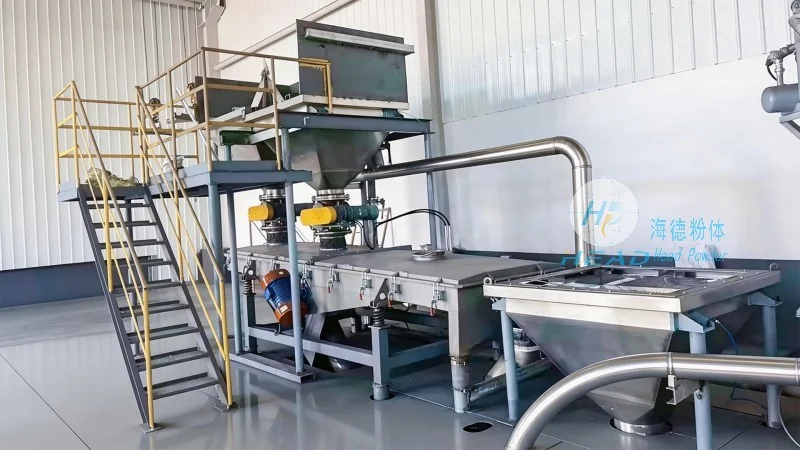
The operation process of solid powder material handling equipment typically begins with material loading into a hopper. The hopper serves as a storage container, allowing for the accumulation of bulk powder before it is transferred to the next stage. Once the material is loaded, the feeder mechanism, often a rotary valve or a vibratory feeder, regulates the flow rate of the powder into the conveyor system. The conveyor, which may be a screw conveyor, belt conveyor, or pneumatic conveyor, then transports the powder to the desired destination, such as a silo, processing unit, or packaging area.
Working Principle of the Equipment
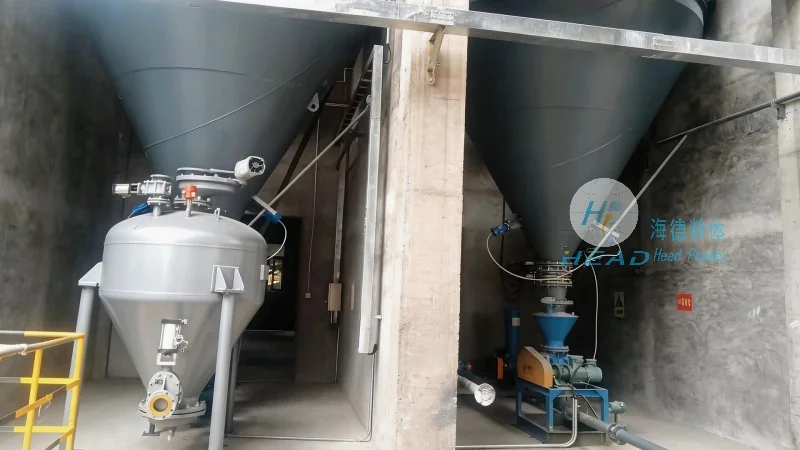
The working principle of solid powder material handling equipment is based on mechanical or pneumatic forces to move the powder. In mechanical systems, components like screws, belts, or rollers create the necessary force to transport the material. For example, a screw conveyor uses rotating screws to push the powder forward, while a belt conveyor relies on the friction between the belt and the material to move it. Pneumatic systems, on the other hand, use compressed air to create a flow of air and powder through pipes, allowing for flexible and dust-free transportation. The control unit, equipped with sensors and a programmable logic controller (PLC), monitors the system's performance and adjusts parameters to maintain optimal operation.
Key Features and Technical Specifications
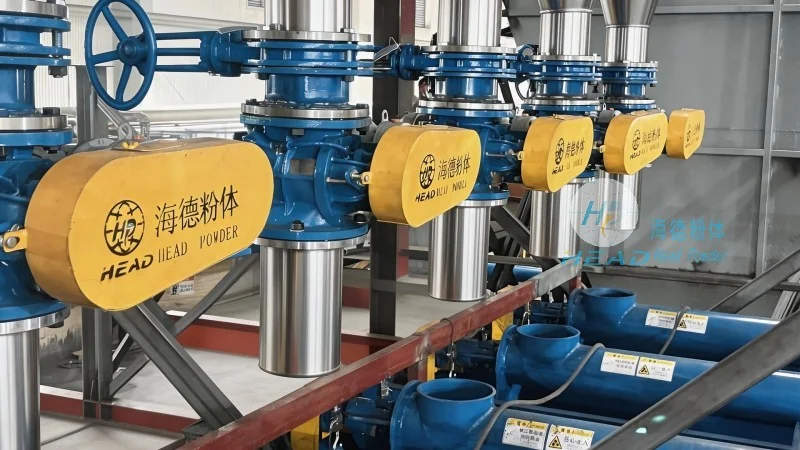
HeadPowder's solid powder handling equipment is designed with several key features to enhance performance and reliability. These include high-capacity hoppers with anti-corrosion coatings, adjustable feeders for precise flow control, and durable conveyor systems capable of handling abrasive materials. Technical specifications vary based on the specific application, but typical systems can handle material capacities ranging from a few tons per hour to several hundred tons per hour, with adjustable speeds and flow rates to meet production demands.
Application Scenarios and Benefits
The solid powder material handling systems from HeadPowder are widely used in various industries. In the construction industry, they are used for transporting cement and other building materials, ensuring consistent supply to construction sites. In the food industry, they handle flour, sugar, and other ingredients, maintaining hygiene and preventing contamination. In the chemical industry, they transport powders like fertilizers and chemicals, ensuring safe and efficient processing. The benefits of these systems include improved production efficiency, reduced labor costs, minimized material loss, and enhanced safety through automated control and monitoring.




