Wet ammonium nitrate (WAN) is a critical raw material in the fertilizer industry, and efficient handling of this material is essential for industrial operations. Air-driven conveying systems have emerged as a reliable method for transporting wet ammonium nitrate, offering advantages such as reduced equipment wear, lower energy consumption, and improved safety compared to traditional mechanical conveying methods. This article provides an overview of the classification of air-driven conveying systems for wet ammonium nitrate and analyzes their practical applications in industrial settings.
Classification of Air-Driven Conveying Systems
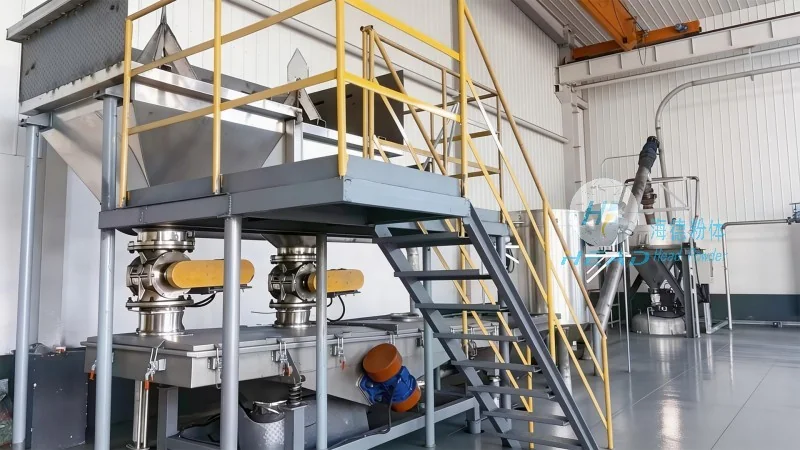
HeadPowder Engineering Co., Ltd., a leading provider of material handling solutions based in Shandong, China, has developed several categories of air-driven conveying systems tailored for wet ammonium nitrate. The primary classifications include positive pressure systems, negative pressure systems, and hybrid systems, each with distinct operational principles and suitability for different process requirements.
Positive pressure systems, also known as pressure blowers or pneumatic conveyors, operate by forcing air or gas through the material to be conveyed. This method is effective for long-distance and high-capacity transport of wet ammonium nitrate, as it can maintain consistent pressure and flow rates. Negative pressure systems, on the other hand, use vacuum pumps to draw material into the conveying line, making them suitable for short-distance or low-volume applications where material is to be collected from multiple points.
Hybrid systems combine elements of both positive and negative pressure operations, offering flexibility in handling varying material conditions and process demands. These systems are particularly useful in complex industrial setups where wet ammonium nitrate needs to be transported through multiple stages or to different destinations. Each classification is designed to optimize performance based on factors such as material moisture content, particle size, and the required conveying distance.
Key Components and Operational Principles
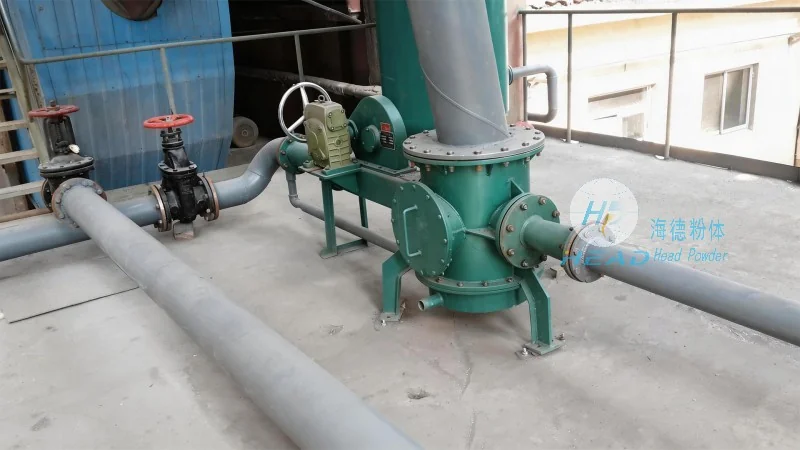
The effectiveness of air-driven conveying systems for wet ammonium nitrate depends on several key components and operational principles. The system typically includes a blower or vacuum pump, conveying lines (often made of corrosion-resistant materials like stainless steel to handle the acidic nature of wet ammonium nitrate), and control valves. The blower provides the necessary air pressure or vacuum to move the material, while the conveying lines ensure the material is transported efficiently without blockages or degradation.
For wet ammonium nitrate, the choice of material for the conveying lines is crucial. Stainless steel is commonly used due to its resistance to corrosion and chemical attack from the material. Additionally, the system may include filters and cyclones to separate the air from the material, ensuring that the conveyed material remains dry and free from contaminants. The control valves allow for precise regulation of the air flow, enabling operators to adjust the conveying rate according to production needs.
Applications in Industrial Settings
HeadPowder Engineering Co., Ltd. has successfully implemented air-driven conveying systems for wet ammonium nitrate in various industrial applications. One common application is in fertilizer production plants, where wet ammonium nitrate is transported from storage silos to processing units or packaging lines. The systems are designed to handle large volumes of material with minimal downtime, ensuring smooth production flow.
In addition, these systems are used in chemical processing facilities where wet ammonium nitrate is a precursor for other chemical products. The ability to transport the material over long distances without the need for mechanical components reduces maintenance costs and improves overall operational efficiency. Another application is in agricultural supply chains, where wet ammonium nitrate is delivered to farms or distribution centers. The systems are adapted to handle varying moisture levels and particle sizes, ensuring reliable delivery even in challenging environmental conditions.
Advantages and Considerations
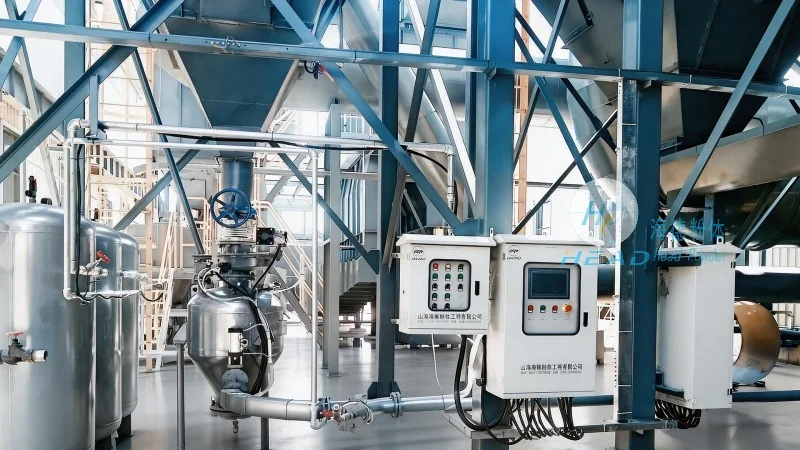
Using air-driven conveying systems for wet ammonium nitrate offers several advantages over traditional methods. The primary benefit is the reduction in equipment wear and tear, as there are no moving parts in direct contact with the material. This leads to lower maintenance costs and longer equipment lifespan. Additionally, the systems are energy-efficient, as they use compressed air or vacuum to transport material, which can be generated from existing plant infrastructure.
However, there are also considerations to keep in mind when implementing these systems. The moisture content of wet ammonium nitrate can affect the conveying efficiency, as higher moisture levels may lead to increased air resistance and reduced flow rates. Proper system design and maintenance are essential to ensure optimal performance. Furthermore, the system must be equipped with appropriate safety features, such as explosion-proof components, to handle the potentially hazardous nature of wet ammonium nitrate.
Conclusion
HeadPowder Engineering Co., Ltd. provides comprehensive air-driven conveying solutions for wet ammonium nitrate, catering to diverse industrial needs. By classifying systems based on operational principles and carefully selecting components, the company ensures efficient and reliable transport of wet ammonium nitrate. The applications in fertilizer production, chemical processing, and agricultural supply chains demonstrate the versatility and effectiveness of these systems. As the demand for efficient material handling in the fertilizer industry continues to grow, air-driven conveying systems remain a key technology for optimizing production processes and reducing operational costs.




