Shandong HeadPowder Engineering Co., Ltd., commonly known as headpowder, specializes in the design and manufacturing of advanced material handling systems tailored for the soybean protein powder industry. Based in Shandong, China, the company leverages years of expertise to deliver efficient and reliable equipment that ensures seamless material transport and processing. This article delves into the operational process and underlying working principles of the soybean protein powder material handling system, highlighting key components and their functions.
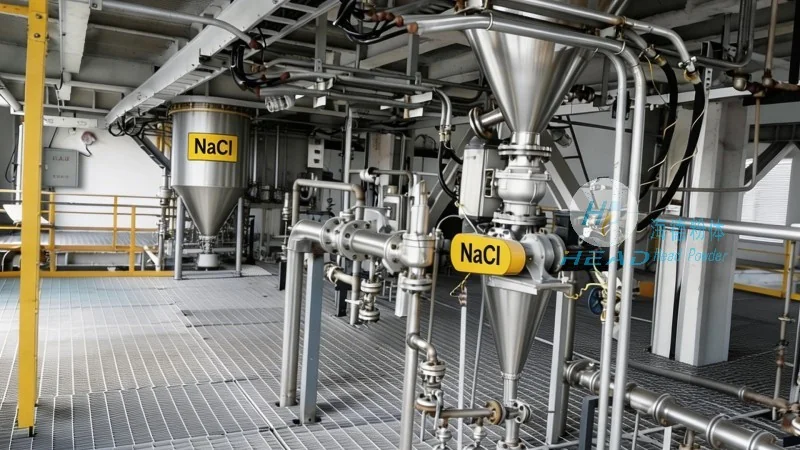
Key Components of the Material Handling System
The soybean protein powder material handling system typically comprises several critical components that work in tandem to facilitate smooth material flow. These include hoppers for initial material storage, conveyor belts or screw conveyors for horizontal and vertical transport, pneumatic systems for dust control and air filtration, and control panels for automated operation. Each component is meticulously engineered to handle the unique properties of soybean protein powder, such as its fine particle size and potential for static electricity, ensuring minimal product loss and contamination.
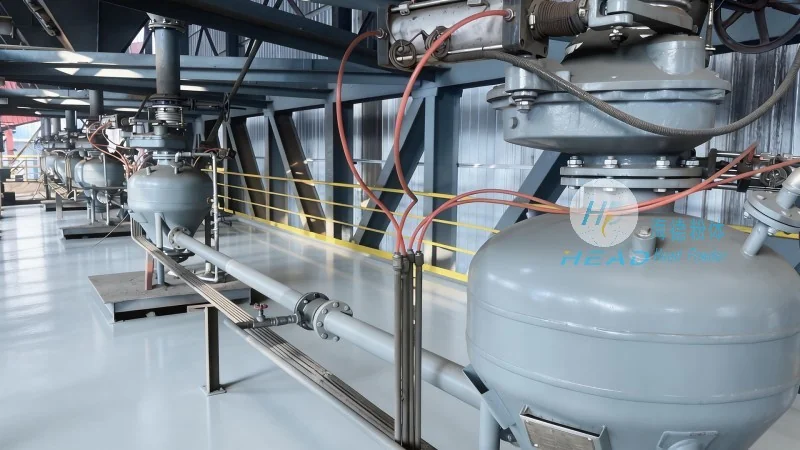
Operation Process: From Raw Material to Finished Product
The operational process of the soybean protein powder material handling system begins with the loading of raw soybeans or soybean meal into the primary hopper. The material is then fed into a pre-processing unit, where it undergoes cleaning and dehulling to remove impurities. This step is critical as it ensures that only high-quality soybeans are processed, reducing the risk of contaminants entering the final product. The cleaned and dehulled material is then transferred to a grinding or milling section, where it is reduced to the desired protein powder particle size. The grinding process utilizes high-speed rotating blades or rollers to break down the soybean particles into fine powder, which is then collected in a storage silo. From the silo, the protein powder is transported to the packaging or further processing stages via conveyor systems. Throughout this process, the system incorporates advanced sensors and controls to monitor flow rates, pressure, and temperature, ensuring optimal performance and product quality. For instance, flow sensors detect the rate of material movement, while pressure sensors maintain consistent air pressure in pneumatic lines, preventing blockages and ensuring smooth operation.
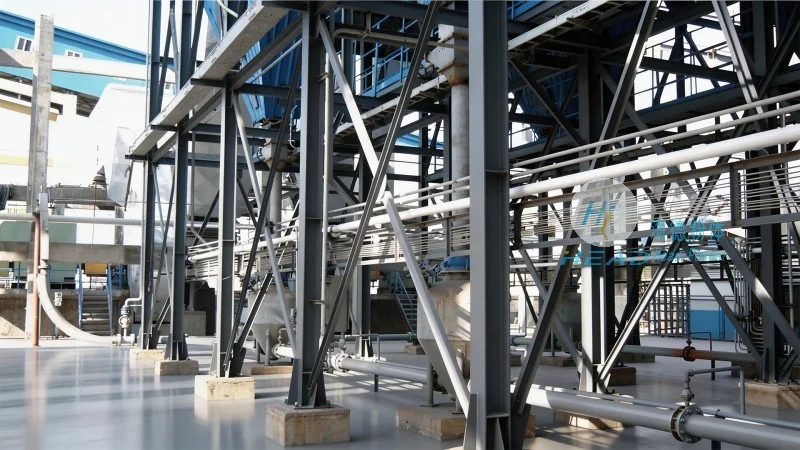
Working Principle: Mechanical and Pneumatic Integration
The working principle of the soybean protein powder material handling system combines mechanical and pneumatic technologies to achieve efficient material transport. Mechanical components, such as conveyor belts and screw conveyors, utilize gravity and motor-driven rotation to move material horizontally and vertically. These systems are designed with smooth, non-stick surfaces and minimal friction to prevent powder buildup and clogging, which are common issues in handling fine powders. The conveyor belts are typically made of food-grade materials, ensuring that the protein powder remains free from contaminants. Screw conveyors, on the other hand, use rotating screws to push material through pipes, making them ideal for vertical lifts and compact installations. Pneumatic systems, on the other hand, employ air pressure to transport material through pipelines, often in conjunction with mechanical components to handle larger volumes or vertical lifts. The system uses air compressors to generate the necessary pressure, and air filters to remove moisture and particulates from the air, ensuring clean air for material transport. The integration of these technologies allows for a flexible and robust system capable of handling varying production demands while maintaining high efficiency and product integrity. For example, in a typical production line, the mechanical conveyor transports material from the grinding section to the storage silo, while the pneumatic system is used to transfer material from the silo to the packaging machine, reducing the need for manual handling and improving overall efficiency.
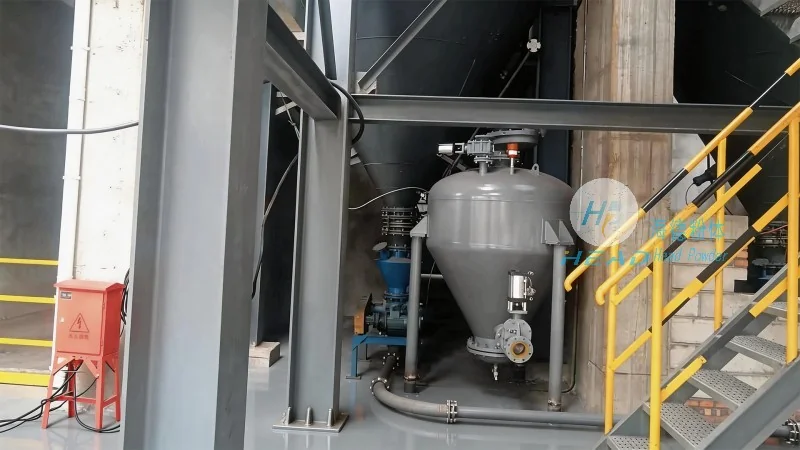
Advantages of the System in Soybean Protein Powder Production
The soybean protein powder material handling system offers several advantages that enhance operational efficiency and product quality. Firstly, the automated control system minimizes human intervention, reducing the risk of errors and improving consistency in product output. Secondly, the system’s design minimizes material loss and contamination, which is crucial for maintaining the high purity standards required in the food and feed industries. Additionally, the modular construction allows for easy maintenance and scalability, enabling manufacturers to adapt the system to changing production needs without significant downtime. By leveraging advanced engineering and material handling technologies, Shandong HeadPowder Engineering Co., Ltd. provides a reliable solution that meets the demands of modern soybean protein powder production. The system’s ability to handle fine powders with minimal dust generation also contributes to a safer working environment, reducing the risk of respiratory issues among operators. Furthermore, the energy-efficient design of the equipment helps lower operational costs, making it a cost-effective choice for businesses in the soybean protein powder sector.




