HeadPowder, a leading engineering firm based in Shandong, China, specializes in the design, manufacturing, and implementation of advanced pneumatic conveying systems tailored for handling nitrile rubber and other industrial materials. This article provides a comprehensive classification of these systems and an analysis of their practical applications in various industrial sectors.
Introduction to Nitrile Rubber Pneumatic Conveying Systems
Nitrile rubber, also known as NBR, is a synthetic rubber widely used in the production of seals, gaskets, and other components due to its excellent resistance to oil, fuel, and chemicals. Pneumatic conveying systems offer an efficient and reliable method for transporting nitrile rubber powder or granules from storage to processing units, ensuring minimal material degradation and maintaining product quality. The classification of these systems is primarily based on the pressure differential between the conveying line and the ambient environment, with two main categories: positive pressure and negative pressure systems.
Classification of Nitrile Rubber Pneumatic Conveying Systems
1. **Positive Pressure Pneumatic Conveying Systems**: In this system, the conveying line is maintained at a pressure higher than the ambient air pressure. The material is transported by the force of compressed air or gas, which is introduced at the material inlet and travels along the pipeline. This type of system is suitable for long-distance and high-capacity conveying of nitrile rubber, as it can handle larger particles and resist blockages more effectively. The positive pressure system is commonly used in industrial settings where the material needs to be transported over significant distances or through complex piping networks.
2. **Negative Pressure (Vacuum) Pneumatic Conveying Systems**: Conversely, negative pressure systems operate by creating a vacuum in the conveying line, drawing the material from the source into the pipeline using suction. The material is then transported to the destination by the pressure difference between the inlet and the outlet. This system is ideal for applications requiring gentle handling of nitrile rubber, as it minimizes particle breakage and is often used for short to medium distance conveying. Negative pressure systems are particularly suitable for handling fine powders or granules where product integrity is critical.
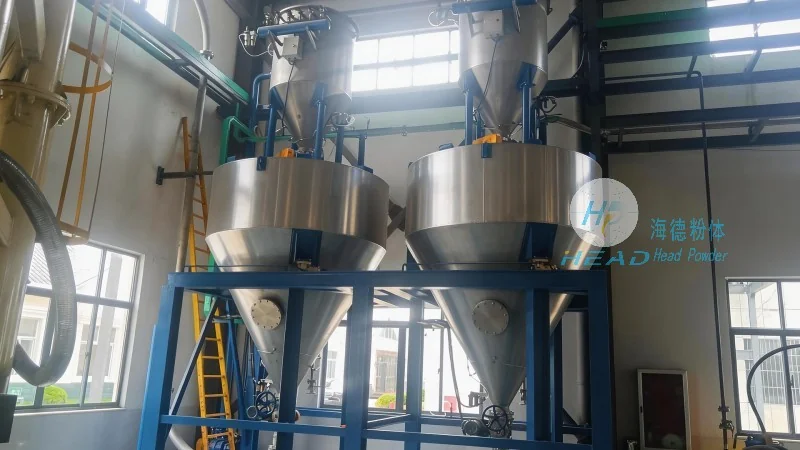
3. **Combined (Positive and Negative Pressure) Systems**: Some advanced pneumatic conveying systems combine elements of both positive and negative pressure operations. These hybrid systems may use positive pressure at the inlet to feed material into the pipeline and negative pressure at the outlet to draw it through the system, optimizing performance for specific applications. The combination allows for flexibility in handling different material types and conveying distances, making them suitable for complex industrial processes.
Key Components and Working Principles
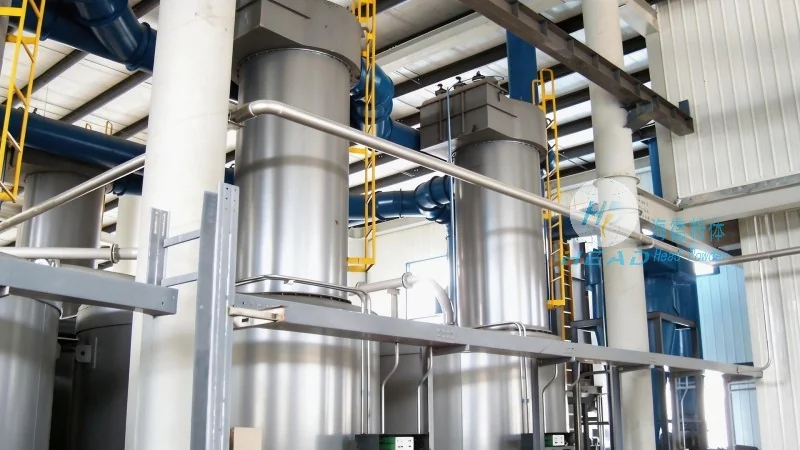
Regardless of the classification, nitrile rubber pneumatic conveying systems typically consist of several core components: a material feed hopper, a conveying line (usually made of stainless steel or other corrosion-resistant materials to withstand the chemical properties of nitrile rubber), a blower or compressor for air supply, a control system for pressure regulation, and a discharge unit at the receiving end. The material is fed into the system from the hopper, where it is mixed with the air stream and conveyed through the pipeline. The control system ensures consistent air pressure and flow rate, preventing system inefficiencies or material blockages.
Applications in Industrial Sectors
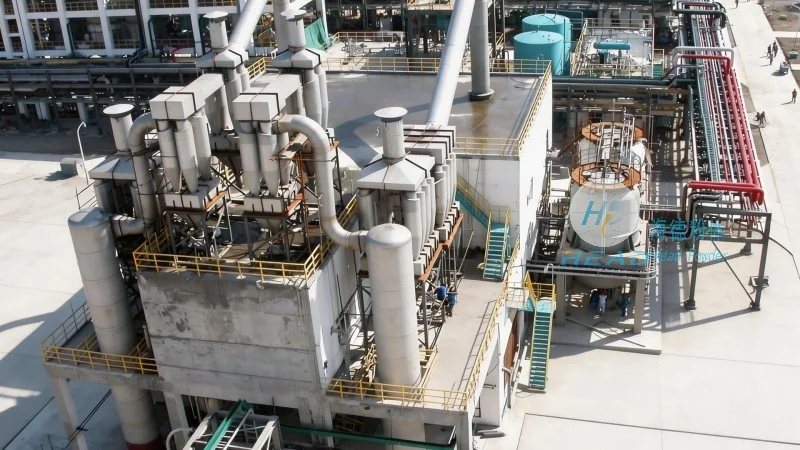
The versatility of nitrile rubber pneumatic conveying systems makes them applicable across multiple industries. In the automotive industry, these systems are used to transport nitrile rubber components to molding and assembly lines, ensuring a steady supply of raw materials for the production of seals and gaskets. The chemical industry utilizes them for handling nitrile rubber powders in the manufacturing of adhesives and coatings, where precise material control is essential. Additionally, in the manufacturing of rubber products, such as hoses and belts, pneumatic conveying systems facilitate the efficient transfer of nitrile rubber granules from storage to extrusion or molding equipment.
In the food and pharmaceutical industries, where material purity is paramount, negative pressure systems are preferred to prevent contamination and maintain product integrity. The gentle handling of nitrile rubber in these systems ensures that the material remains free from dust and contaminants, meeting stringent quality standards. The systems are also used in the recycling industry to transport reclaimed nitrile rubber from sorting facilities to reprocessing plants, contributing to sustainable material management.
Advantages and Considerations
Positive pressure pneumatic conveying systems offer several advantages, including high conveying capacity, the ability to handle abrasive materials, and resistance to system blockages. However, they require more robust equipment and higher energy consumption due to the need for compressed air. Negative pressure systems, while gentler on materials, may be less efficient for long-distance conveying and can be more susceptible to blockages if not properly maintained. The choice between the two depends on the specific application requirements, material characteristics, and operational constraints.
When selecting a nitrile rubber pneumatic conveying system, factors such as material properties (e.g., particle size, moisture content), conveying distance, and required throughput must be considered. The system must also be designed to handle the potential for material buildup or corrosion, as nitrile rubber can be chemically reactive with certain surfaces. Proper maintenance, including regular cleaning and inspection of components, is crucial to ensure the longevity and efficiency of the system.
Conclusion
Nitrile rubber pneumatic conveying systems provide an efficient and reliable solution for transporting this critical industrial material. By understanding the classification and application of these systems, industries can optimize their material handling processes, improve productivity, and maintain product quality. HeadPowder, with its expertise in engineering and manufacturing, offers tailored solutions that meet the specific needs of clients, ensuring the successful implementation of pneumatic conveying systems in various industrial applications.




