Barite, a mineral composed primarily of barium sulfate (BaSO₄), is widely used in various industrial applications such as drilling fluids, pigments, and radiological shielding. The efficient and reliable transportation of barite from storage to processing units is crucial for maintaining production efficiency and product quality. Pneumatic conveying systems have emerged as a preferred method for handling barite due to their ability to transport dry powders over long distances without the need for mechanical components that can cause contamination or wear. This article provides a comprehensive classification of barite pneumatic conveying systems and analyzes their practical applications in industrial settings.
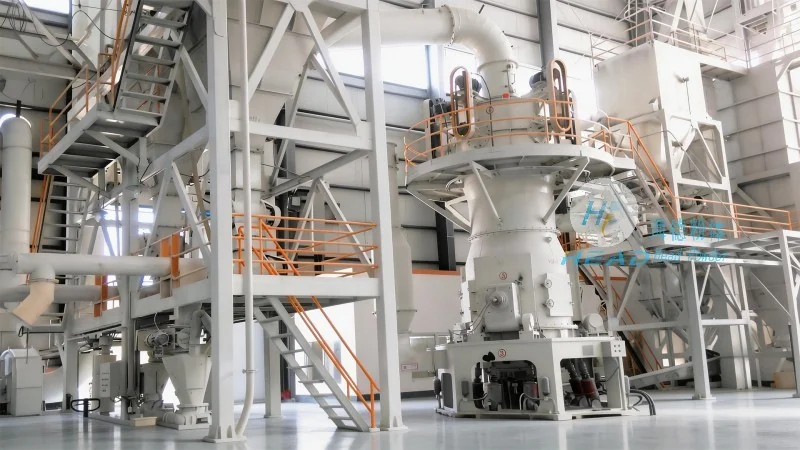
Classification of Barite Pneumatic Conveying Systems
Barite pneumatic conveying systems can be broadly classified into two main categories based on the direction of material flow and the pressure differential used: positive pressure systems and negative pressure (or vacuum) systems. Each type has distinct characteristics and is suitable for different operational requirements.
Positive pressure systems operate by blowing air or other gases into the conveying line, creating a pressure higher than the ambient air pressure. This method is commonly used for short to medium distance conveying and is particularly effective for handling fine powders like barite. The primary advantages of positive pressure systems include high conveying capacity, ability to handle abrasive materials, and lower maintenance requirements compared to vacuum systems. However, they may require more energy and can be less suitable for long-distance applications due to pressure drop limitations.
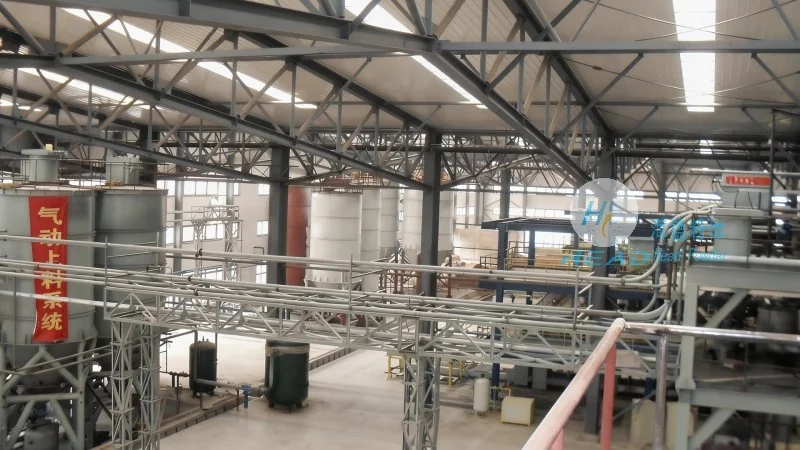
Negative pressure (vacuum) systems, on the other hand, create a vacuum in the conveying line by extracting air from the system. This approach is ideal for applications where the material needs to be transported from a source to a destination that is at a lower elevation or requires a cleaner environment. Vacuum systems are often used for conveying materials in food, pharmaceutical, and chemical industries where contamination control is critical. The main benefits of vacuum systems include lower energy consumption for short distances, better control over dust emissions, and suitability for handling sensitive materials. Nevertheless, they may have lower conveying capacities and are more prone to clogging in the suction line.
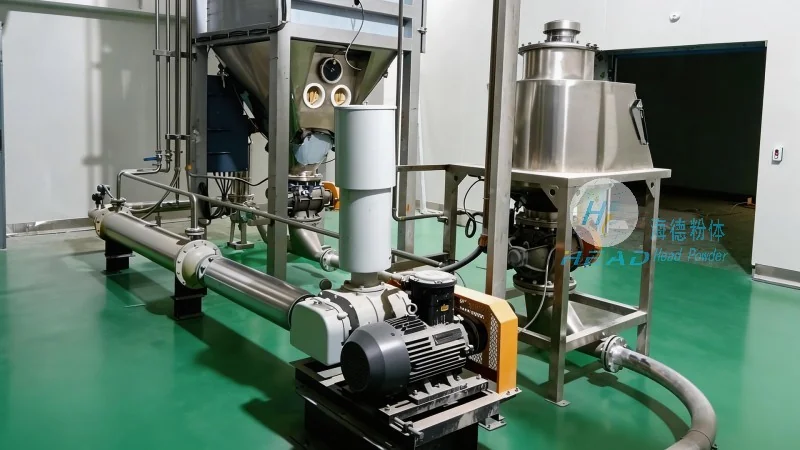
Within these main categories, barite pneumatic conveying systems can be further subdivided based on the type of air flow and the design of the conveying line. For instance, dilute phase systems use high-velocity air to transport particles in a dispersed state, while dense phase systems use lower velocities to move material in a slurry-like state. Dilute phase systems are typically used for high-capacity, long-distance conveying, while dense phase systems are preferred for low-capacity, short-distance applications where product integrity is paramount.
Key Components of Barite Pneumatic Conveying Systems
Regardless of the classification, all barite pneumatic conveying systems consist of several essential components that work in tandem to ensure efficient operation. These components include the material feed hopper, the conveying line (typically made of stainless steel or durable plastic to prevent corrosion and contamination), the air or gas source (such as a blower or vacuum pump), and the discharge equipment (e.g., rotary valves or airlocks). The material feed hopper is designed to store and feed the barite into the system at a controlled rate, preventing blockages and ensuring consistent flow. The conveying line is equipped with bends, elbows, and straight sections to guide the material and maintain the desired air flow. The air source provides the necessary pressure or vacuum to move the material, and the discharge equipment regulates the release of the barite at the destination point, preventing backflow and maintaining system pressure. Shandong HeadPowder Engineering Co., Ltd. specializes in designing these components to meet the specific requirements of each barite handling application, ensuring optimal performance and durability.




