HeadPowder, a leading provider in the field of material handling solutions, specializes in the design and manufacturing of advanced pneumatic conveying systems tailored for the chocolate industry. This article delves into the fundamental principles of chocolate material pneumatic conveying lines and highlights the key characteristics of their operational environments.
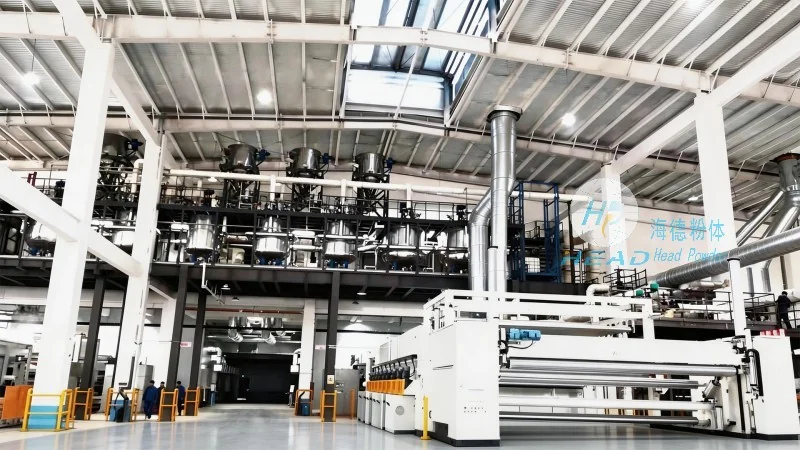
Introduction to Chocolate Material Pneumatic Conveying Systems
Chocolate material pneumatic conveying lines are sophisticated systems engineered to transport chocolate powders, granules, and other related ingredients efficiently and hygienically within food processing facilities. These systems leverage the principles of air flow to move materials from one location to another, eliminating the need for mechanical components that might come into direct contact with the product, thus maintaining strict sanitary standards essential for food production.
The Core Principle of Pneumatic Conveying in Chocolate Processing
The fundamental principle behind chocolate material pneumatic conveying lines is the use of compressed air or other gases to create a flow that propels the chocolate particles through a pipeline. This method, known as pneumatic conveying, operates by generating a pressure differential that draws the material into the conveying line. The system typically consists of a hopper for material storage, a conveyor line with appropriate ductwork, and a receiver for the discharged product. The air flow is controlled to ensure that the chocolate particles are carried without causing excessive wear or degradation, which is critical for maintaining product quality and consistency.
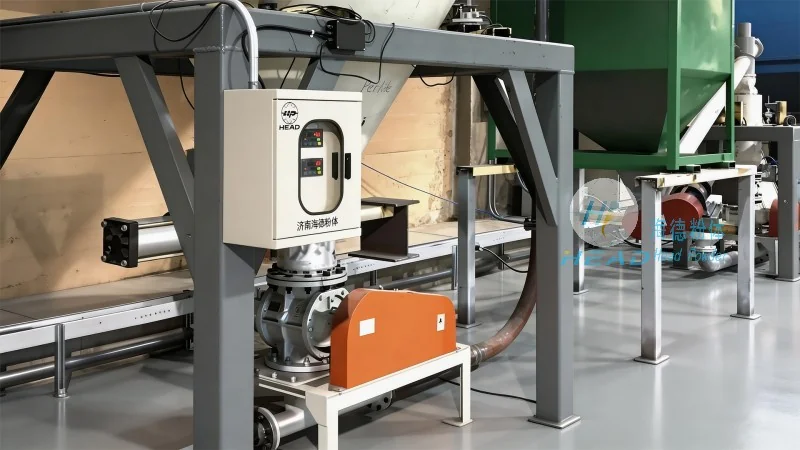
Key Working Scene Characteristics of Chocolate Pneumatic Conveying Lines
The operational environment of chocolate material pneumatic conveying lines is characterized by several distinct features that influence their design and performance. Firstly, the hygienic requirements in food processing dictate that all components of the system must be easy to clean and resistant to contamination. Materials such as stainless steel are commonly used for the construction of hoppers, ducts, and receivers to meet these standards. Secondly, the system must be capable of handling a wide range of chocolate products, from fine powders to larger granules, without clogging or damaging the material. This versatility is achieved through the use of different conveying modes, such as dilute phase and dense phase, which can be adjusted based on the specific characteristics of the chocolate being transported.
Advantages of Pneumatic Conveying in Chocolate Production
Implementing chocolate material pneumatic conveying lines offers several advantages over traditional mechanical conveying methods. One of the primary benefits is the ability to maintain a closed system, which minimizes product exposure to external contaminants and reduces the risk of cross-contamination between different ingredients. This is particularly important in chocolate production where flavor and texture consistency are paramount. Additionally, pneumatic conveying systems can be integrated seamlessly into existing production lines, allowing for flexible and scalable operations. The systems also offer energy efficiency compared to some mechanical alternatives, as they require less maintenance and can operate with lower power consumption.
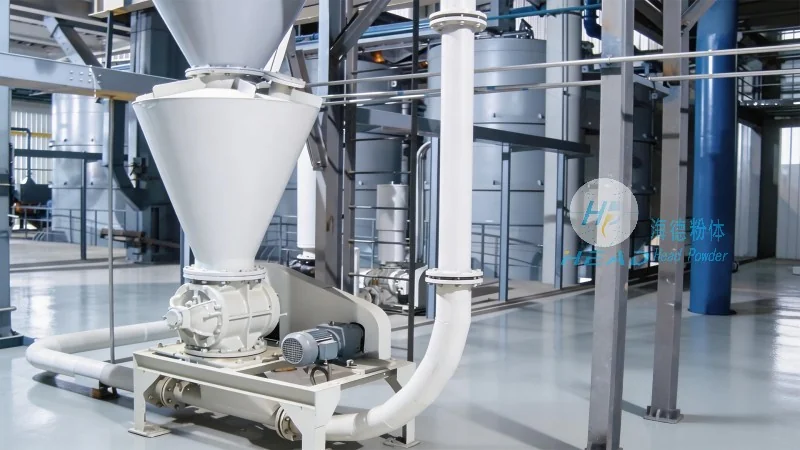
Application Scenarios in Chocolate Manufacturing
Chocolate material pneumatic conveying lines are widely used in various stages of chocolate manufacturing. For instance, they are employed to transport cocoa powder from storage silos to mixing and processing areas, ensuring a consistent supply of raw material. In the production of chocolate bars, these systems can convey chocolate coatings from storage tanks to molding machines, maintaining the temperature and quality of the product throughout the process. Furthermore, in the production of chocolate-based confections, pneumatic conveying lines are used to move ingredients like nuts, dried fruits, or flavorings into the mixing equipment, allowing for precise and uniform incorporation.
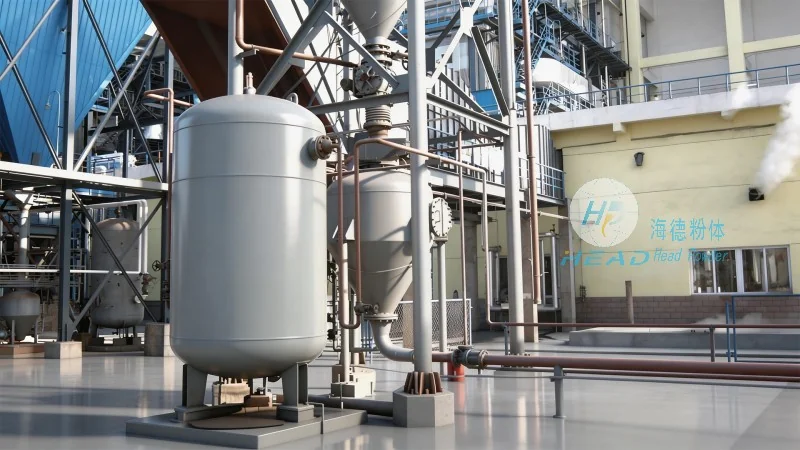
Design Considerations for Optimal Performance
The effectiveness of chocolate material pneumatic conveying lines depends heavily on proper design and configuration. Engineers at Shandong HeadPowder Engineering Co., Ltd. consider factors such as the particle size distribution, moisture content, and density of the chocolate material when designing the system. The selection of the appropriate conveying mode—dilute phase, where particles are suspended in air, or dense phase, where particles are compacted into a slurry—depends on these characteristics. Additionally, the system's layout, including the number and placement of bends, valves, and filters, is optimized to minimize pressure drop and prevent material buildup. Regular maintenance, including cleaning and inspection of components, is also crucial to ensure long-term reliability and performance.
Conclusion
Chocolate material pneumatic conveying lines represent a sophisticated solution for the efficient and hygienic transport of chocolate products in food processing facilities. By leveraging the principles of pneumatic conveying, these systems offer advantages such as maintaining sanitary conditions, handling diverse product types, and enhancing operational flexibility. As a leading manufacturer in this field, Shandong HeadPowder Engineering Co., Ltd. continues to innovate and provide tailored solutions that meet the evolving needs of the chocolate industry, ensuring high-quality production and compliance with industry standards.




