For industries dealing with grain and bulk particle materials, efficient material handling is crucial for operational efficiency and productivity. Pneumatic conveying systems have emerged as a sophisticated solution, offering a range of benefits from reduced labor costs to enhanced safety in material transport. This article delves into the fundamental principles of pneumatic conveying lines and explores the distinct characteristics of their working scenarios, providing insights into how these systems optimize material handling processes.
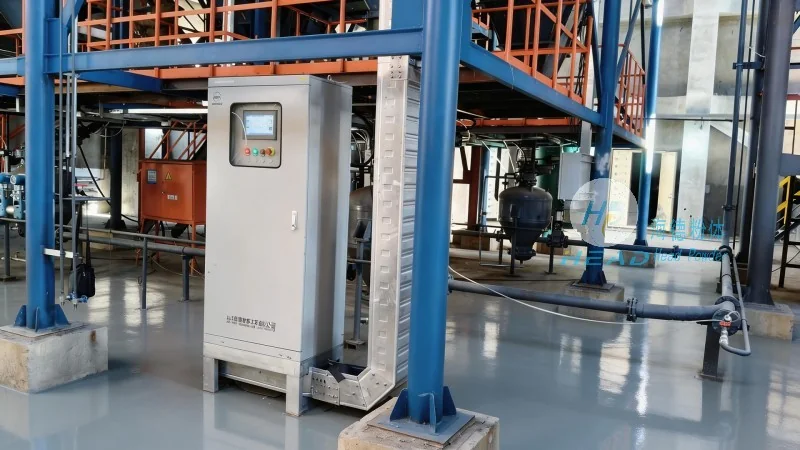
Understanding the Core Principles of Pneumatic Conveying Systems
Pneumatic conveying systems operate by transporting bulk materials through a pipeline using a gas stream, typically air. The fundamental principle involves creating a pressure differential that propels the material from the source to the destination. There are two primary types of pneumatic conveying: pressure and vacuum systems. Pressure systems use compressed air to push material through the pipeline, while vacuum systems create a negative pressure to draw material into the system. The choice between these systems depends on factors such as material characteristics, distance, and the need for dust control. In the context of grain and bulk particle materials, pressure systems are often preferred due to their ability to handle a wide range of particle sizes and densities, ensuring consistent and reliable transport.
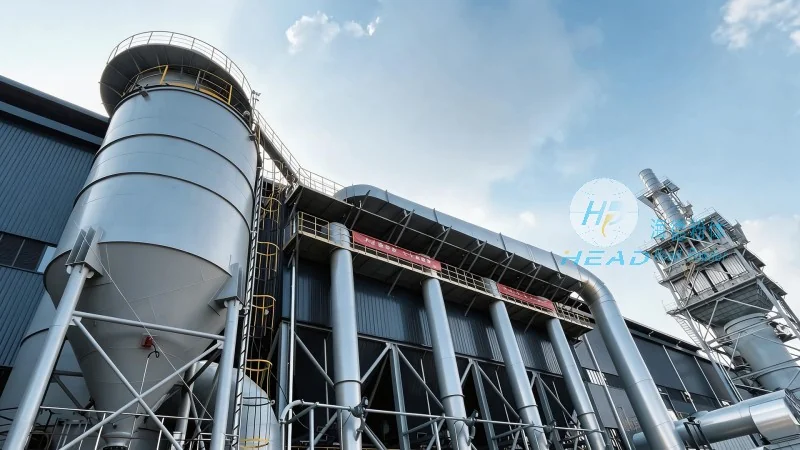
Key Working Scene Characteristics of Pneumatic Conveying Lines
The working scenarios of pneumatic conveying systems for grain and bulk particles are defined by several critical characteristics that impact their performance and suitability. One of the most significant aspects is the system's ability to handle diverse material types, including grains like wheat, corn, and rice, as well as other bulk materials such as powders, pellets, and granules. This versatility makes pneumatic conveying lines adaptable to various industrial applications, from agricultural processing to food and chemical manufacturing. Another key characteristic is the system's efficiency in terms of energy consumption and operational costs. By eliminating the need for mechanical components like conveyor belts or buckets, pneumatic systems reduce maintenance requirements and lower long-term operational expenses. Additionally, these systems offer superior dust control, which is essential for maintaining air quality and ensuring compliance with environmental regulations. The ability to transport materials in a closed system also minimizes product contamination, preserving the quality of sensitive grain products.
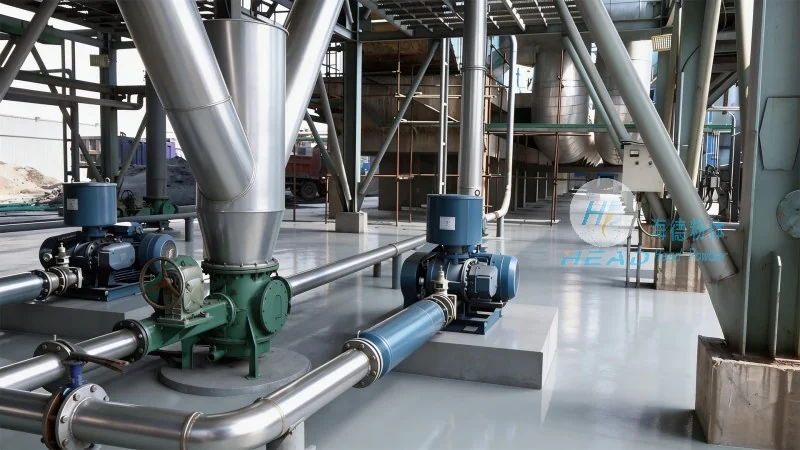
Application Scenarios and Operational Benefits
The working scene characteristics of pneumatic conveying lines extend to their practical applications across different industries. In agricultural processing facilities, these systems are commonly used for transferring harvested grains from storage silos to processing units or for moving raw materials between different stages of production. The gentle handling of the material ensures minimal breakage and loss, which is vital for maintaining product quality. In the food and beverage industry, pneumatic conveying lines are employed to transport ingredients like flour, sugar, and spices, where hygiene and product purity are paramount. The closed system design prevents cross-contamination and maintains sanitary conditions, aligning with industry standards. Similarly, in chemical and pharmaceutical industries, these systems handle bulk powders and granules, where precise control over material flow and dust management is critical. The ability to integrate with existing production lines and adapt to varying production volumes makes pneumatic conveying lines a flexible solution for diverse operational needs.
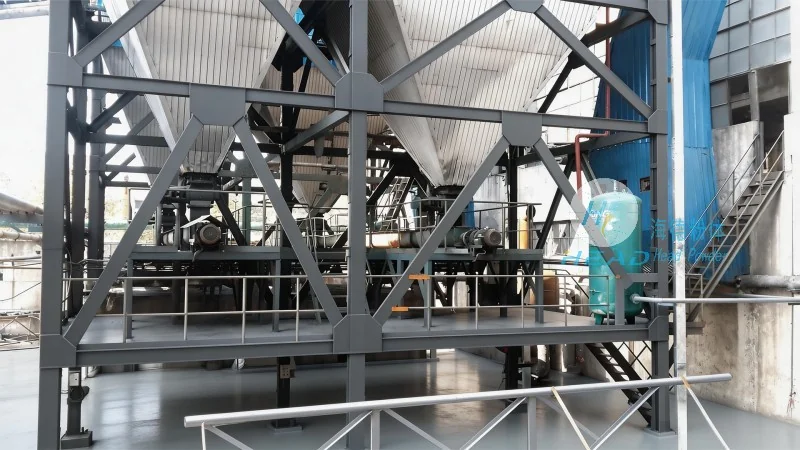
Company Profile: Shandong HeadPowder Engineering Co., Ltd.
As a leading provider of pneumatic conveying solutions, Shandong HeadPowder Engineering Co., Ltd. specializes in designing, manufacturing, and installing advanced material handling systems tailored to the needs of industries dealing with grain and bulk particle materials. With a focus on innovation and customer-centric solutions, the company has established itself as a trusted partner in optimizing material transport processes. HeadPowder's expertise lies in developing customized pneumatic conveying systems that meet specific operational requirements, ensuring efficiency, reliability, and compliance with industry standards. The company's commitment to quality and sustainability is reflected in its use of advanced technologies and adherence to environmental regulations. HeadPowder's facilities are located in Shandong, China, where the company leverages local resources and expertise to deliver high-quality products and services to clients worldwide.




