For industries dealing with bulk powder materials, efficient and reliable material handling is crucial. Among the various technologies available, pneumatic conveying systems have emerged as a preferred solution for transporting materials like potassium chloride. This article delves into the specifics of a potassium chloride pneumatic conveying equipment, exploring its structure, working principles, and the key components that make it an effective solution for powder transport. The information presented here is provided by Shandong HeadPowder Engineering Co., Ltd., a leading manufacturer based in China, with operations centered in Shandong Province.
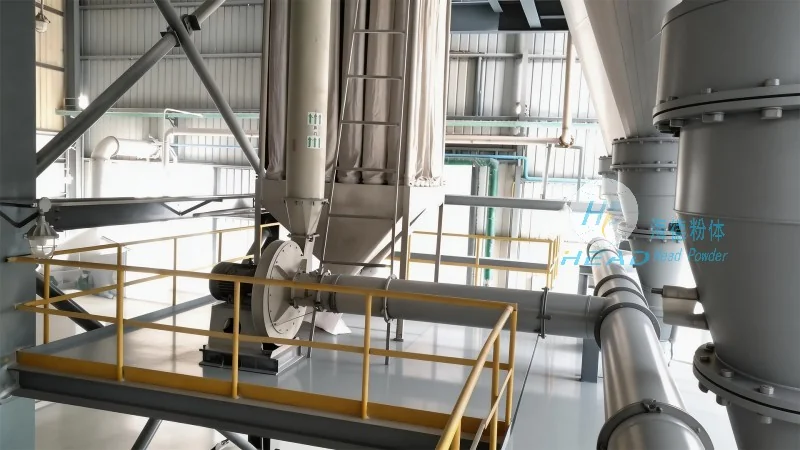
Understanding Pneumatic Conveying Systems for Potassium Chloride
Potassium chloride, a common chemical compound used in agriculture and industry, requires specialized handling due to its granular or powdery nature. Traditional methods such as belt conveyors or bucket elevators may not be suitable for fine powders, as they can lead to material degradation, dust issues, or inefficiencies. Pneumatic conveying, on the other hand, offers a closed-loop system that minimizes dust exposure and ensures gentle handling of the material. This method uses air or gas to transport the powder through a pipeline, making it ideal for applications where hygiene, cleanliness, and product integrity are paramount.
Key Components of a Potassium Chloride Pneumatic Conveying System
The effectiveness of a pneumatic conveying system for potassium chloride depends on several critical components that work in harmony to ensure smooth operation. These components include:
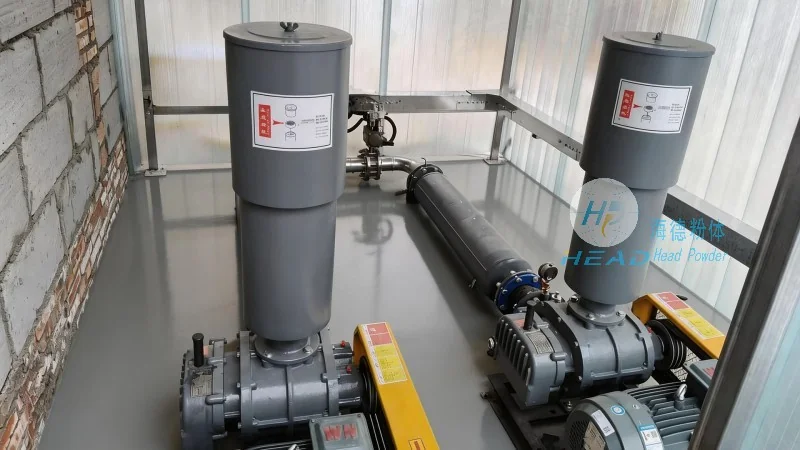
- Conveying Hopper: The hopper serves as the storage and feeding unit, where the potassium chloride is loaded before being introduced into the system. It is designed to maintain a consistent flow of material, preventing blockages and ensuring a steady supply to the conveyor line.
- Feeder: The feeder is responsible for controlling the flow rate of the potassium chloride from the hopper. It can be a rotary valve, a screw feeder, or a vibratory feeder, depending on the system requirements. Proper control of the feed rate is essential to maintain the desired conveying velocity and prevent overloading the system.
- Conveying Pipe: The pipeline is the main channel through which the potassium chloride is transported. It is typically made of stainless steel or other corrosion-resistant materials to withstand the chemical properties of potassium chloride and ensure durability. The pipe is designed with appropriate bends and fittings to guide the material smoothly to the destination.
- Air or Gas Source: A compressor or blower provides the necessary air or gas pressure to move the powder through the pipeline. The pressure level is carefully selected based on the material's characteristics, such as particle size, density, and moisture content, to achieve optimal conveying efficiency.
- Receiver: The receiver is the final destination where the transported potassium chloride is deposited. It may be a storage silo, a processing unit, or a discharge point. The receiver is designed to handle the incoming material without causing spillage or contamination.
- Control System: The control system monitors and regulates the operation of the entire pneumatic conveying system. It includes sensors to measure pressure, flow rate, and material level, as well as control valves to adjust the air flow and feed rate as needed. This ensures the system operates within safe and efficient parameters.
Working Principle of the Pneumatic Conveying Equipment
The operation of a potassium chloride pneumatic conveying system follows a simple yet effective principle: the material is suspended in a stream of air or gas and carried through the pipeline to the receiver. The process can be broken down into several stages:
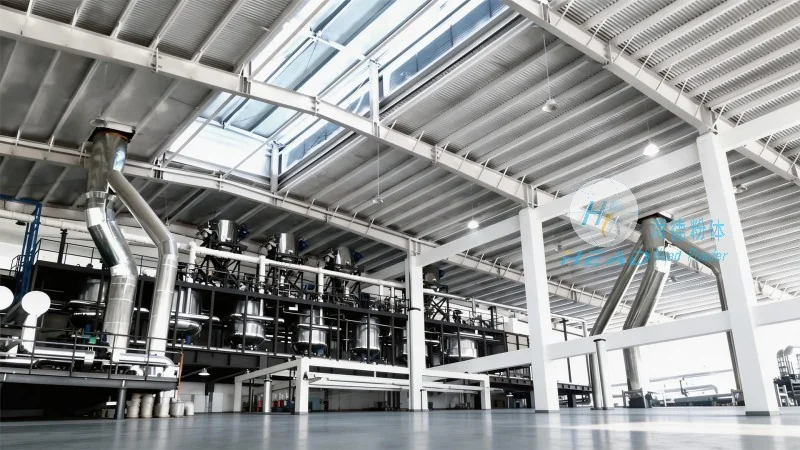
- Material Loading: Potassium chloride is loaded into the conveying hopper from a bulk storage or processing area. The hopper is equipped with a lid and a discharge valve to control the material flow.
- Feeding and Air Injection: The feeder regulates the amount of potassium chloride released into the conveying pipe. Simultaneously, the air compressor supplies compressed air into the pipe, creating a high-velocity air stream. The powder particles are then entrained by the air flow, forming a dense or dilute phase mixture depending on the system design.
- Pipeline Transport: The mixture of potassium chloride and air travels through the pipeline, guided by bends and fittings. The air pressure maintains the material in suspension, preventing it from settling or clogging the pipe.
- Deposition at Receiver: Upon reaching the receiver, the air and powder mixture is separated. The air is typically vented to the atmosphere or recirculated, while the potassium chloride is collected in the receiver. The control system ensures that the material is discharged smoothly and without spillage.
Advantages of Using Pneumatic Conveying for Potassium Chloride
Implementing a pneumatic conveying system for potassium chloride offers several advantages over traditional material handling methods:
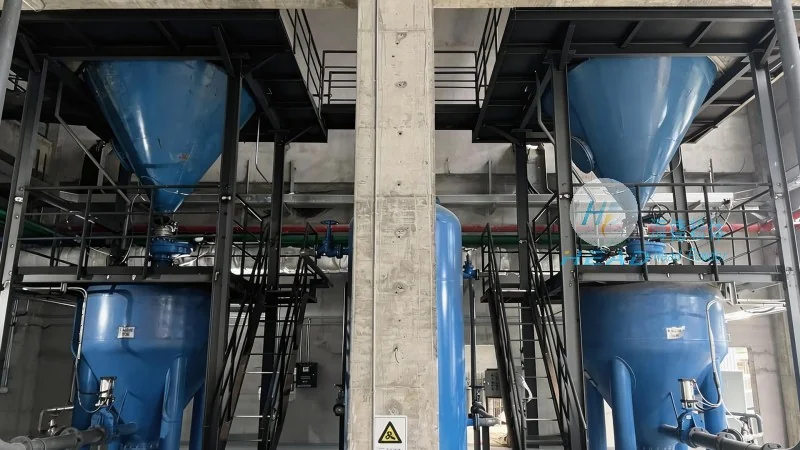
- Minimal Dust Exposure: The closed-loop system prevents dust from escaping into the environment, reducing health hazards and maintaining a clean working environment.
- Gentle Material Handling: The air flow suspends the powder particles, minimizing abrasion and degradation, which is particularly important for fine powders like potassium chloride.
- Space Efficiency: Pneumatic conveying systems can be installed in compact spaces, as the pipeline can be routed vertically or horizontally with minimal footprint.
- Versatility: The system can handle various particle sizes and moisture contents, making it adaptable to different production requirements.
- Cost-Effective: Over time, the reduced maintenance costs and increased efficiency of pneumatic conveying can lead to significant savings compared to other methods.
Applications of Potassium Chloride Pneumatic Conveying Equipment
The versatility of potassium chloride pneumatic conveying equipment makes it suitable for a wide range of applications across different industries:
- Agricultural Fertilizer Production: In fertilizer plants, potassium chloride is used as a raw material. The pneumatic conveying system efficiently transports it from storage silos to processing units, ensuring a continuous supply of material for production.
- Chemical Manufacturing: In chemical plants, potassium chloride is used in the production of various compounds. The system helps in transporting the material between different processing stages, maintaining product purity and reducing contamination risks.
- Food Processing: Although less common, some food products may incorporate potassium chloride as a flavor enhancer or preservative. The system ensures that the powder is handled hygienically and without cross-contamination.
- Pharmaceutical Industry: In pharmaceutical manufacturing, the purity of raw materials is critical. The closed-loop pneumatic conveying system helps maintain the quality of potassium chloride, preventing contamination and ensuring compliance with regulatory standards.
Conclusion
As industries continue to seek efficient and safe methods for handling bulk powder materials, the potassium chloride pneumatic conveying equipment stands out as a reliable and effective solution. With its robust structure, precise control systems, and minimal environmental impact, it addresses the challenges associated with traditional material handling methods. Shandong HeadPowder Engineering Co., Ltd. specializes in designing and manufacturing such systems, leveraging years of experience to provide customized solutions tailored to the specific needs of their clients. By understanding the structure and working principles of these systems, industries can make informed decisions to enhance their material handling processes and improve overall operational efficiency.




