Si micro powder pneumatic conveying equipment is a specialized system designed for the efficient and safe transport of fine silicon powders in industrial applications. This equipment plays a crucial role in various manufacturing processes where handling such powders requires precision and control. The system utilizes air as the conveying medium, enabling the movement of the powder from one location to another without the need for mechanical components that might cause contamination or damage to the product.
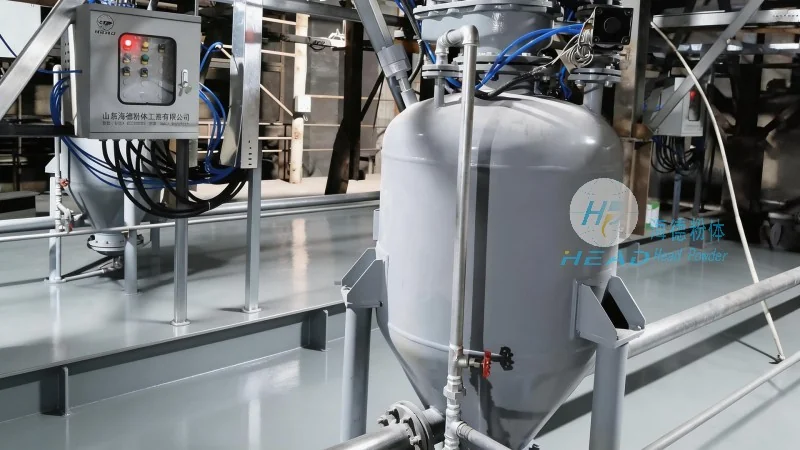
Core Components and Structure of the Pneumatic Conveying System
The structure of a typical si micro powder pneumatic conveying system consists of several key components that work in tandem to ensure optimal performance. The main parts include the hopper, which serves as the storage and feeding unit for the silicon powder. The hopper is equipped with a feeder, often a rotary valve or a screw feeder, that controls the flow rate of the powder into the system. This controlled feeding is essential to maintain a consistent air-powder ratio, which directly impacts the conveying efficiency and prevents issues like blockages or excessive pressure. Shandong HeadPowder Engineering Co., Ltd. specializes in designing such components to ensure compatibility with various silicon powder types and processing needs.
Next, the conveying line, which can be either a positive pressure or negative pressure system, is responsible for transporting the powder. In a positive pressure system, air is blown into the line, pushing the powder forward. Conversely, a negative pressure system draws the powder into the line using suction. For si micro powders, which are often very fine and prone to dusting, the design of the conveying line is critical. It typically includes features such as smooth internal surfaces to minimize friction and prevent powder buildup, as well as appropriate fittings and elbows that are designed to reduce pressure loss and maintain the flow.
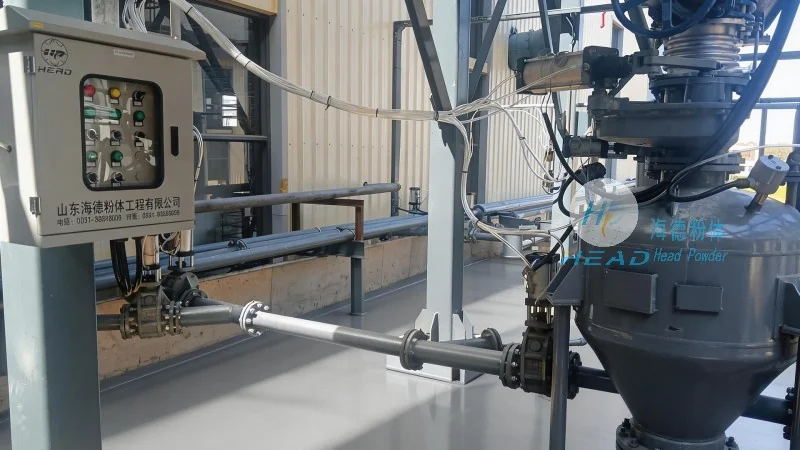
The system also includes a filter and dust collector at the receiving end. This component is vital for capturing any fine particles that may escape during the conveying process, ensuring environmental compliance and maintaining the quality of the powder. The filter is usually a baghouse or a cartridge filter, which can handle the fine particles of silicon powder effectively. Additionally, the system may incorporate a pressure regulator and a vacuum pump or blower, depending on the type of conveying system used.
Working Principle of the Pneumatic Conveying Process
The operation of the si micro powder pneumatic conveying equipment follows a systematic process that ensures the reliable transport of the material. The process begins with the powder being loaded into the hopper. The feeder then starts to discharge the powder at a controlled rate, which is synchronized with the air flow from the blower or vacuum pump. The air, carrying the powder particles, enters the conveying line and moves towards the receiving hopper or storage tank.
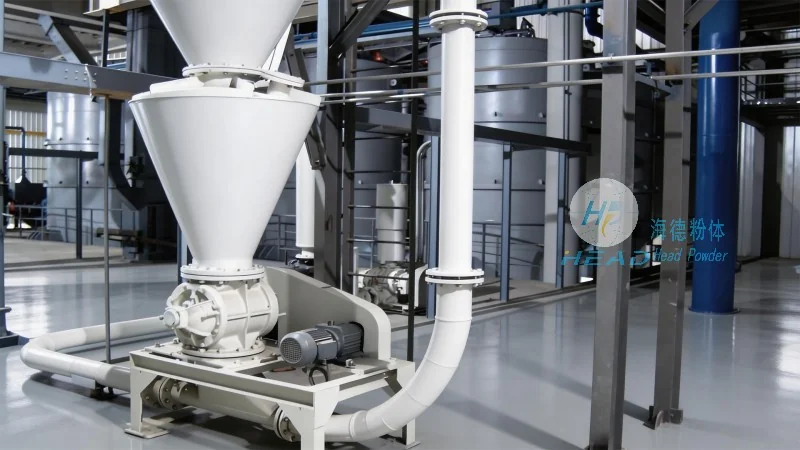
During the conveying process, the air-powder mixture travels through the system, maintaining a specific velocity to prevent particle settling or clogging. The velocity is typically maintained above the minimum conveying velocity, which is determined by factors such as the powder's density, particle size, and the system's pressure. The system's design ensures that the air flow is sufficient to keep the powder suspended and moving smoothly. At the receiving end, the air-powder mixture enters the filter, where the air is separated from the powder. The filtered air is then released, while the powder is collected in the receiving hopper.
The entire process is controlled by a series of sensors and control valves that monitor parameters such as pressure, flow rate, and powder level. These controls help maintain the optimal operating conditions, ensuring that the system operates efficiently and safely. For si micro powders, which are often sensitive to moisture or contamination, the system's design includes features like moisture-proofing and dust-tight seals to protect the powder quality.
Applications and Benefits of Si Micro Powder Pneumatic Conveying
Si micro powder pneumatic conveying equipment is widely used in various industries that require the handling of fine silicon powders, such as semiconductor manufacturing, solar panel production, and chemical processing. The system's ability to transport these powders in a controlled manner without mechanical contact makes it ideal for applications where product purity and consistency are paramount.
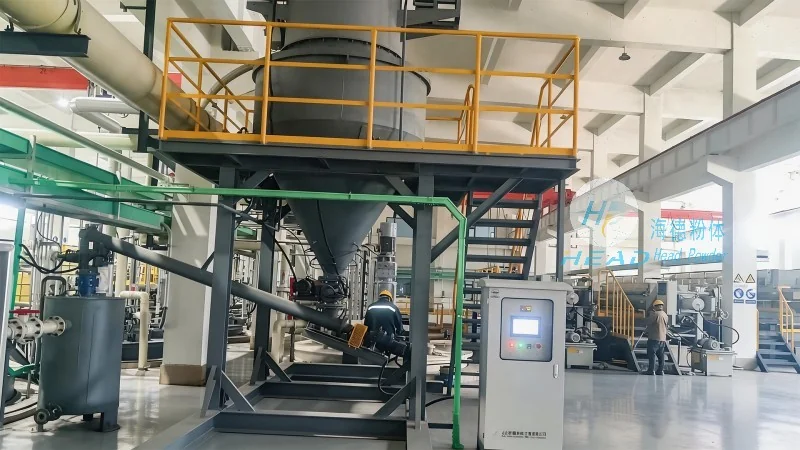
One of the key benefits of this equipment is its ability to handle powders that are difficult to transport using traditional methods. For example, si micro powders are often cohesive and prone to bridging in hoppers, which can lead to uneven feeding and system blockages. The pneumatic conveying system overcomes these issues by using air to break up the powder agglomerates and maintain a consistent flow. This results in improved process reliability and reduced downtime.
Another advantage is the system's flexibility. It can be configured to handle different powder types and sizes, and the conveying distance can be adjusted by modifying the system's components. This makes it a versatile solution for various industrial needs. Additionally, the system is relatively compact compared to other powder handling methods, saving space in the manufacturing facility and reducing installation costs.




