PVC pellets are widely utilized in the manufacturing of various plastic products, and efficient handling of these materials is critical for industrial processes. Pneumatic conveying systems offer a versatile and effective solution for transporting PVC pellets from storage to processing equipment. This article provides an overview of pneumatic conveying technology as it applies to PVC pellet handling, detailing the key aspects of the system and its operational principles.
The Working Principle of Pneumatic Conveying Systems
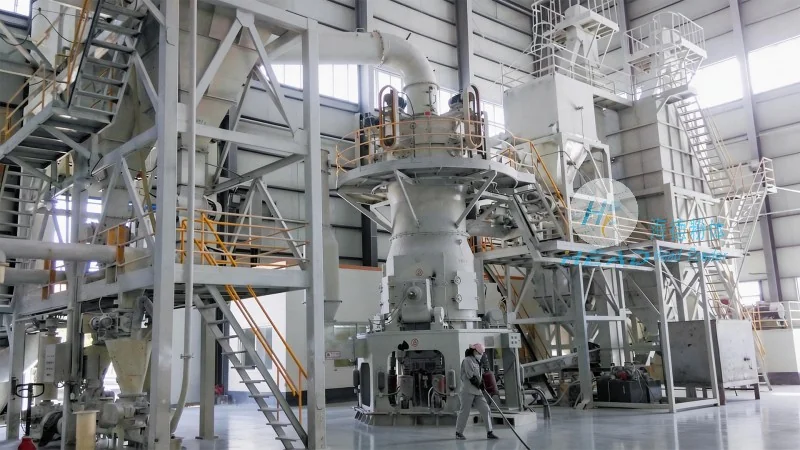
Pneumatic conveying systems utilize compressed air or gas to move bulk materials through a pipeline. In the case of PVC pellets, the system works by creating a pressure differential that propels the pellets along the conveying line. The process typically involves several key components: a blower or compressor to generate the necessary air pressure, a hopper or feeder to introduce the PVC pellets into the system, and a pipeline network that transports the material to its destination. The air and material are mixed in the conveying line, with the air providing the force to move the pellets. The system can operate under positive pressure, where air is forced into the line, or negative pressure, where air is drawn out, depending on the specific application requirements. The design of the system, including the type of blower, the size of the pipeline, and the configuration of the feeding and discharge points, is critical to ensuring efficient and reliable operation.
Key Components of a PVC Pellet Pneumatic Conveying System
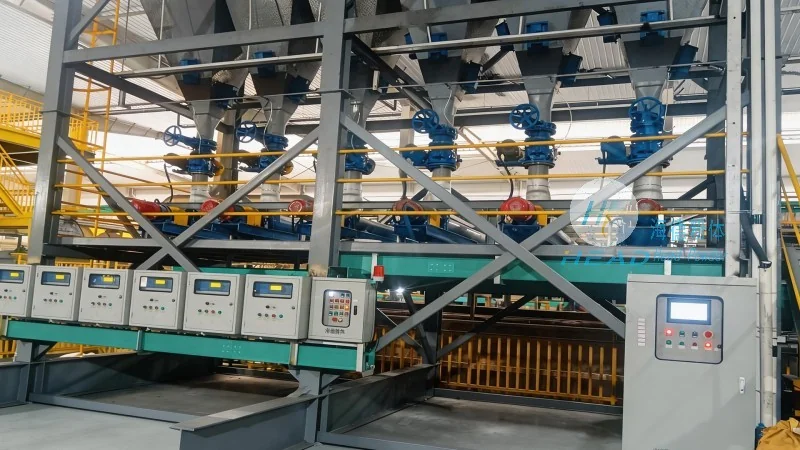
Several essential components make up a pneumatic conveying system for PVC pellets. The blower or compressor is the heart of the system, providing the necessary air pressure to move the material. The hopper or feeder is responsible for introducing the PVC pellets into the system, ensuring a consistent flow of material. The pipeline network, which can be made of materials such as stainless steel or plastic, is designed to withstand the pressure and temperature of the conveying process. The system may also include filters to remove dust or other contaminants from the air, and control valves to regulate the flow of air and material. The discharge point, where the PVC pellets are released from the system, is typically designed to prevent backflow and ensure a smooth transition to the next stage of the process.
Advantages of Pneumatic Conveying for PVC Pellets
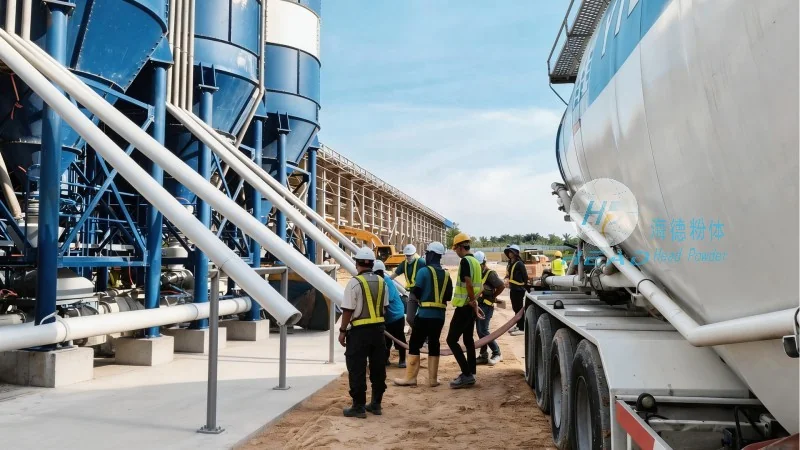
There are several advantages to using pneumatic conveying systems for PVC pellet handling. One of the primary benefits is the ability to transport materials in a closed system, which helps to prevent contamination and dust emissions. This is particularly important for PVC pellets, as they can be sensitive to moisture and other environmental factors. Additionally, pneumatic conveying systems can be designed to handle a wide range of material sizes and shapes, making them suitable for various industrial applications. The systems are also relatively compact and can be integrated into existing production lines, reducing the need for additional space or infrastructure. Furthermore, pneumatic conveying can be more energy-efficient than other material handling methods, such as belt conveyors or bucket elevators, as it uses compressed air to move the material rather than mechanical components.
Applications of PVC Pellet Pneumatic Conveying
Pneumatic conveying systems for PVC pellets are used in a variety of industrial applications. In the plastics industry, these systems are commonly used to transport PVC pellets from storage silos to extrusion or injection molding machines. They are also used in the production of PVC pipes, sheets, and other products, where the material needs to be moved between different processing stages. Additionally, pneumatic conveying can be used in the recycling industry to transport recycled PVC pellets from collection points to processing facilities. The systems are also suitable for use in food processing and pharmaceutical applications, where the material needs to be handled in a clean and hygienic environment.
About Shandong HeadPowder Engineering Co., Ltd.
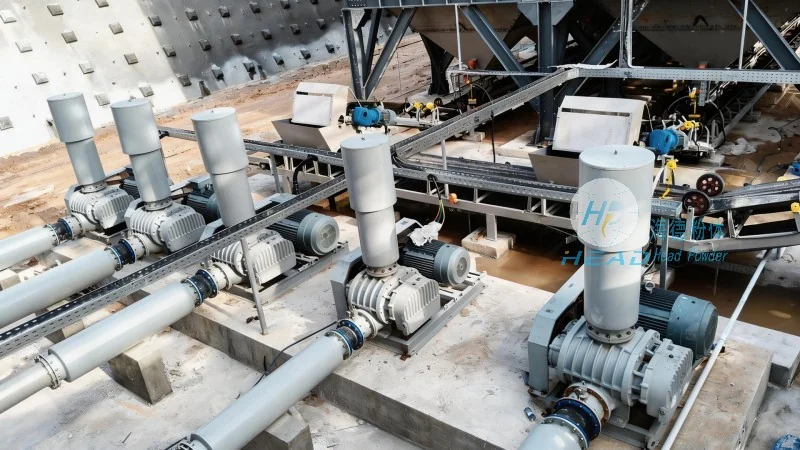
HeadPowder is a leading manufacturer of pneumatic conveying equipment, specializing in the design and production of systems for handling various bulk materials, including PVC pellets. The company is headquartered in Shandong, China, and has a team of experienced engineers and technicians dedicated to providing high-quality solutions for material handling challenges. HeadPowder's products are designed to meet the specific needs of clients, with a focus on efficiency, reliability, and safety. The company's manufacturing facility is equipped with advanced technology and quality control measures to ensure that all products meet the highest standards. HeadPowder also provides technical support and after-sales service to ensure that clients can operate their pneumatic conveying systems effectively and efficiently.




