PE Pellet Pneumatic Conveying Equipment: Structure and Principle Introduction
Release time:2026-09-14 10:50:55
name of the company:Shandong Headpowder Engineering Co., Ltd.
telephone:156-6277-7102
contacts:Zhang manager
PE pellet pneumatic conveying equipment serves as a crucial technology in the modern handling of plastic granules, particularly in industrial environments where reliable and efficient material transport is essential. This equipment leverages a pneumatic system to move PE pellets from one location to another, utilizing air as the primary medium. Understanding the structure and working principle of such systems is vital for professionals in material processing, as it ensures optimal performance, minimal downtime, and adherence to safety standards.
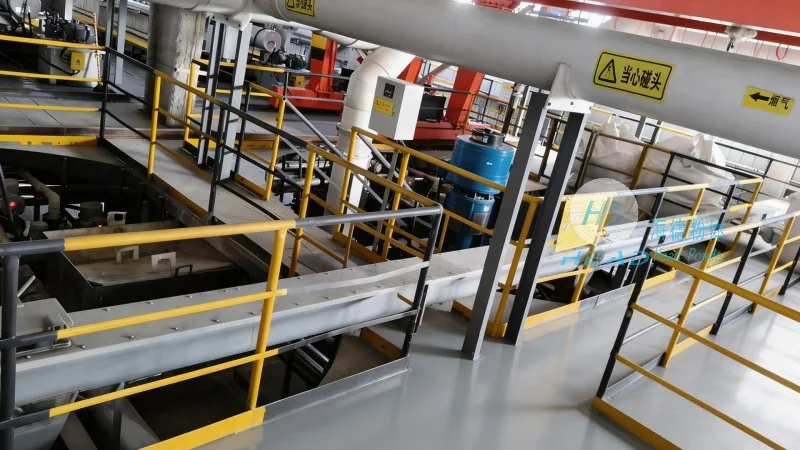
Overview of Pneumatic Conveying Systems for PE Pellets
Pneumatic conveying systems are widely adopted in the plastics industry due to their ability to transport PE pellets without direct mechanical contact, thereby reducing wear and contamination risks. The core of these systems lies in the integration of several key components that collaborate to achieve efficient material transfer. HeadPowder, a leading manufacturer based in Shandong, China, specializes in designing and manufacturing such equipment tailored to diverse industrial applications.
Key Structural Components of PE Pellet Pneumatic Conveying Equipment
The structure of PE pellet pneumatic conveying equipment typically comprises the following main components:
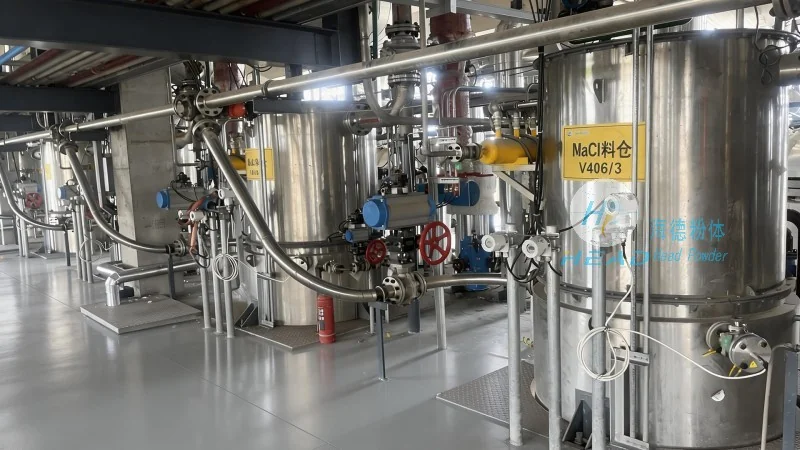
- Feeding System: This component introduces PE pellets into the conveying line. It may include a hopper, a rotary valve, or a screw feeder, depending on the system design. The feeding system ensures a consistent and controlled material flow, preventing blockages and maintaining system efficiency.
- Pneumatic Conveying Line: The pipeline acts as the primary pathway for transporting PE pellets. Constructed from durable materials like stainless steel or high-density polyethylene, it withstands the abrasive nature of the pellets and the pressure of conveying air. The line may include bends, elbows, and straight sections, with appropriate fittings to maintain air flow and prevent material deposition.
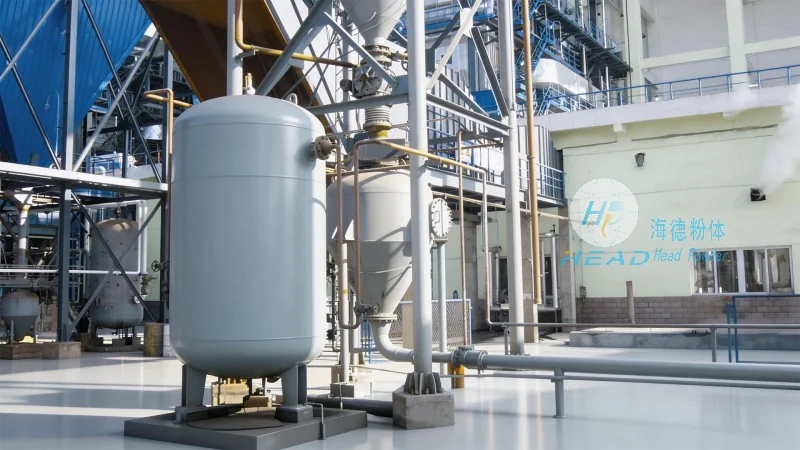
- Air Supply System: This system provides compressed air to move the PE pellets through the pipeline. It typically consists of an air compressor, a filter, a regulator, and a pressure vessel. The air must be clean and dry to avoid contaminating the PE pellets and to ensure the longevity of equipment components.
- Separation and Collection System: At the receiving end, the system separates PE pellets from the air stream. This is often achieved via a cyclone separator or a bag filter, which captures the pellets and returns them to a collection bin. The separated air is then discharged or recirculated as needed.
Working Principle of PE Pellet Pneumatic Conveying Equipment
The working principle of PE pellet pneumatic conveying equipment is based on fluidization and drag. Compressed air creates a flow that lifts and transports the PE pellets through the pipeline. When air is introduced at sufficient velocity, it generates a low-pressure zone that draws the pellets into the air stream. The pellets are then carried along the pipeline by the air flow, with velocity carefully controlled to prevent material degradation or damage.
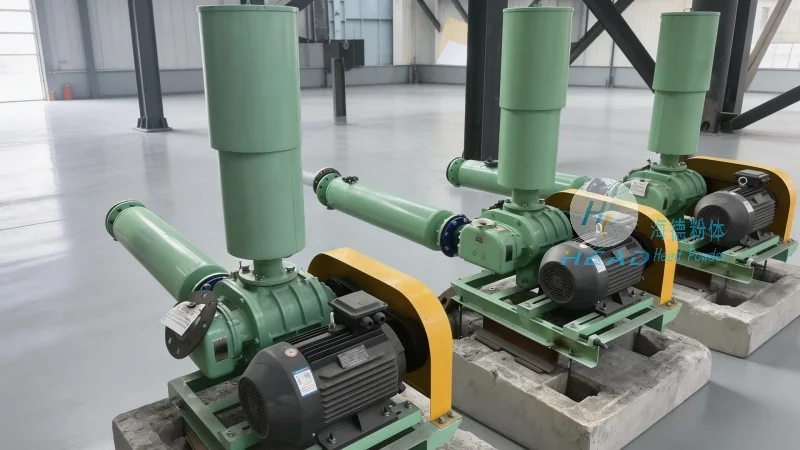
HeadPowder's engineering team optimizes air velocity and pressure based on the PE pellets' characteristics, such as size, density, and moisture content. This ensures efficient operation with minimal energy consumption and component wear. The company's expertise in material handling and pneumatic technology enables customized solutions that meet each client's unique requirements.
Benefits of Using PE Pellet Pneumatic Conveying Equipment
Implementing PE pellet pneumatic conveying equipment offers advantages over traditional mechanical methods:
- Reduced Contamination: Direct contact with mechanical parts is avoided, minimizing contamination risks from foreign substances.
- Improved Efficiency: High-volume, consistent material transport reduces downtime and boosts productivity.
- Space Efficiency: Compact design allows installation in confined spaces, suitable for facilities with limited floor area.
- Lower Maintenance Costs: Fewer moving parts compared to mechanical conveyors lower maintenance requirements and operational costs.
Conclusion
PE pellet pneumatic conveying equipment, manufactured by Shandong HeadPowder Engineering Co., Ltd. in China, represents a sophisticated solution for efficient plastic granule handling. By understanding the structural components and working principles, industries can leverage pneumatic conveying to enhance material processing operations. HeadPowder's commitment to quality and innovation ensures clients receive reliable, customized equipment that contributes to improved productivity and operational efficiency.




