Clay ash, as a common byproduct in industrial processes, requires efficient and reliable handling methods to ensure smooth production workflows. Pneumatic conveying equipment has emerged as a critical solution for transporting such powders, offering advantages like dust-free operation, low maintenance, and the ability to handle a wide range of materials. This article delves into the specifics of a clay ash pneumatic conveying equipment, exploring its structure, working principles, and the key components that make it an effective choice for industrial applications, with a focus on the solutions provided by Shandong HeadPowder Engineering Co., Ltd., a leading manufacturer in the field.
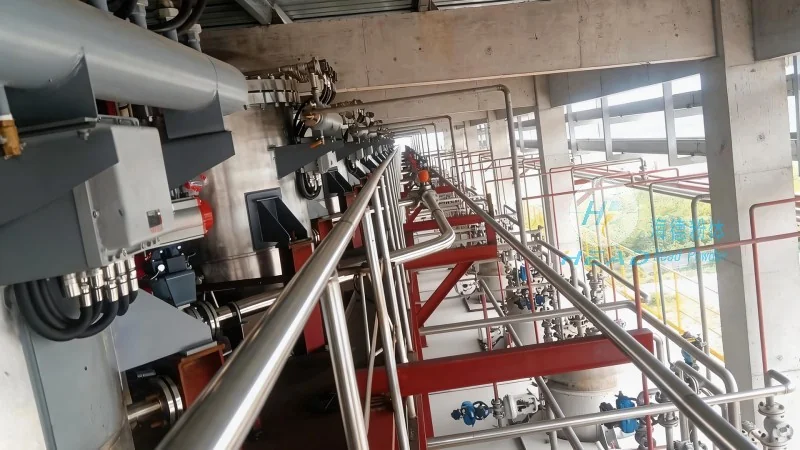
Overview of Pneumatic Conveying Systems
Pneumatic conveying systems are designed to transport bulk materials in the form of powders or granules using air or other gases as the conveying medium. These systems are widely used in various industries, including cement, mining, and chemical processing, due to their ability to handle materials that are difficult to transport via traditional methods like belt conveyors or bucket elevators. The core of a pneumatic conveying system is the ability to create a flow of air that can carry the material from the source to the destination, often with minimal human intervention.
Key Components of a Clay Ash Pneumatic Conveying Equipment
The clay ash pneumatic conveying equipment typically consists of several essential components that work in tandem to achieve efficient material transport. These components include the hopper, feeder, air compressor, conveying line, and receiver. Each component plays a crucial role in the overall operation of the system, all manufactured with precision by Shandong HeadPowder Engineering Co., Ltd.
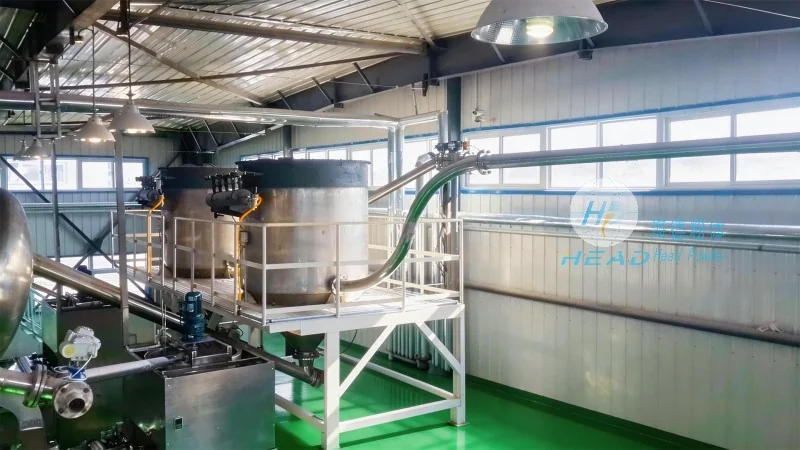
The Hopper and Feeder
The hopper is the initial storage container where clay ash is collected before being fed into the conveying system. It is designed to hold a sufficient quantity of material to ensure continuous operation without frequent refilling. The feeder, often a rotary valve or a screw feeder, regulates the flow of material from the hopper into the conveying line. This component is critical as it controls the rate at which material is introduced into the system, preventing overloading or underloading of the conveying line. The robust design of the hopper and feeder by Shandong HeadPowder ensures durability and consistent performance.
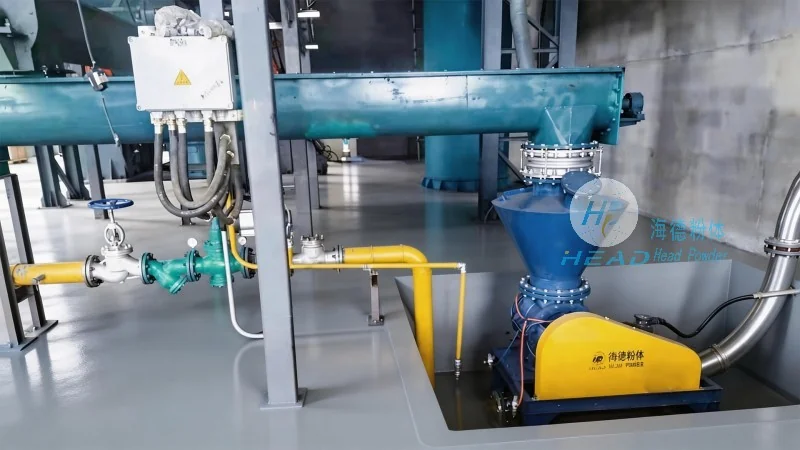
The Air Compressor and Conveying Line
The air compressor is responsible for generating the necessary pressure and airflow to move the clay ash through the conveying line. Depending on the system design, the compressor can be a positive displacement type or a centrifugal type. The conveying line, usually made of stainless steel or other corrosion-resistant materials, is where the material and air mixture travels from the feeder to the receiver. The line may include bends, elbows, or other fittings to direct the flow, and it is designed to withstand the pressure and temperature conditions of the conveying process. Shandong HeadPowder Engineering Co., Ltd. offers customized conveying lines to meet specific operational requirements.
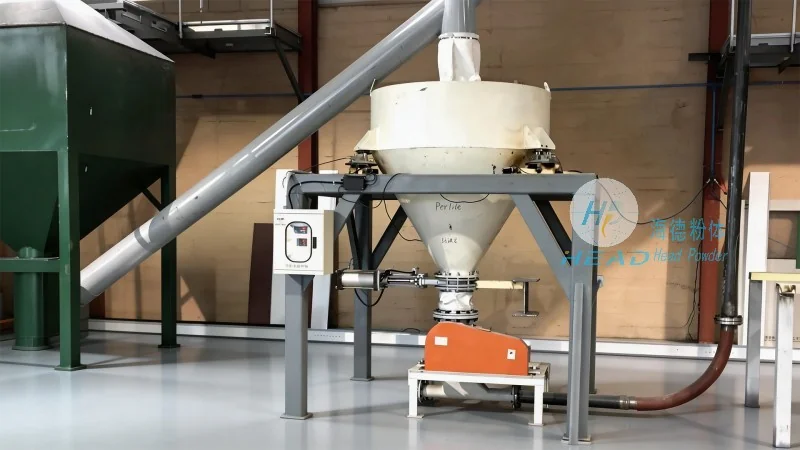
The Receiver and Control System
The receiver is the final destination where the clay ash is deposited after being conveyed. It is typically a hopper or a storage bin designed to collect the material and prevent it from escaping or being contaminated. The control system, which may include sensors, valves, and a control panel, monitors the operation of the entire system. It regulates the air pressure, adjusts the feeder speed, and alerts operators to any issues such as blockages or low material levels. This system ensures that the conveying process operates smoothly and safely. The advanced control system provided by Shandong HeadPowder enhances operational efficiency and safety.
Working Principle of the Clay Ash Pneumatic Conveying Equipment
The operation of a clay ash pneumatic conveying equipment follows a simple yet effective principle. When the feeder opens, clay ash is released into the conveying line along with a stream of air from the compressor. The air flow creates a negative pressure in the line, which pulls the material along with it. As the material travels through the line, it is carried by the air stream until it reaches the receiver. The air then may be filtered and recycled back to the compressor, or it may be vented to the atmosphere, depending on the system design and environmental regulations. The working principle is optimized by Shandong HeadPowder to ensure energy efficiency and minimal environmental impact.




