HeadPowder, a leading provider of industrial material handling solutions, specializes in the design, manufacturing, and installation of advanced pneumatic conveying systems for the transportation of cement and mineral powders. With a strong presence in Shandong, China, the company has established itself as a trusted partner for businesses seeking efficient and reliable powder handling technologies.
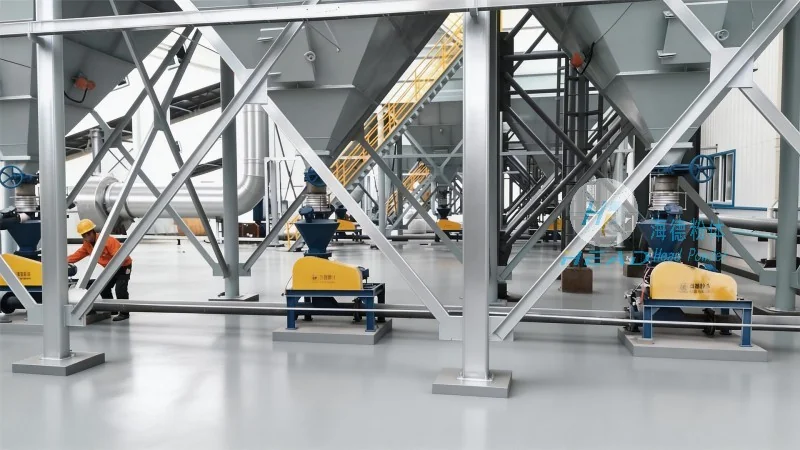
Understanding Pneumatic Conveying Systems for Cement and Mineral Powders
Pneumatic conveying systems are essential for the safe and efficient transportation of bulk materials like cement and mineral powders over short to medium distances. These systems utilize air or gas to move powders through a network of pipes, eliminating the need for mechanical components such as conveyor belts or buckets. The core components of a typical pneumatic conveying system include a material feed hopper, a conveying line, a control valve, and a discharge point. The process begins when the powder is fed into the hopper, where it is then drawn into the conveying line by a vacuum or pressure source. As the air flows through the pipe, it carries the powder particles along, ensuring smooth and continuous movement. This method not only reduces material handling costs but also minimizes the risk of dust contamination and product degradation.
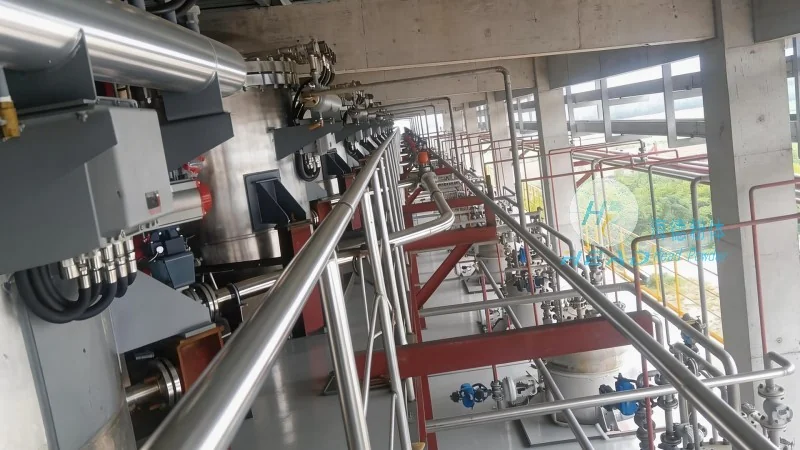
Key Components and Working Principles of Pneumatic Conveying Systems
The effectiveness of a pneumatic conveying system for cement and mineral powders depends on several critical components. The material feed hopper is designed to store and feed the powder into the system at a controlled rate, preventing overloading and ensuring consistent flow. The conveying line, typically made of stainless steel or other corrosion-resistant materials, is engineered to withstand the abrasive nature of cement and mineral powders. The control valve, often a rotary or slide valve, regulates the flow of air and powder, allowing for precise control over the conveying speed and pressure. The discharge point, where the powder is released into the final destination, is equipped with filters or cyclones to separate any remaining air from the material, ensuring a clean and efficient discharge process.
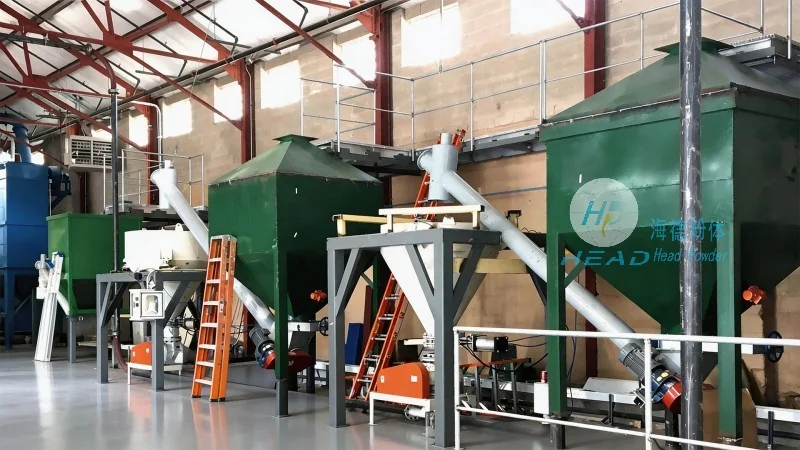
Advantages of Pneumatic Conveying Systems for Cement and Mineral Powders
Compared to traditional mechanical conveying methods, pneumatic conveying systems offer several advantages for handling cement and mineral powders. One of the primary benefits is the ability to transport materials in a closed system, which significantly reduces dust emissions and improves workplace safety. This is particularly important in industries where dust can pose health risks or interfere with production processes. Additionally, pneumatic systems are more flexible and adaptable to changes in material flow rates or process requirements. They can handle a wide range of particle sizes and moisture contents, making them suitable for various applications in the cement and mineral processing industries. Another key advantage is the reduced maintenance requirements compared to mechanical systems, as there are fewer moving parts that can wear out or require regular servicing.
Applications and Industries Served by Pneumatic Conveying Systems
Pneumatic conveying systems are widely used in the cement and mineral processing industries for a variety of applications. In cement plants, these systems are used to transport raw materials such as limestone, clay, and iron ore from storage silos to the grinding mills. They are also employed to move finished cement products from the production line to storage silos or loading facilities. In the mineral processing sector, pneumatic conveying is used to transport raw ores, concentrates, and other bulk materials between processing stages, such as crushing, grinding, and screening. The systems are also utilized in the chemical and pharmaceutical industries for the handling of powders, where precision and cleanliness are critical. HeadPowder's expertise in designing and implementing these systems ensures that clients receive tailored solutions that meet their specific operational needs and regulatory requirements.
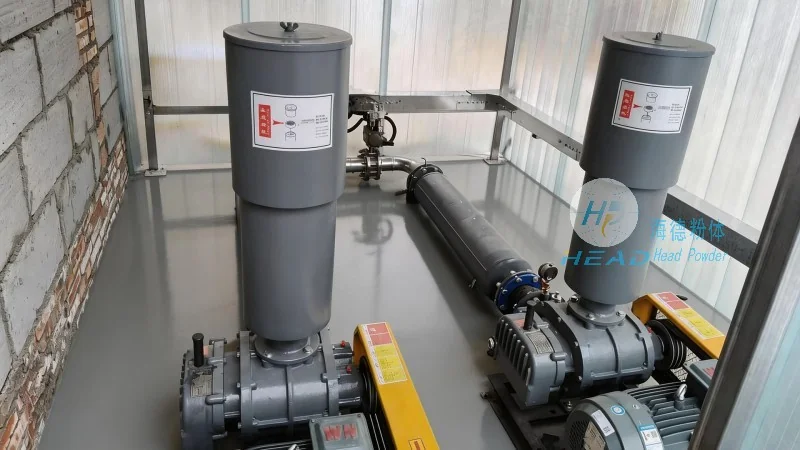
Customization and Integration of Pneumatic Conveying Systems
HeadPowder understands that each industrial application has unique requirements, and therefore, offers customized pneumatic conveying systems for cement and mineral powders. The company works closely with clients to assess their material handling needs, process parameters, and operational constraints to design a system that is both efficient and cost-effective. Customization may include adjustments to the conveying line diameter, material of construction, control valve type, and discharge equipment to ensure optimal performance. Additionally, HeadPowder provides integration services to ensure that the pneumatic conveying system works seamlessly with existing production lines and equipment. This includes coordinating with other system components, such as storage silos, grinding mills, and packaging machinery, to create a cohesive and efficient material handling solution. The company's team of engineers and technicians are experienced in integrating pneumatic systems into various industrial settings, ensuring smooth operation and minimal downtime.




