Polycrystalline silicon, a vital material in the semiconductor industry, demands efficient and reliable material handling solutions to support seamless production workflows. Pneumatic conveying systems have become a preferred method for transporting such materials due to their ability to handle fine powders and granules with precision and minimal contamination. This article provides an overview of polycrystalline silicon pneumatic conveying systems, detailing their operational principles and the core components that enable effective material transport.
Understanding Pneumatic Conveying Systems
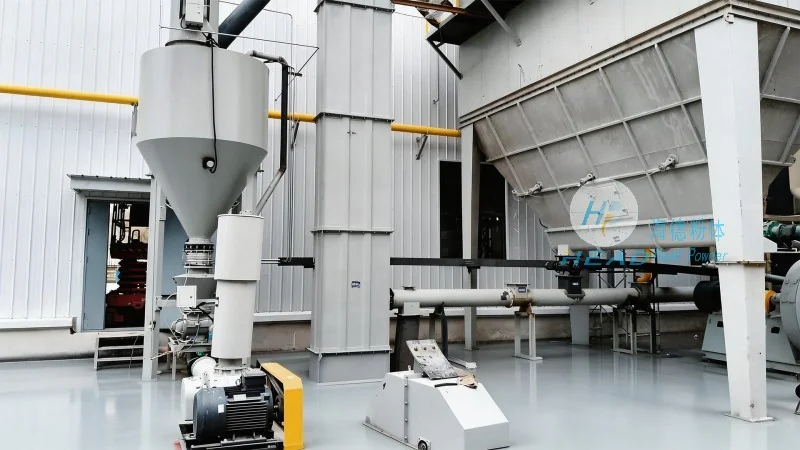
Pneumatic conveying systems utilize compressed air or other gases to transport bulk materials through a pipeline network. The process involves creating a pressure differential between the material source and the destination, which propels the material forward. There are two primary types of pneumatic conveying: pressure and vacuum systems. Pressure systems use compressed air to push material from a source to a destination, while vacuum systems draw material using a vacuum pump. For polycrystalline silicon, which is often in fine powder form, pressure systems are commonly employed due to their capacity to handle high material loads and maintain consistent flow rates.
Key Components of a Polycrystalline Silicon Pneumatic Conveying System
A typical polycrystalline silicon pneumatic conveying system consists of several essential components that work in tandem to ensure efficient material transport. These components include:
1. Material Hopper or Silo: This is the storage vessel where polycrystalline silicon is held before being conveyed. The hopper is designed to maintain material flow and prevent clogging, which is crucial for fine powders like polycrystalline silicon.
2. Air Compressor and Blower: The air compressor or blower generates the compressed air required to move the material. The choice of equipment depends on the system's capacity and the material's properties. For polycrystalline silicon, high-efficiency compressors are often used to maintain consistent pressure and minimize energy consumption.
3. Conveying Line: The pipeline through which the material is transported. The line is typically made of materials resistant to corrosion and abrasion, such as stainless steel or special alloys, to prevent contamination and wear from the fine silicon particles.
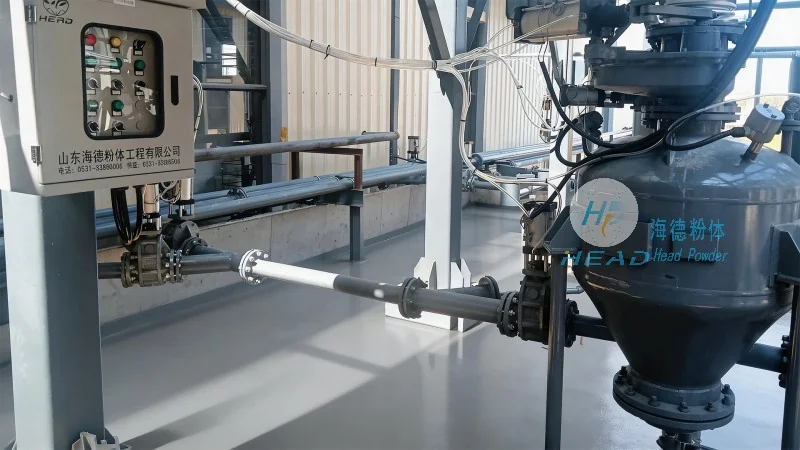
4. Control Valves and Regulators: These components regulate the flow of air and material, ensuring precise control over the conveying process. They help maintain consistent pressure and prevent backflow, which is vital for maintaining material quality and system efficiency.
5. Receiver or Discharge Hopper: The final storage or processing vessel where the conveyed polycrystalline silicon is deposited. This component is designed to handle the material's flow characteristics and prevent spillage or blockage.
Working Principle of Polycrystalline Silicon Pneumatic Conveying
The operation of a polycrystalline silicon pneumatic conveying system involves several steps that ensure the material is transported efficiently and safely. The process typically begins with the material being fed from the hopper into the conveying line. As compressed air is introduced into the line, it creates a flow that lifts and propels the polycrystalline silicon particles forward. The air velocity is carefully controlled to ensure that the material is carried without causing excessive wear on the system components or damaging the particles.
During transport, the system maintains a consistent pressure differential between the source and destination. This differential ensures that the material continues to move smoothly through the pipeline. At the receiving end, the air is often separated from the material using a cyclone or filter system, allowing the polycrystalline silicon to be deposited in the receiver while the air is recirculated or vented. This separation process is critical for maintaining material purity and preventing contamination from the air.
Advantages of Pneumatic Conveying for Polycrystalline Silicon
Pneumatic conveying systems offer several advantages when handling polycrystalline silicon, making them a preferred choice in the semiconductor industry:
1. Minimal Contamination: The enclosed system prevents exposure to external contaminants, ensuring the purity of the polycrystalline silicon, which is essential for semiconductor manufacturing.
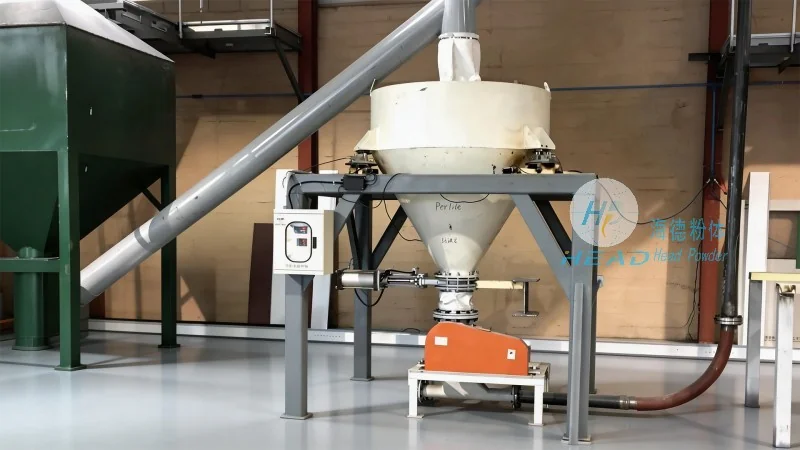
2. Efficient Material Handling: Pneumatic systems can handle large volumes of material with minimal labor, reducing operational costs and increasing productivity.
3. Flexibility in Layout: The system can be designed to follow complex layouts, allowing for integration with existing production facilities without major structural changes.
4. Low Maintenance: With fewer moving parts compared to mechanical conveying systems, pneumatic systems require less maintenance, reducing downtime and operational expenses.
Applications in the Semiconductor Industry
Polycrystalline silicon is widely used in the production of solar cells, microelectronics, and other high-tech devices. Pneumatic conveying systems are integral to the material handling processes in these applications, ensuring that the silicon is transported from storage to processing equipment without loss or contamination. The systems are particularly useful in cleanroom environments, where maintaining high standards of purity is paramount.
Conclusion
Pneumatic conveying systems provide an effective and reliable solution for transporting polycrystalline silicon, a critical material in the semiconductor industry. By understanding the working principles and key components of these systems, manufacturers can optimize their material handling processes, enhance productivity, and maintain the high purity standards required for modern semiconductor production. Companies like Shandong HeadPowder Engineering Co., Ltd., based in China, specialize in designing and implementing such systems, leveraging advanced technology to meet the evolving needs of the industry.




