HeadPowder, a professional engineering company based in Shandong, China, specializes in the design and implementation of advanced pneumatic conveying systems for various industrial applications. This article provides an overview of aerodynamic transport of sponge sand and explains the fundamental working principles of such systems, highlighting the technical aspects and practical applications.
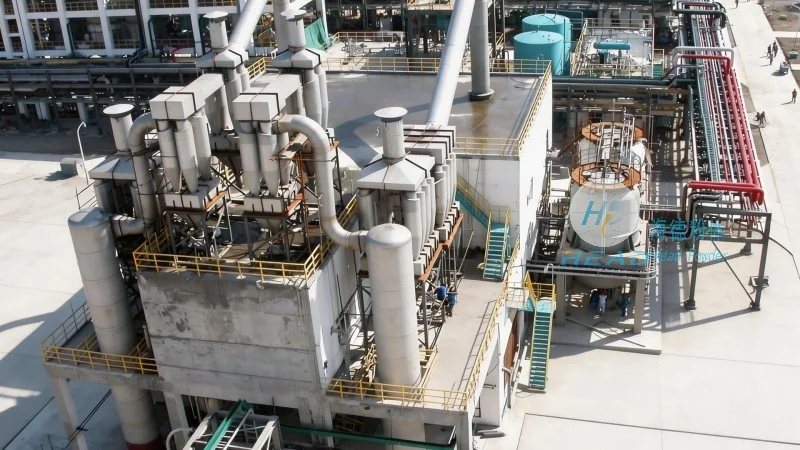
Understanding Aerodynamic Transport of Sponge Sand
Sponge sand, a type of lightweight, porous material often used in construction and manufacturing processes, presents unique challenges when it comes to material handling. Traditional methods like belt conveyors or bucket elevators may not be suitable due to the material's low density and tendency to cause dust or clogging. Aerodynamic transport, or pneumatic conveying, offers an efficient solution by using air pressure to move the material through a pipeline system. This method is particularly effective for handling fine, dry powders and granular materials like sponge sand, ensuring minimal product degradation and consistent flow rates.
The Working Principle of Pneumatic Conveying Systems
Pneumatic conveying systems operate on the principle of transporting bulk materials in a gas stream. There are two main types of pneumatic conveying: dilute-phase and dense-phase. Dilute-phase systems use high-velocity air to suspend the material particles in the air stream, moving them through the pipeline. Dense-phase systems, on the other hand, use lower air velocities and higher material concentrations, creating a slurry-like flow that is more suitable for longer distances or when product integrity is critical. The system typically consists of a material feed hopper, a conveying line, a receiver or discharge hopper, and a blower or compressor to generate the necessary air pressure. The material is fed into the system, where it is entrained by the air stream and transported to the destination. The air is then filtered and recycled, minimizing waste and energy consumption.
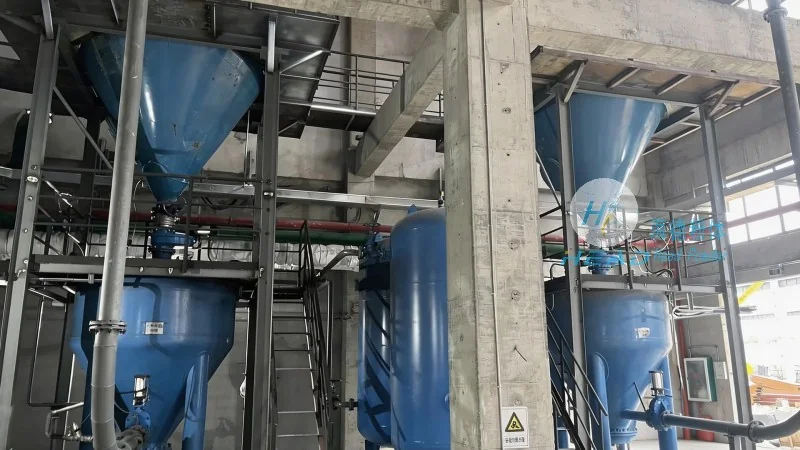
Key Components and Their Functions
Several critical components work together to ensure the efficient operation of a pneumatic conveying system for sponge sand. The material feed hopper is designed to store and feed the sponge sand into the conveying line at a controlled rate. The hopper may include a feeder mechanism, such as a rotary valve or a screw feeder, to regulate the flow and prevent blockages. The conveying line is typically made of stainless steel or other corrosion-resistant materials to handle the abrasive nature of the sand and prevent contamination. The blower or compressor provides the necessary air pressure to move the material through the line. The pressure can be adjusted based on the distance and material characteristics to optimize performance. The receiver or discharge hopper collects the material at the end of the conveying line and may include a discharge valve to control the release of the material. The air filtration system is essential to remove dust and particles from the exhaust air, ensuring compliance with environmental regulations and maintaining a clean working environment.
Advantages of Using Pneumatic Conveying for Sponge Sand
Implementing a pneumatic conveying system for sponge sand offers several advantages over traditional material handling methods. First, it provides a dust-free operation, which is crucial for maintaining a safe and healthy workplace. Unlike belt conveyors, which can generate significant dust and require additional dust control measures, pneumatic systems keep the material contained within the pipeline, reducing the risk of respiratory issues and environmental contamination. Second, the system is highly efficient in terms of energy consumption. By using air pressure to move the material, the system can achieve high throughput with relatively low energy input compared to mechanical systems. Third, the system is flexible and can be easily integrated into existing production lines. The conveying line can be configured to follow the layout of the facility, allowing for the movement of material between different processing stages. Fourth, the system is gentle on the material, minimizing product degradation and preserving the quality of the sponge sand. This is particularly important for applications where the material's properties, such as its porosity or strength, need to be maintained.
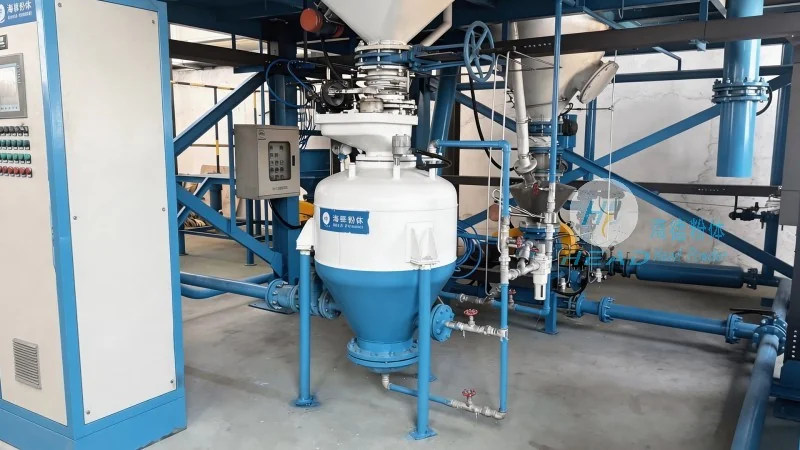
Applications and Industries
Pneumatic conveying systems for sponge sand are widely used in various industries, including construction, manufacturing, and chemical processing. In the construction industry, sponge sand is used as a lightweight aggregate in concrete and mortar, and pneumatic conveying allows for the efficient transport of the material from storage to mixing plants. In manufacturing, the material is used in the production of insulation materials, and the system ensures a consistent supply of sand to the production line. In the chemical industry, sponge sand may be used as a filler or additive in various products, and the system provides a reliable method for handling the material without contamination. The versatility of the pneumatic conveying system makes it suitable for a wide range of applications, from small-scale operations to large industrial facilities.
Conclusion
HeadPowder Engineering Co., Ltd., with its headquarters in Shandong, China, offers expert solutions for the aerodynamic transport of sponge sand and the design of efficient pneumatic conveying systems. By leveraging advanced engineering and material handling technologies, the company provides customized solutions that meet the specific needs of its clients. The working principles of pneumatic conveying, combined with the right components and system design, ensure reliable and efficient material transport, contributing to improved productivity and reduced operational costs. For industries dealing with sponge sand and other fine materials, pneumatic conveying is a superior choice, offering benefits that traditional methods cannot match.




