Maltose, a vital component in the food and beverage industry, often requires efficient and reliable transportation systems to maintain product quality and operational efficiency. Pneumatic conveying lines offer a sophisticated solution for handling maltose and similar bulk materials, combining technology with practical application to meet industry demands. This article explores the fundamental principles behind these systems and highlights their specific characteristics in real-world working scenarios.
Principle of Pneumatic Conveying for Maltose
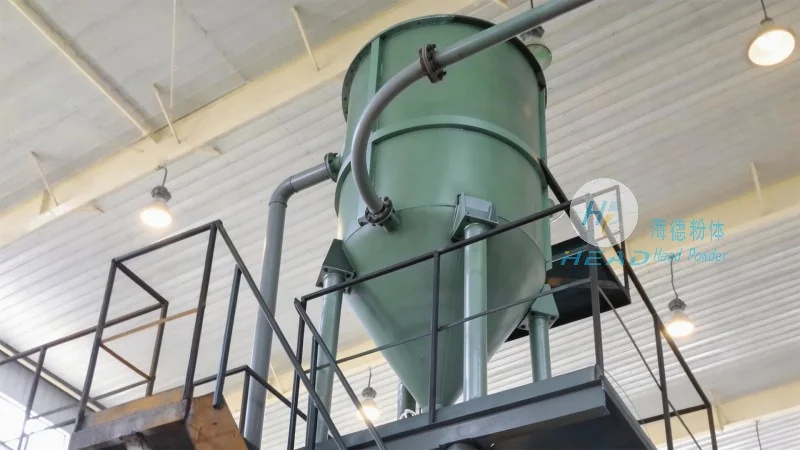
The core principle of pneumatic conveying involves using air or other gases to transport solid materials through a pipeline. In the case of maltose, which is typically a fine powder or granular substance, the system operates by creating a flow of air that pulls or pushes the material along the line. This method eliminates the need for mechanical components like belts or buckets, reducing maintenance and enhancing product purity. The system typically consists of a hopper, a conveying line, and a receiver, with air being supplied by a blower or compressor. The air flow is controlled to ensure the material is transported at an optimal velocity, preventing clogging and ensuring consistent flow rates. For maltose, which is hygroscopic and sensitive to moisture, the system is often designed with moisture-resistant materials and sealed components to maintain product integrity.
Key Components and Their Functions
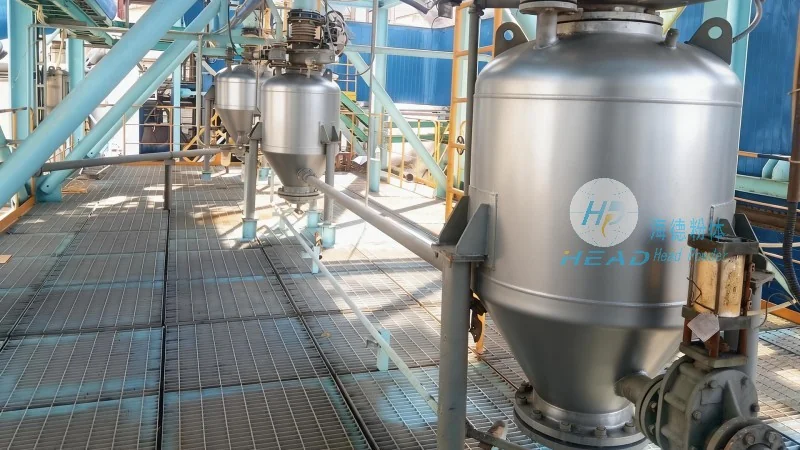
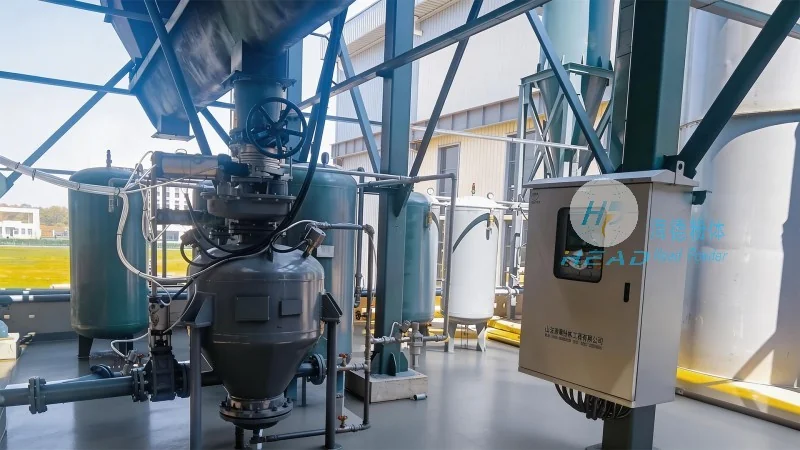
Several critical components make up a maltose pneumatic conveying line, each playing a vital role in the overall operation. The hopper serves as the storage and feeding unit, holding the maltose and providing a controlled discharge into the conveying line. The blower or compressor generates the necessary air pressure to move the material, with adjustable speed controls allowing for precise flow management. The conveying line itself is usually made of stainless steel or other corrosion-resistant materials to handle the maltose's properties and ensure durability. The receiver collects the conveyed maltose, often equipped with filters to remove any residual air or dust. Additionally, the system may include valves, sensors, and control panels to monitor and adjust the process in real-time, ensuring smooth operation and preventing issues such as blockages or overpressure.
Working Scene Characteristics
The application of maltose pneumatic conveying lines varies across different industries and operational settings. In food processing facilities, these systems are commonly used in sugar refineries, malt production plants, and beverage manufacturing sites where maltose is a primary ingredient. The working scene characteristics include high hygiene standards, as the equipment must meet food safety regulations. The lines are often designed with easy-to-clean surfaces and minimal dead zones to prevent contamination. In industrial settings, the focus may be on efficiency and throughput, with the system capable of handling large volumes of maltose quickly and reliably. The working environment may also involve varying temperatures and humidity levels, requiring the conveying line to be robust and adaptable. For example, in a maltose production plant, the system might be integrated with other processing equipment, such as mixers and reactors, to streamline the production process. The characteristics of the working scene also influence the choice of conveying method—whether it's a dilute-phase or dense-phase system—depending on the material's properties and the required transport distance.
Advantages and Considerations
Implementing a maltose pneumatic conveying line offers several advantages over traditional mechanical systems. The primary benefit is the reduction in product contamination and degradation, as the material is not in direct contact with mechanical parts. This is crucial for maltose, which can lose its quality if exposed to moisture or air. Additionally, the system is more energy-efficient and requires less maintenance, as there are fewer moving parts. The ability to transport maltose over long distances without the need for intermediate storage or handling also enhances operational efficiency. However, there are considerations to keep in mind. The system's performance is highly dependent on the material's properties, such as particle size and moisture content, which can affect the air flow and transport efficiency. Proper sizing and design of the components are essential to avoid issues like clogging or excessive pressure. Furthermore, the initial investment for a pneumatic conveying system can be higher than for mechanical systems, though the long-term savings in maintenance and energy costs often justify the expense.
Conclusion
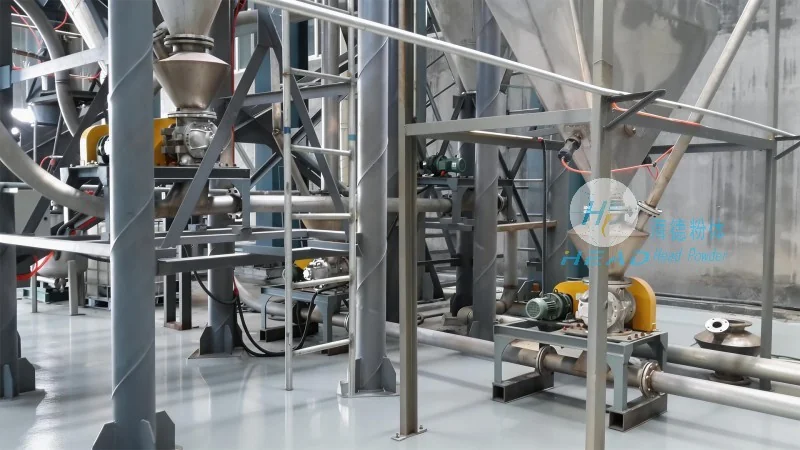
Maltose material pneumatic conveying lines represent a sophisticated and effective solution for handling bulk materials in the food and beverage industry. By understanding the principles behind these systems and their characteristics in various working scenarios, businesses can optimize their operations and maintain product quality. The combination of technology and practical application ensures that these lines are reliable, efficient, and adaptable to different industry needs. As the demand for high-quality maltose products continues to grow, the importance of efficient transportation systems like pneumatic conveying will only increase, making them a valuable investment for any maltose-related operation.




