When it comes to transporting heavy calcium powder, selecting the right conveying method is crucial for efficiency, safety, and operational costs. Two primary approaches dominate the industry: positive pressure conveying and negative pressure conveying. Understanding the differences between these systems is essential for making an informed decision that aligns with your specific production needs. This article will explore the key factors to consider when choosing between positive and negative pressure for heavy calcium powder handling, helping you distinguish the most suitable option for your application.
Understanding Positive Pressure Conveying
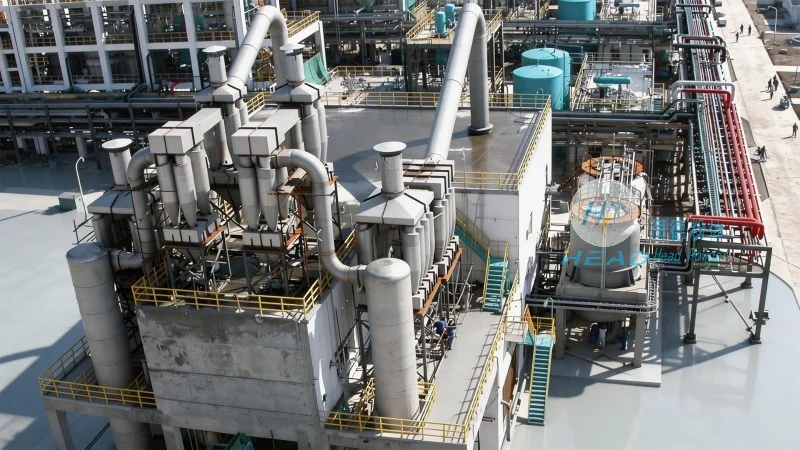
Positive pressure conveying systems operate by blowing air or gas into the material to move it through the pipeline. This method is often preferred for heavy calcium powder due to its ability to handle abrasive materials and ensure consistent flow. The headpowder system, as a leading provider in the field, utilizes advanced positive pressure technology to deliver reliable performance. With positive pressure, the material is pushed through the pipeline, reducing the risk of blockages and ensuring a steady supply of powder to processing units. This approach is particularly effective for applications requiring high material throughput and minimal downtime.
Key Advantages of Positive Pressure Conveying
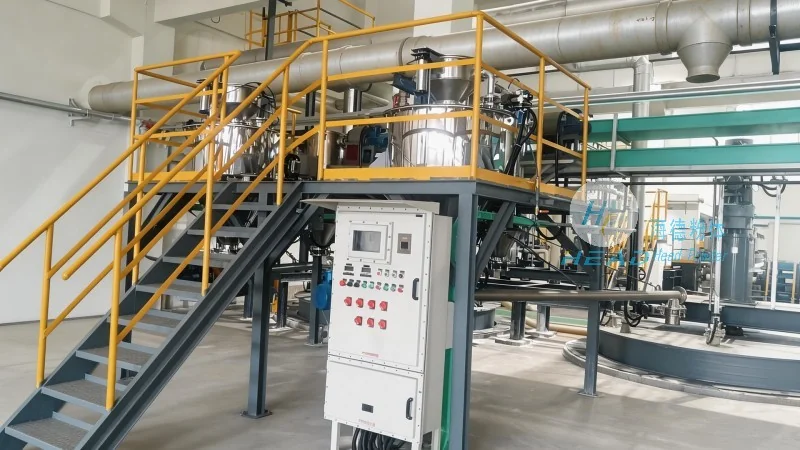
Positive pressure conveying offers several advantages that make it a popular choice for heavy calcium powder handling. Firstly, it provides excellent control over material flow, allowing operators to adjust the conveying rate based on production demands. This flexibility is critical in dynamic manufacturing environments where demand fluctuates. Secondly, the system is highly effective in preventing material degradation, as the enclosed pipeline minimizes exposure to air and moisture. This is especially important for heavy calcium powder, which can be sensitive to environmental factors. Additionally, positive pressure systems are generally more energy-efficient compared to negative pressure systems, as they require less power to maintain the flow. The robust design of these systems also ensures long-term reliability, reducing maintenance costs over time.
Exploring Negative Pressure Conveying
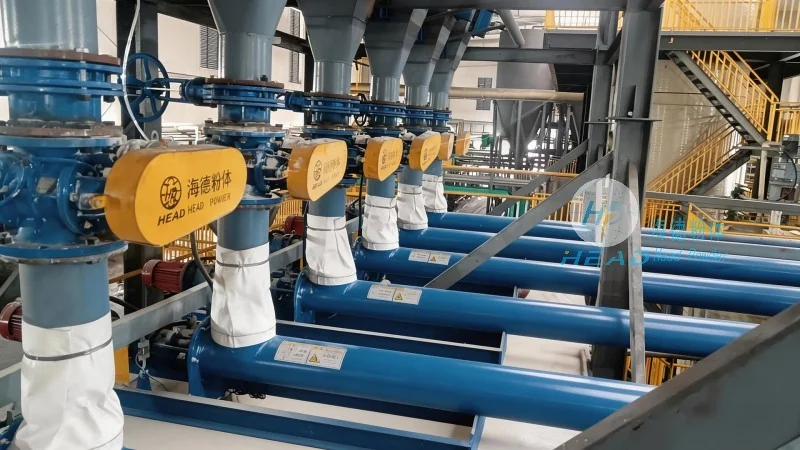
Negative pressure conveying, also known as suction conveying, works by creating a vacuum in the pipeline to draw material from the source. This method is often used for lighter materials or in applications where the material source is elevated. However, for heavy calcium powder, negative pressure systems may present challenges due to the material's density and abrasive nature. The headpowder engineering team has extensive experience in evaluating the suitability of negative pressure for various powder applications. While it can be effective for certain scenarios, negative pressure conveying typically requires more maintenance and is less efficient for handling heavy calcium powder compared to positive pressure alternatives.
Distinguishing Between the Two Methods
How can you determine which conveying system is right for your heavy calcium powder operation? The key lies in evaluating several critical factors. First, consider the material characteristics: heavy calcium powder is dense and abrasive, making positive pressure more suitable due to its ability to handle such properties without excessive wear on equipment. Second, assess the distance and layout of the conveying system. Positive pressure systems are generally more effective for longer distances and complex layouts, as they can maintain consistent pressure throughout the pipeline. In contrast, negative pressure may struggle with longer runs and require additional equipment to maintain suction. Third, evaluate the environmental impact and safety considerations. Positive pressure systems are often preferred in industrial settings due to their enclosed design, which minimizes dust emissions and improves workplace safety. Finally, consider the operational costs, including energy consumption and maintenance requirements. Positive pressure systems typically offer lower long-term costs, making them a more economical choice for heavy calcium powder handling.
Conclusion and Recommendations
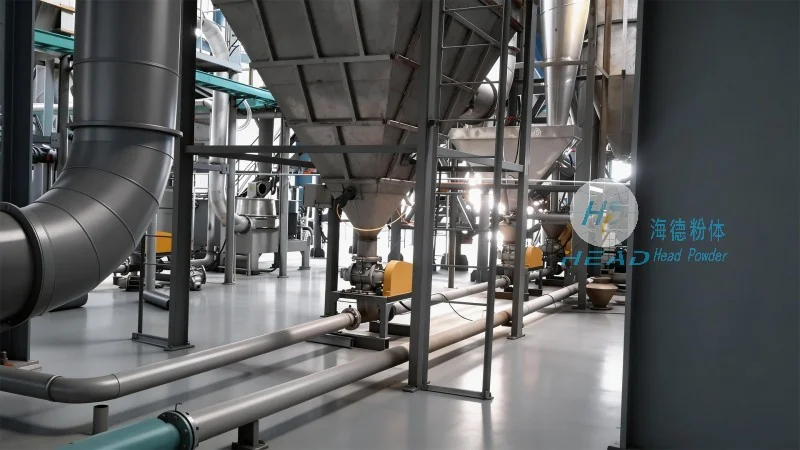
Choosing between positive pressure and negative pressure for heavy calcium powder conveying requires a thorough analysis of your specific needs. The headpowder engineering team at Shandong HeadPowder Engineering Co., Ltd. specializes in providing tailored solutions that address the unique challenges of heavy calcium powder handling. By leveraging their expertise in positive pressure technology, they can help you select the most efficient and reliable conveying system for your application. Whether you are operating in China or elsewhere, the company’s commitment to quality and innovation ensures that your heavy calcium powder conveying needs are met with precision and care. Contact HeadPowder today to learn more about how their advanced conveying systems can optimize your production process and enhance overall efficiency.




