When it comes to transporting desulfurizers in industrial settings, the choice between positive pressure and negative pressure systems is a critical decision that impacts operational efficiency, safety, and cost-effectiveness. Understanding the nuances of each method is essential for selecting the most suitable solution for specific applications. This article explores the key differences between positive and negative pressure delivery systems, providing insights to help you make an informed choice.
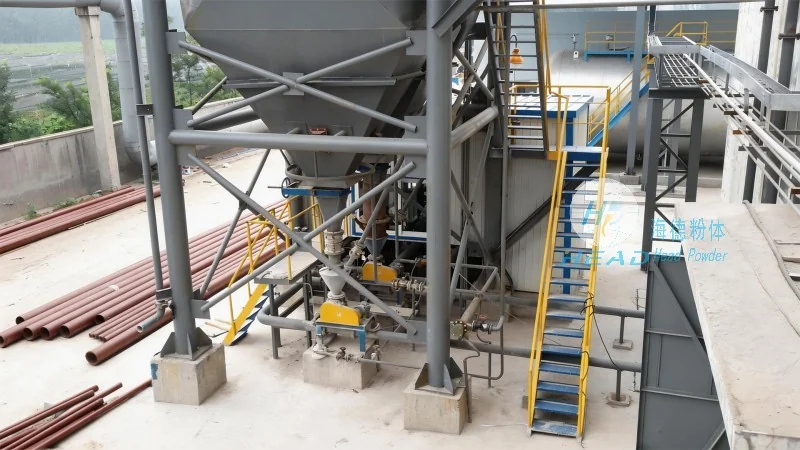
HeadPowder, a leading provider of industrial solutions based in Shandong, China, emphasizes the importance of evaluating operational requirements and environmental factors before committing to a delivery system. The company’s expertise in material handling and process engineering helps clients navigate the complexities of desulfurizer transport, ensuring optimal performance and compliance with industry standards.
Understanding Positive Pressure Delivery Systems
Positive pressure delivery systems operate by forcing material through a pipeline using a blower or compressor. This method ensures a consistent flow of desulfurizer, preventing backflow and maintaining pressure within the system. The primary advantage of positive pressure is its ability to handle materials with high moisture content or those that are prone to caking, as the forced air helps keep the material in a fluid state. Additionally, positive pressure systems are generally more reliable in environments with high dust concentrations or where the material is abrasive, as the air flow helps protect equipment from wear and tear.
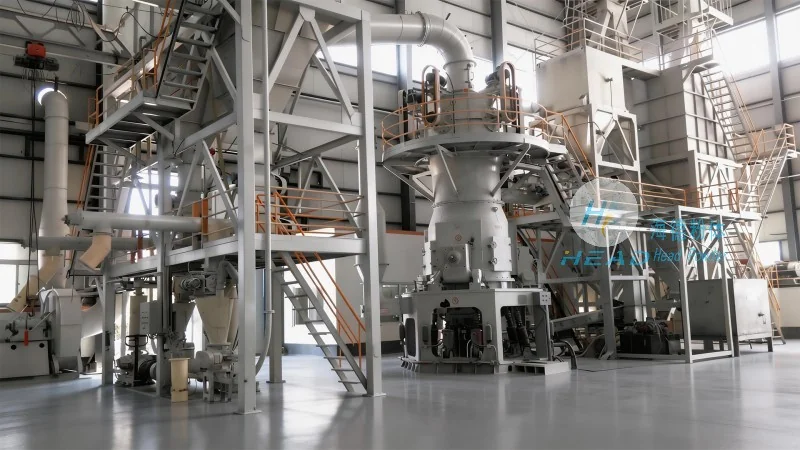
HeadPowder’s positive pressure delivery solutions are designed to meet the demands of various industrial applications. The company’s engineers work closely with clients to select the appropriate blower size and air flow rate, ensuring that the system can handle the specific characteristics of the desulfurizer being transported. For example, in power plant desulfurization systems, where large volumes of limestone or other reagents are required, positive pressure systems are often preferred due to their ability to maintain consistent flow rates over long distances.
Exploring Negative Pressure Delivery Systems
Negative pressure, or suction, delivery systems rely on a vacuum to draw material from a storage silo or hopper into the transport pipeline. This method is typically used for materials that are free-flowing and non-abrasive, as the vacuum helps maintain a consistent flow without the need for high-pressure air. The main benefit of negative pressure is its lower energy consumption compared to positive pressure systems, as it does not require a powerful blower or compressor. This can result in significant cost savings, especially for facilities operating on a large scale.
However, negative pressure systems have limitations, particularly when dealing with materials that are prone to bridging or caking. The vacuum may not be sufficient to break up clumps or prevent material from sticking to the walls of the hopper or pipeline, leading to uneven flow and potential blockages. HeadPowder addresses these challenges by incorporating features such as agitators or vibrators into the suction system, ensuring that the material remains in a free-flowing state throughout the transport process.
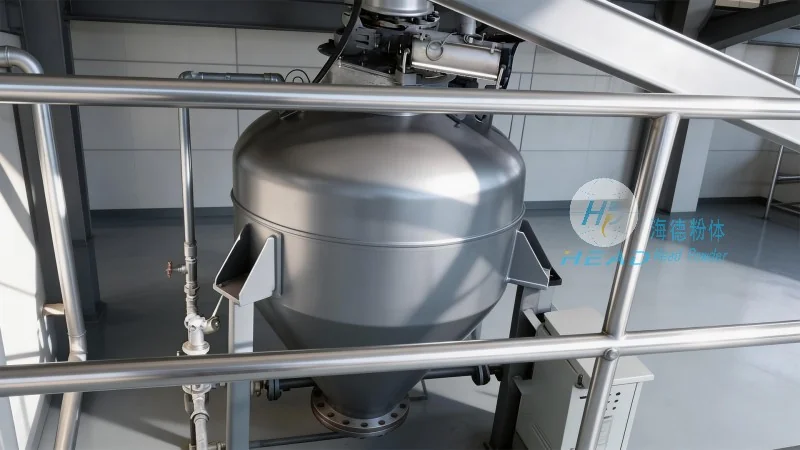
Distinguishing Between the Two Methods
The key to selecting the right delivery system lies in understanding the properties of the desulfurizer and the operational environment. Positive pressure is generally recommended for materials that are abrasive, have high moisture content, or are prone to caking, as the forced air helps maintain flow and protect equipment. Negative pressure is more suitable for free-flowing, non-abrasive materials where energy efficiency is a priority.
HeadPowder’s team of experts conducts thorough assessments of each client’s needs, considering factors such as material characteristics, pipeline length, and environmental conditions. By analyzing these variables, the company can recommend the most effective delivery system, whether it’s a positive pressure or negative pressure solution. For instance, in a chemical plant where the desulfurizer is a fine powder with high moisture content, a positive pressure system with a high-efficiency blower is likely the best choice to prevent clogging and ensure consistent delivery.
Factors to Consider When Choosing a Delivery System
Beyond the basic principles of positive and negative pressure, several other factors should be considered when selecting a desulfurizer delivery system. These include the capacity and frequency of material transport, the distance between the storage and processing areas, and the available space for equipment installation. HeadPowder’s engineers take all these factors into account to design a customized solution that meets the client’s specific requirements.
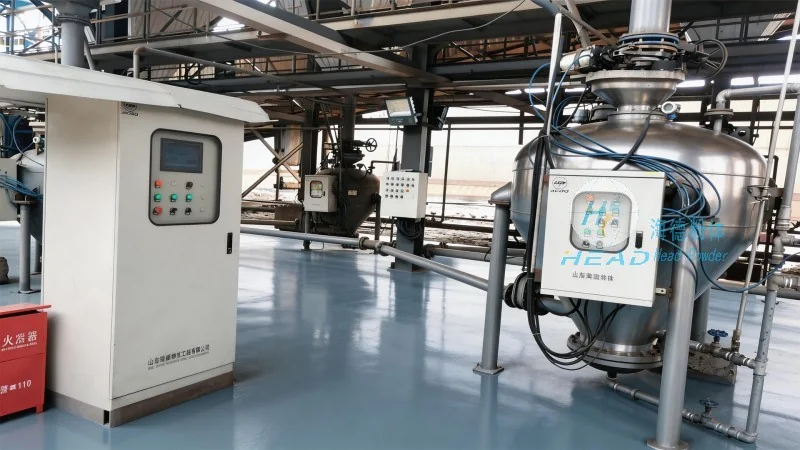
Another important consideration is the impact of the delivery system on the overall process. For example, in a power plant desulfurization system, the delivery of limestone or other reagents must be synchronized with the boiler’s operation to maintain optimal flue gas treatment. A positive pressure system with a variable speed blower allows for precise control over the flow rate, ensuring that the reagents are delivered at the right time and in the correct quantity. This level of control is crucial for maintaining the efficiency of the desulfurization process and minimizing emissions.
Conclusion
Choosing between positive and negative pressure for desulfurizer delivery requires a careful evaluation of the material’s properties, operational needs, and environmental factors. HeadPowder, with its extensive experience in industrial material handling, provides tailored solutions that address the unique challenges of each application. By understanding the advantages and limitations of both positive and negative pressure systems, and working with a knowledgeable partner like HeadPowder, industrial facilities can ensure reliable, efficient, and cost-effective desulfurizer transport.




