When it comes to transporting limestone powder, selecting the right conveying method is crucial for efficiency, safety, and cost-effectiveness. Two primary methods are widely used: positive pressure conveying and negative pressure conveying. Understanding the differences between these two systems is essential for making an informed decision. This article, provided by Shandong HeadPowder Engineering Co., Ltd., will explore the key aspects of each method and provide guidance on how to distinguish between them.
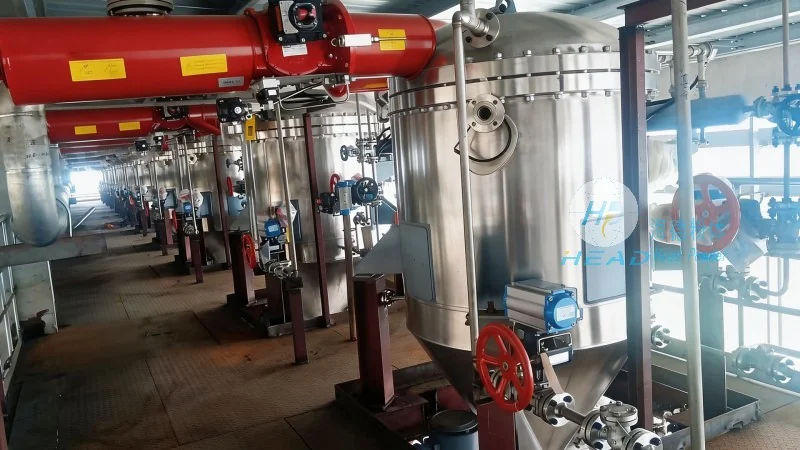
Introduction to Limestone Powder Conveying Systems
Limestone powder, a common material in industries such as construction, agriculture, and chemical processing, requires specialized handling due to its fine particle size and potential for dust generation. Conveying systems are designed to transport this material from one location to another while maintaining product integrity and operational safety. The choice between positive pressure and negative pressure conveying depends on several factors, including the material characteristics, system layout, and operational requirements.
Positive Pressure Conveying: How It Works
Positive pressure conveying, also known as pressure pneumatic conveying, operates by blowing air or gas under pressure into the conveying line. The material is suspended in the air stream and transported to the destination. This method is particularly effective for short to medium-distance conveying and for materials that are non-abrasive or have low moisture content. The positive pressure system ensures that the material is continuously moved forward by the pressure differential, preventing clogging and ensuring consistent flow.
One of the key advantages of positive pressure conveying is its ability to handle a wide range of materials, including those with high moisture content or sticky properties. The high pressure air helps to break up agglomerates and keep the material in suspension. Additionally, positive pressure systems are generally more reliable for long-term operation, as they are less prone to blockages compared to negative pressure systems.
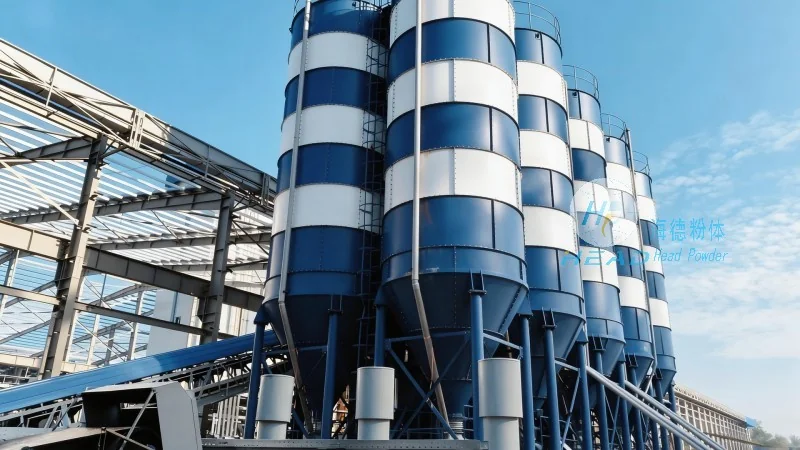
Negative Pressure Conveying: How It Works
Negative pressure conveying, or vacuum pneumatic conveying, operates by creating a vacuum in the conveying line. The material is drawn into the system by the pressure difference between the source and the destination. This method is ideal for longer distances and for materials that are light or have a tendency to settle quickly. The vacuum system pulls the material through the line, ensuring that the material is continuously drawn towards the collection point.
A major advantage of negative pressure conveying is its ability to handle materials that are sensitive to pressure or that require a cleaner environment. The vacuum process reduces the risk of dust dispersion and contamination, making it suitable for applications where dust control is critical. However, negative pressure systems are more susceptible to blockages and require more maintenance to prevent clogging, especially with abrasive or sticky materials.
Distinguishing Between Positive and Negative Pressure Conveying
Choosing between positive and negative pressure conveying involves evaluating several key factors. The first consideration is the distance between the source and the destination. Positive pressure systems are generally more suitable for shorter distances, typically up to 100 meters, while negative pressure systems can handle longer distances, up to several hundred meters or more. The material characteristics also play a significant role. For example, if the limestone powder is abrasive or has high moisture content, a positive pressure system may be preferred due to its ability to handle such conditions. Conversely, if the material is light and prone to settling, a negative pressure system may be more effective.
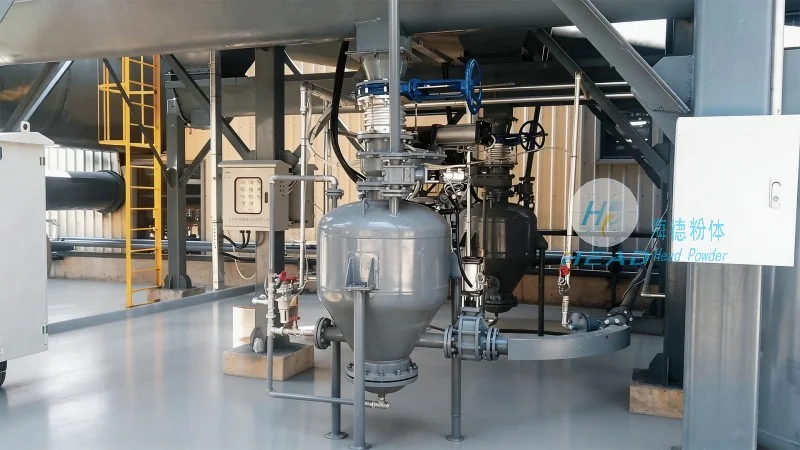
Another important factor is the system layout and available space. Positive pressure systems require a pressure source at the material source, which may need additional equipment such as a blower or compressor. Negative pressure systems, on the other hand, require a vacuum pump at the destination, which can be more compact and easier to install in confined spaces. The operational requirements, such as the need for dust control or environmental compliance, also influence the choice. Positive pressure systems may require additional filtration to prevent dust emissions, while negative pressure systems inherently contain the material within the system, reducing external emissions.
Factors to Consider When Selecting a Conveying System
When deciding between positive and negative pressure conveying for limestone powder, several factors must be taken into account. The first is the material's physical properties, including particle size, density, and moisture content. Fine particles and high moisture content may require a system that can handle these characteristics effectively. The second is the conveying distance and layout of the system. The third is the operational environment, including the need for dust control and safety measures. The fourth is the cost of equipment and maintenance. Positive pressure systems may have higher initial costs due to the need for high-pressure air equipment, but they may have lower long-term maintenance costs due to fewer blockages. Negative pressure systems may have lower initial costs but higher maintenance costs due to the need for more frequent cleaning and repair.
Conclusion
Choosing between positive pressure and negative pressure conveying for limestone powder requires a thorough evaluation of the material characteristics, system requirements, and operational constraints. Positive pressure conveying is generally more suitable for shorter distances and materials with high moisture or abrasive properties, while negative pressure conveying is better for longer distances and materials that are light or prone to settling. By understanding the differences between these two systems and considering the specific needs of the application, you can select the most appropriate conveying method to ensure efficient and safe transport of limestone powder.




