When it comes to transporting lime, selecting the right method is crucial for efficiency, safety, and cost-effectiveness. Two primary approaches are widely used: positive pressure and negative pressure systems. Understanding the differences between these two methods is essential for making an informed decision that aligns with operational needs and material characteristics.
Understanding Positive Pressure and Negative Pressure Systems
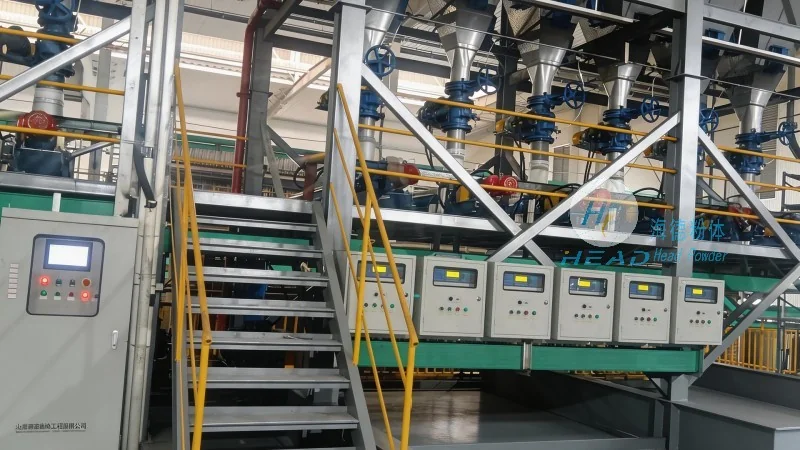
Positive pressure systems operate by forcing air or gas through the transport line, pushing the material forward. This method is often preferred for materials that are prone to dusting or require airtight containment. The pressure is maintained by a blower or fan at the inlet, ensuring the material is continuously moved through the pipeline. Positive pressure systems are particularly effective for transporting fine powders like lime, as they prevent material from settling or clogging the line.
On the other hand, negative pressure systems rely on suction to draw the material into the transport line. A vacuum is created at the inlet, and the material is pulled along by the airflow. This approach is generally more energy-efficient for shorter distances and less material volume. However, it may be less suitable for materials that are highly cohesive or prone to bridging, as the suction force might not be sufficient to maintain flow.
Distinguishing Between Positive and Negative Pressure Transport
Several key factors can help distinguish between positive and negative pressure systems. First, consider the material's properties. If the lime is fine and dusty, a positive pressure system may be more appropriate to prevent dust dispersion and ensure complete transport. Conversely, if the material is bulkier or less prone to dusting, a negative pressure system could offer advantages in energy consumption and lower operational costs.
Second, evaluate the distance and volume of material to be transported. Positive pressure systems are often used for longer distances or higher material volumes, as they can maintain consistent flow rates with less risk of clogging. Negative pressure systems are better suited for shorter runs or smaller quantities, where the energy savings from suction outweigh the potential drawbacks.
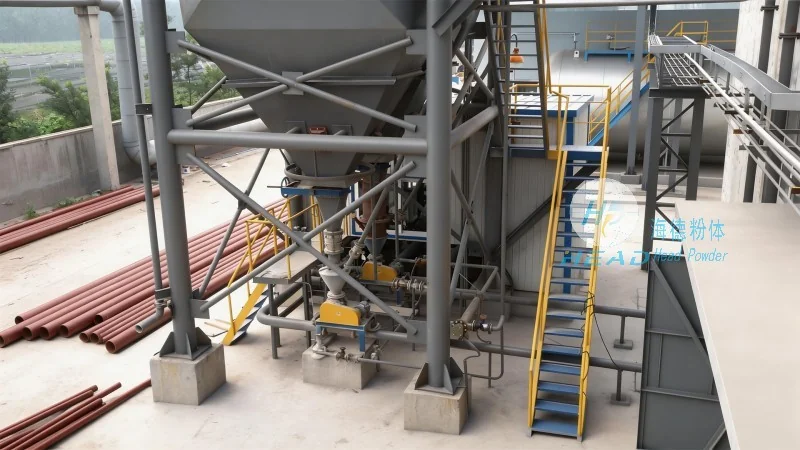
Third, assess the environmental and safety requirements. Positive pressure systems require sealed pipelines to prevent dust emissions, which may be a regulatory requirement in certain industries. Negative pressure systems, while less energy-intensive, may generate more dust at the inlet, necessitating additional filtration or containment measures.
Factors to Consider When Choosing a Transport Method
When deciding between positive and negative pressure for lime transport, several practical considerations come into play. The initial investment and operational costs are significant factors. Positive pressure systems typically have higher upfront costs due to the need for robust blower systems and sealed pipelines, but they may offer lower long-term maintenance costs if properly maintained. Negative pressure systems have lower initial costs but may incur higher energy expenses over time, especially for extended operations.
Another critical factor is the impact on the environment and workplace safety. Positive pressure systems are generally more effective at containing dust, reducing the risk of inhalation hazards and environmental contamination. Negative pressure systems, while less expensive, may require additional dust control measures, such as local exhaust systems or air filtration, to comply with safety regulations.
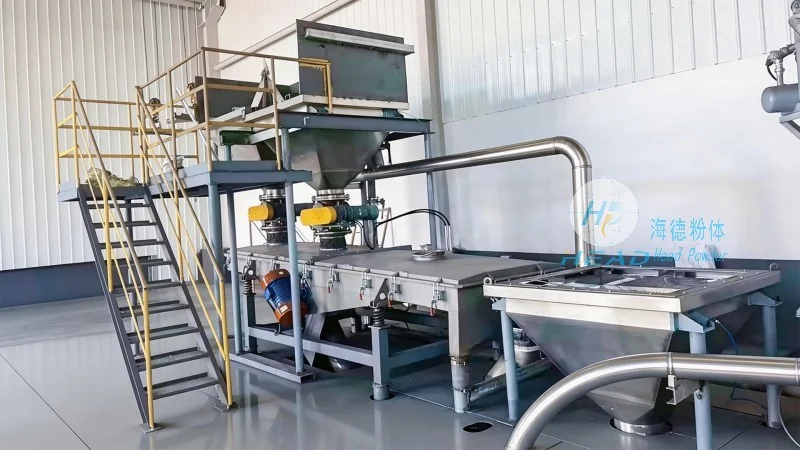
Operational flexibility is also an important consideration. Positive pressure systems can be more easily scaled up or down by adjusting the blower speed, making them suitable for variable production rates. Negative pressure systems, however, may have limitations in adjusting flow rates, as the suction force is primarily determined by the vacuum level.
Case Study: Application in Industrial Settings
Shandong HeadPowder Engineering Co., Ltd., a leading provider of bulk material handling solutions, has extensive experience in implementing both positive and negative pressure systems for lime transport. The company's expertise lies in tailoring the transport method to the specific needs of each client, ensuring optimal performance and compliance with industry standards. For example, in a cement production facility, a positive pressure system was chosen to transport fine lime over a long distance, while a negative pressure system was used in a smaller, on-site application for bulk lime handling.
These case studies highlight the importance of selecting the right transport method based on material characteristics, operational requirements, and cost considerations. By understanding the nuances of positive and negative pressure systems, industrial facilities can improve efficiency, reduce downtime, and enhance safety in their lime handling processes.
Conclusion
Choosing between positive pressure and negative pressure for lime transport requires a thorough evaluation of material properties, operational parameters, and cost implications. Both methods have their advantages and limitations, and the optimal choice depends on the specific application. Shandong HeadPowder Engineering Co., Ltd. offers comprehensive solutions and expert guidance to help clients select and implement the most suitable transport system for their needs, ensuring reliable and efficient lime handling in industrial settings.




