When it comes to transporting silica fume, a critical decision manufacturers face is whether to use positive pressure or negative pressure conveying systems. Silica fume, also known as microsilica, is a fine powder with high surface area and reactivity, making its handling and transport crucial for industrial applications. The choice between positive and negative pressure systems impacts efficiency, safety, and operational costs. This article provides a detailed comparison of both methods, helping you understand the key factors to consider when selecting the right conveying system for your silica fume handling needs.
Understanding Silica Fume and Its Handling Requirements
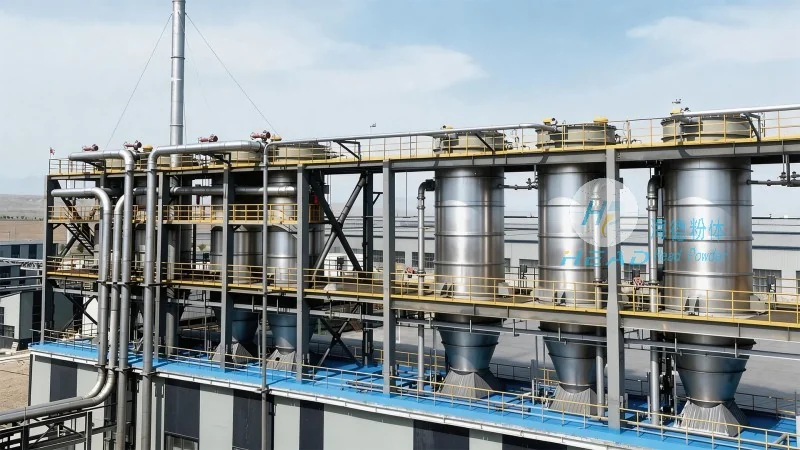
Silica fume, a byproduct of silicon metal production, is a fine powder with particle sizes typically ranging from 0.1 to 1 micron. Its high surface area and reactivity make it an essential additive in concrete, mortar, and other construction materials, enhancing strength and durability. Due to its fine particle size and potential for dust generation, handling silica fume requires specialized equipment to ensure safety and efficiency. The two primary conveying methods—positive pressure and negative pressure—address these challenges differently, each with its own set of advantages and limitations.
Positive Pressure Conveying Systems
Positive pressure conveying systems operate by blowing air or a carrier gas into the material to move it through the system. In this method, the conveying line is under positive pressure, meaning the air pressure inside the line is higher than the ambient air pressure. This approach is commonly used for transporting bulk materials like silica fume, as it can handle high volumes and long distances efficiently. The primary advantage of positive pressure systems is their ability to move materials against gravity, making them suitable for vertical or inclined transport. Additionally, positive pressure systems are generally more reliable for abrasive materials like silica fume, as they reduce the risk of material buildup or blockages in the line.
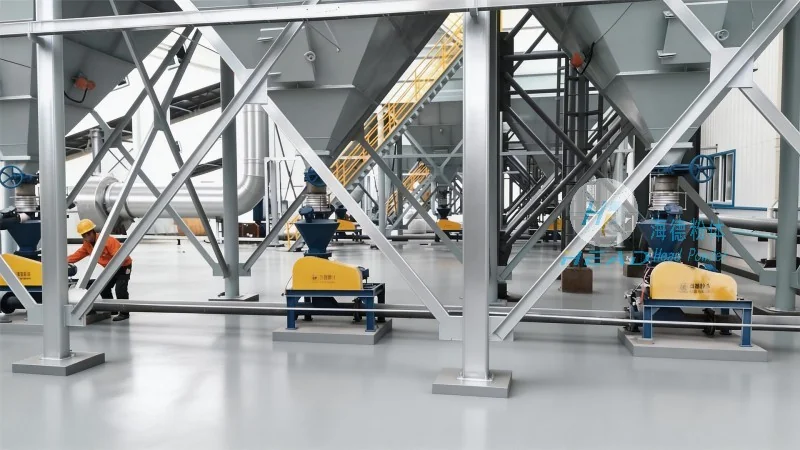
For silica fume applications, positive pressure systems often use a combination of air and the material itself as the conveying medium. The system typically includes a blower, a hopper, and a series of pipes with valves and filters. The blower creates the necessary pressure to push the material through the line, while the hopper stores the silica fume and feeds it into the system. The pipes are designed to minimize friction and maintain consistent flow, ensuring that the material reaches its destination without loss or degradation. A key benefit of positive pressure systems is their ability to handle high concentrations of material, which is important for maintaining the quality of silica fume during transport.
Negative Pressure Conveying Systems
Negative pressure conveying systems, also known as vacuum systems, operate by creating a vacuum in the conveying line to draw material from the source. In this method, the line is under negative pressure, meaning the air pressure inside the line is lower than the ambient air pressure. This approach is often used for applications where the material needs to be collected from a wide area or where the source is at a higher elevation than the destination. The primary advantage of negative pressure systems is their ability to handle fine powders without generating excessive dust, as the vacuum draws the material into the line rather than blowing it out.
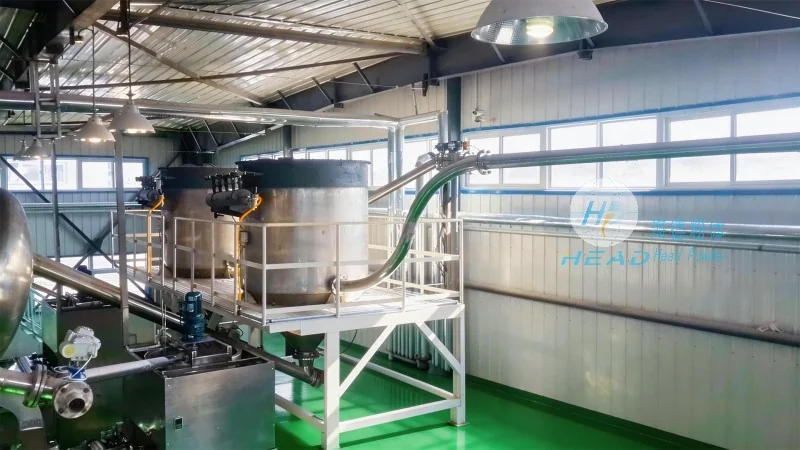
For silica fume, negative pressure systems use a vacuum pump to create the necessary suction. The system includes a hopper, a series of pipes with filters, and a collection tank at the destination. The vacuum pump draws the silica fume from the hopper and moves it through the pipes to the collection point. Unlike positive pressure systems, negative pressure systems are generally quieter and produce less noise, making them suitable for applications where noise control is a concern. However, negative pressure systems may be less efficient for long-distance or high-volume transport, as the vacuum can cause material to stick to the walls of the pipes, leading to blockages or reduced flow.
Key Factors to Consider When Choosing Between Positive and Negative Pressure Systems
When deciding between positive and negative pressure conveying systems for silica fume, several factors must be considered. The first factor is the distance and elevation change between the source and destination. Positive pressure systems are better suited for vertical or inclined transport, as they can push material against gravity. Negative pressure systems are more effective for horizontal or slightly inclined transport, as the vacuum draws the material along the line. The second factor is the volume and concentration of the material. Positive pressure systems are ideal for high-volume applications, while negative pressure systems may be more suitable for low-volume or fine powders.
The third factor is the need for dust control and safety. Positive pressure systems may generate more dust during transport, as the air is blown out of the line, which can pose a health risk. Negative pressure systems, on the other hand, draw the material into the line, reducing dust emissions and improving safety. The fourth factor is the cost and maintenance requirements. Positive pressure systems typically require more powerful blowers and may have higher energy costs, while negative pressure systems may require more maintenance for the vacuum pump and filters. Ultimately, the choice between positive and negative pressure systems depends on the specific application and the priorities of the manufacturer.
Conclusion and Recommendations
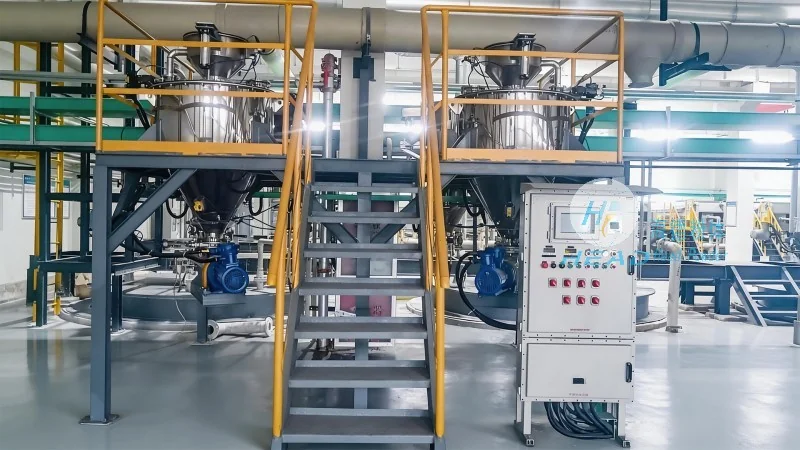
Choosing between positive and negative pressure conveying systems for silica fume requires a careful evaluation of the specific needs of the application. Positive pressure systems are generally more efficient for high-volume and vertical transport, while negative pressure systems are better suited for fine powders and applications where dust control is a priority. The choice also depends on factors such as distance, elevation, and safety requirements. For silica fume handling, it is often recommended to start with a positive pressure system for its reliability and efficiency, and to consider a negative pressure system if dust control or noise reduction is a critical concern.
As a leading provider of silica fume handling solutions, Shandong HeadPowder Engineering Co., Ltd. specializes in designing and manufacturing conveying systems tailored to the unique needs of silica fume applications. With years of experience in the industry, HeadPowder offers a range of positive and negative pressure systems that meet the highest standards of performance and safety. Whether you need a system for vertical transport or a vacuum system for fine powders, HeadPowder can provide the solution that best fits your requirements. Contact HeadPowder today to learn more about our conveying systems and how we can help improve your silica fume handling operations.




