When it comes to transporting activated carbon granules, selecting the right conveying method is crucial for efficiency, safety, and operational costs. Two primary approaches are widely used: positive pressure conveying and negative pressure conveying. Understanding the differences between these two systems is essential for making an informed decision that aligns with specific process requirements. This article, brought to you by Shandong HeadPowder Engineering Co., Ltd., will explore the key factors that influence the choice between positive and negative pressure systems, helping you distinguish the most suitable option for your application.
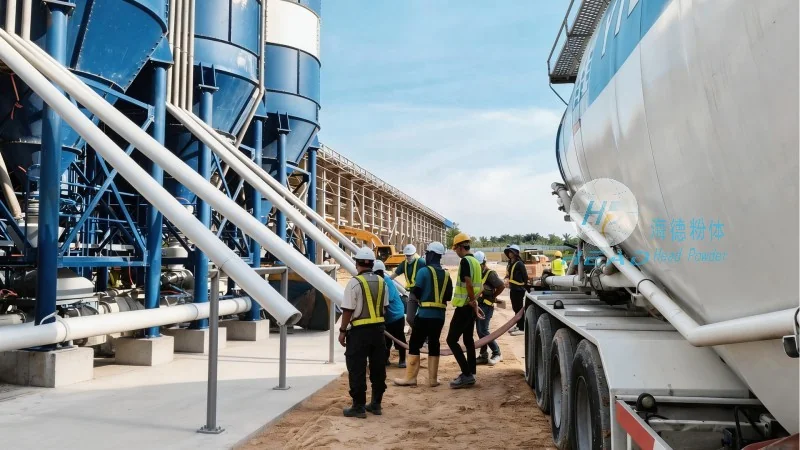
Understanding the Basics of Conveying Systems
Conveying systems are designed to move bulk materials like activated carbon granules from one location to another within industrial processes. The choice of system depends on several factors, including material properties, distance, volume, and environmental considerations. Positive pressure and negative pressure conveying represent two distinct mechanisms for material transport, each with its own advantages and limitations.
Positive Pressure Conveying Systems
Positive pressure conveying systems operate by blowing air or gas into a sealed pipeline, creating a pressure higher than the ambient air pressure. This pressure forces the material to move through the pipeline. The system typically includes a blower or compressor, a hopper or feeder, and a pipeline network. The material is carried by the air stream, and the air is often filtered and recycled to maintain efficiency and safety. This method is particularly effective for transporting materials that are dusty or have a tendency to create dust, as the sealed system prevents emissions from escaping into the environment.
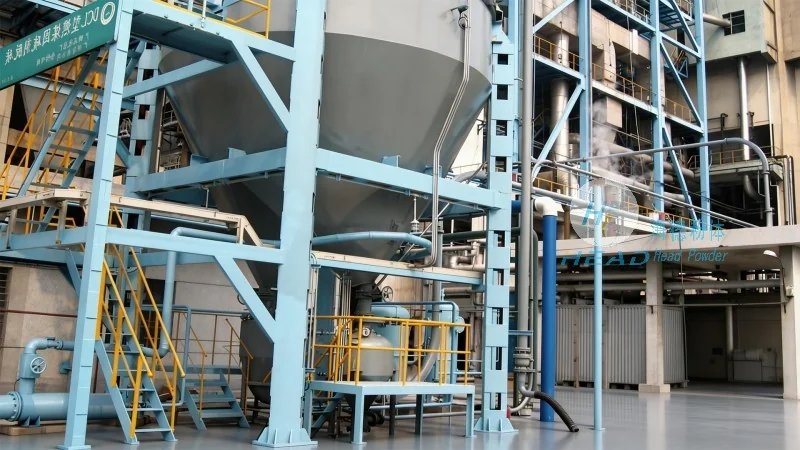
Key Features of Positive Pressure Conveying
Positive pressure systems are known for their high conveying capacity and ability to handle long distances. They can transport materials at high velocities, which helps in maintaining the material's integrity and preventing clogging. The sealed nature of the system also reduces the risk of dust contamination and improves workplace safety. However, these systems require more energy to operate due to the need to maintain higher pressure levels. Additionally, they may be more complex to install and maintain, as they involve more components like blowers and filtration systems.
Negative Pressure Conveying Systems
Negative pressure conveying, also known as suction or vacuum conveying, works by creating a vacuum in the pipeline, which draws the material into the system. The material is then transported by the air flow created by a vacuum pump. This method is often used for shorter distances and smaller volumes of material. Unlike positive pressure systems, negative pressure systems do not require a sealed pipeline, as the vacuum pulls the material in from the source.
Key Features of Negative Pressure Conveying
Negative pressure systems are generally more energy-efficient compared to positive pressure systems, as they operate at lower pressure levels. They are suitable for handling materials that are less dusty or require a gentler transport method. However, they have limitations in terms of conveying distance and capacity. The vacuum can cause material to degrade or degrade in quality if the system is not properly designed. Additionally, negative pressure systems may be more prone to clogging due to the lower air velocity compared to positive pressure systems.
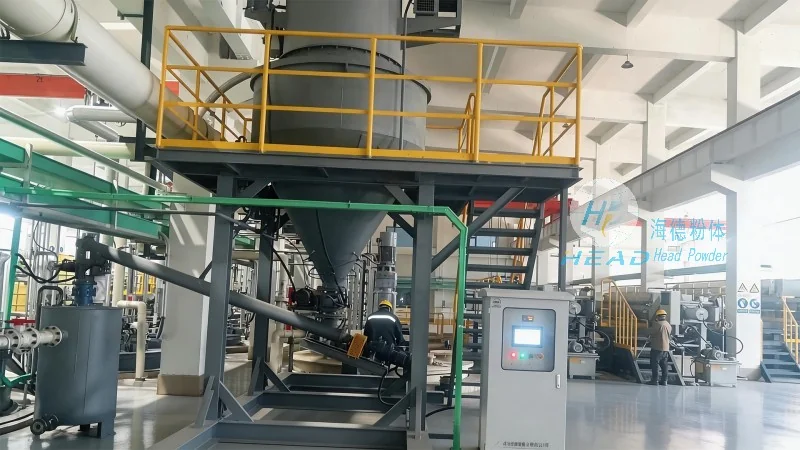
Distinguishing Between Positive and Negative Pressure Systems
When deciding between positive and negative pressure conveying for activated carbon granules, several factors need to be considered. The first is the distance and volume of material to be transported. Positive pressure systems are better suited for longer distances and higher volumes, while negative pressure systems are ideal for shorter distances and smaller quantities. The second factor is the material's properties, such as dustiness and particle size. Positive pressure systems are preferred for dusty materials, as they can handle higher air velocities and prevent dust emissions. Negative pressure systems may be more suitable for less dusty materials or those that require a gentler handling approach.
Energy Efficiency and Operational Costs
Energy consumption is a significant consideration when choosing between positive and negative pressure systems. Positive pressure systems typically consume more energy due to the higher pressure required to move the material. Negative pressure systems, on the other hand, operate at lower energy levels, making them more cost-effective for shorter distances. However, the initial investment for negative pressure systems may be higher due to the need for vacuum pumps and additional filtration components. Over the long term, the operational costs of negative pressure systems may be lower, especially for applications with lower material volumes.
Environmental and Safety Considerations
Environmental regulations and workplace safety are critical factors in selecting a conveying system. Positive pressure systems are generally more environmentally friendly as they prevent dust emissions from escaping into the environment. They are often equipped with filtration systems that capture dust particles, reducing air pollution. Negative pressure systems, while effective for some applications, may release dust into the environment if not properly sealed, posing health risks to workers. Therefore, positive pressure systems are often preferred in environments where air quality and worker safety are paramount.
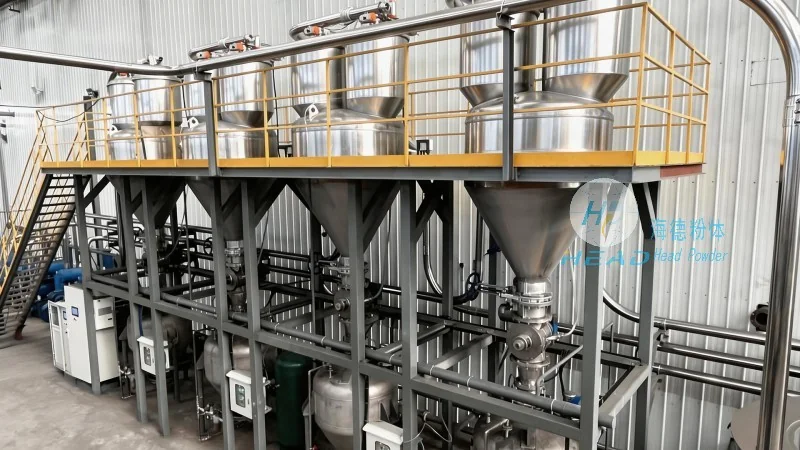
Application Examples and Case Studies
Real-world applications can provide valuable insights into the effectiveness of each system. For instance, in large-scale activated carbon production facilities, positive pressure conveying is commonly used to transport granules from storage silos to processing units over long distances. This ensures consistent material flow and reduces the risk of dust contamination. In contrast, negative pressure systems are often used in smaller-scale operations or for transporting activated carbon to smaller processing units over shorter distances. These systems are particularly useful in applications where the material is less dusty and requires a gentler handling approach.
Conclusion: Making the Right Choice
Choosing between positive pressure and negative pressure conveying for activated carbon granules requires a careful evaluation of several factors, including distance, volume, material properties, energy efficiency, and environmental considerations. Positive pressure systems offer high capacity and effective dust control, making them suitable for large-scale operations. Negative pressure systems, while more energy-efficient for shorter distances, may be limited in terms of capacity and dust handling. Ultimately, the best choice depends on the specific requirements of your application. By understanding the differences between these two systems and considering the key factors mentioned above, you can make an informed decision that optimizes efficiency, safety, and cost-effectiveness.




