Copper sulfate, a widely used chemical in various industrial applications, often requires efficient and safe transportation from production sites to end-users. The choice between positive pressure and negative pressure systems for copper sulfate transport is a critical decision that impacts operational efficiency, safety, and cost-effectiveness. This article explores the key differences between these two transport methods and provides guidance on how to determine the most suitable approach for copper sulfate handling.
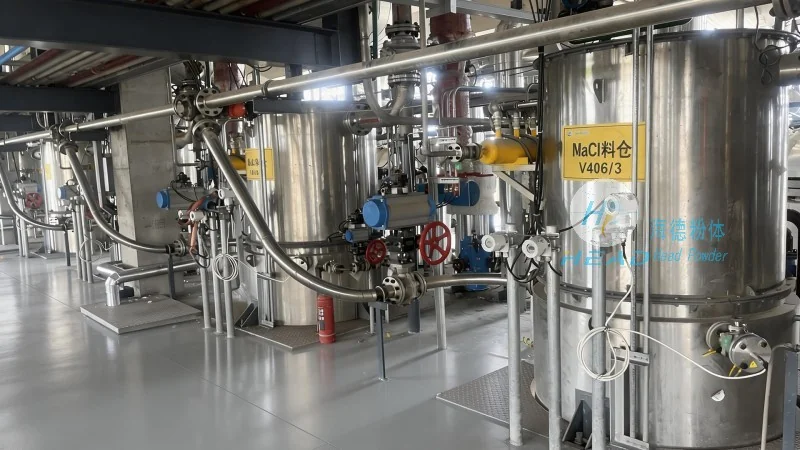
Introduction to Copper Sulfate Transport Systems
Copper sulfate, commonly known as bluestone, is a chemical compound used in agriculture, water treatment, and industrial processes. Its transport requires specialized equipment to ensure that the material is handled safely and without degradation. Two primary methods are commonly employed: positive pressure transport and negative pressure transport. Understanding the characteristics of each system is essential for selecting the right solution for a specific application.
Positive Pressure Transport Systems
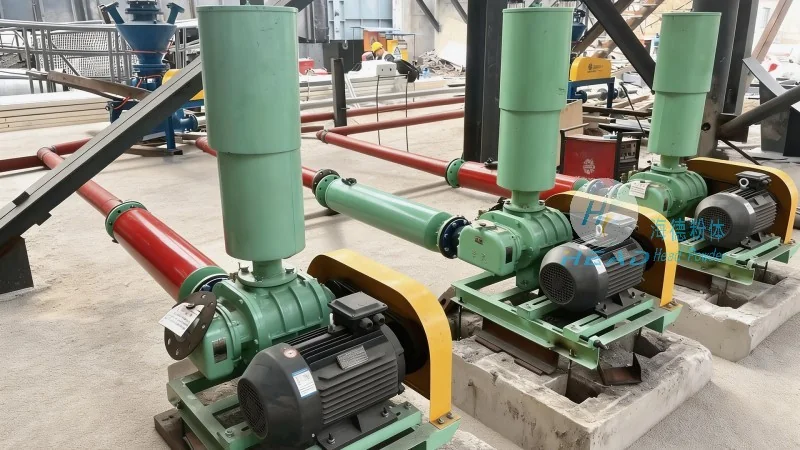
Positive pressure transport systems utilize compressed air or other gases to force the copper sulfate material through a pipeline or conveyor system. This method ensures that the material is continuously moved forward, preventing blockages and maintaining a consistent flow rate. The system typically includes a blower or compressor that generates the necessary pressure to push the material through the transport line. Positive pressure systems are often preferred for applications where the material is abrasive or has a high risk of clogging, as the continuous pressure helps to keep the material in motion.
Key advantages of positive pressure transport include high efficiency in moving bulk materials, reduced risk of material degradation due to minimal contact with air, and the ability to handle materials with higher moisture content. However, these systems may require more energy to operate and can be more complex to maintain, especially in terms of air filtration and pressure regulation.
Negative Pressure Transport Systems
Negative pressure transport, also known as suction or vacuum transport, uses a vacuum to draw the copper sulfate material into a collection system or transport line. This method relies on a vacuum pump to create a pressure differential that pulls the material from the source to the destination. Negative pressure systems are often used in applications where the material is light and can be easily drawn into the system, or where the source is at a higher elevation than the destination.
Advantages of negative pressure transport include lower energy consumption compared to positive pressure systems, as the vacuum pump only needs to maintain a partial vacuum rather than generate high pressure. This can lead to cost savings in energy and equipment maintenance. However, negative pressure systems may be less effective for handling dense or abrasive materials, as the vacuum may not provide sufficient force to move the material through the line without additional assistance.
Distinguishing Between Positive and Negative Pressure Systems
When deciding between positive and negative pressure transport for copper sulfate, several factors should be considered. The first is the physical properties of the material, such as its density, moisture content, and tendency to clog. Materials with high density or a tendency to agglomerate may require the higher pressure of a positive system to ensure smooth transport. Conversely, lighter materials or those with low abrasiveness may be suitable for negative pressure systems.
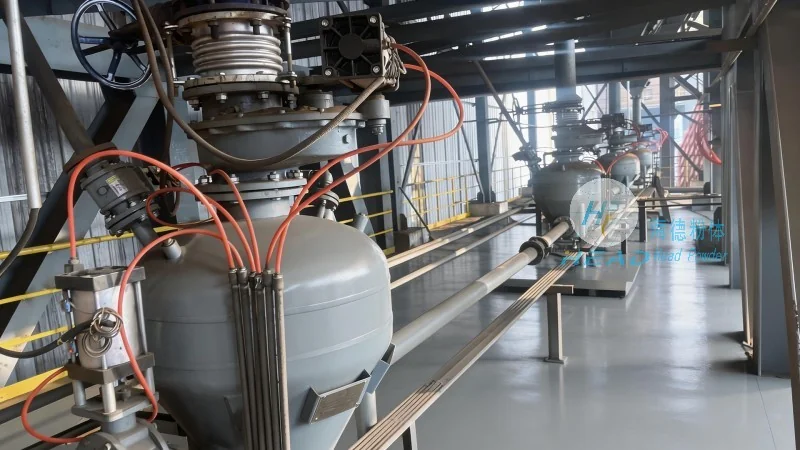
The second factor is the distance and elevation changes between the source and destination. Positive pressure systems are generally more effective for longer distances or when the destination is at a lower elevation than the source, as the pressure can overcome gravity and friction. Negative pressure systems are better suited for shorter distances or when the source is at a higher elevation, as the vacuum can pull the material upward.
Third, the operational environment and safety considerations play a role. Positive pressure systems may be preferred in environments where there is a risk of dust or fumes, as the sealed system prevents exposure. Negative pressure systems, while less energy-intensive, may require additional safety measures to prevent the ingress of contaminants or to ensure proper ventilation.
Case Study: HeadPowder Engineering's Approach to Copper Sulfate Transport
Shandong HeadPowder Engineering Co., Ltd., a leading provider of bulk material handling solutions, specializes in designing and implementing customized transport systems for copper sulfate and other chemicals. With operations based in Shandong, China, HeadPowder has extensive experience in evaluating the specific needs of clients and selecting the most appropriate transport method. The company's engineers conduct thorough assessments of material properties, site conditions, and operational requirements to recommend optimal solutions.
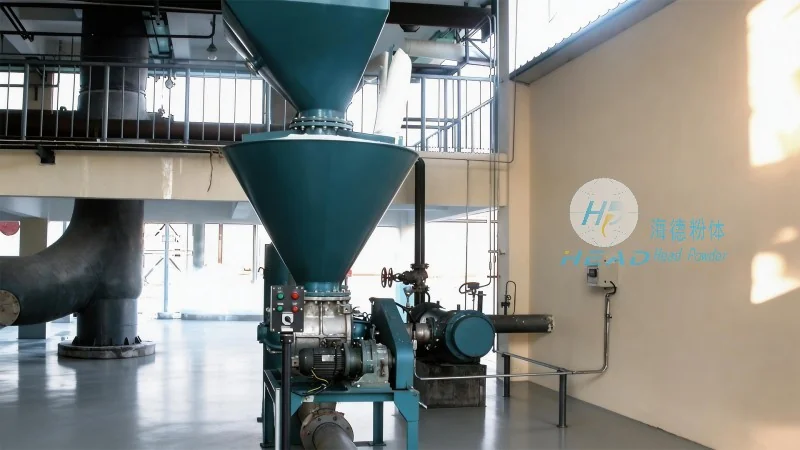
For example, a client in the agricultural sector required the transport of copper sulfate from a production plant to a distribution center located at a lower elevation. HeadPowder engineers determined that a positive pressure system would be most effective due to the material's density and the distance involved. The system was designed with a high-capacity blower and a robust pipeline to ensure consistent flow and minimal clogging. The implementation resulted in improved efficiency and reduced downtime for the client.
In another case, a water treatment facility needed to transport copper sulfate from a storage tank to a treatment plant at a higher elevation. HeadPowder recommended a negative pressure system, as the material was relatively light and the distance was short. The vacuum pump was sized to maintain the necessary pressure differential, and the system was equipped with filters to prevent debris from entering the pipeline. This solution provided cost savings in energy while maintaining the required flow rate.
Conclusion and Recommendations
Choosing between positive and negative pressure transport for copper sulfate requires a careful evaluation of material characteristics, operational conditions, and safety requirements. Positive pressure systems offer high efficiency and reliability for dense or abrasive materials, while negative pressure systems provide energy savings for lighter materials and shorter distances. By considering these factors and consulting with experts like Shandong HeadPowder Engineering Co., Ltd., industrial facilities can select the most suitable transport method to optimize their copper sulfate handling processes.




