When it comes to transporting dried chili, selecting the right type of pneumatic conveying system is crucial for efficiency, cost-effectiveness, and product integrity. Two primary methods are commonly considered: positive pressure conveying and negative pressure conveying. Understanding the differences between these systems is essential for making an informed decision that aligns with operational needs and product characteristics.
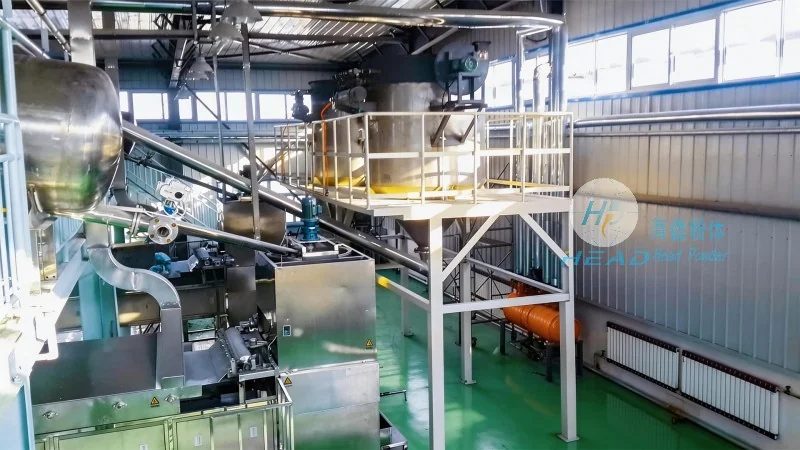
Understanding Positive Pressure Conveying for Dried Chili
Positive pressure conveying, also known as pressure conveying, operates by blowing air or a carrier gas into a sealed system to move material. In this method, the conveying line is under positive pressure, which pushes the material forward. This approach is often preferred for applications involving abrasive or high-density materials like dried chili, as it minimizes particle degradation and ensures consistent flow. The system typically includes a blower or compressor that generates the necessary pressure to transport the material from the source to the destination.
For dried chili, positive pressure conveying is particularly effective when dealing with large volumes or when the material needs to be transported over longer distances. It offers better control over the conveying process, reducing the risk of blockages and ensuring that the product remains in good condition throughout the transport. Additionally, this method is suitable for applications where the material may be sensitive to moisture or contamination, as the sealed system helps maintain product quality.
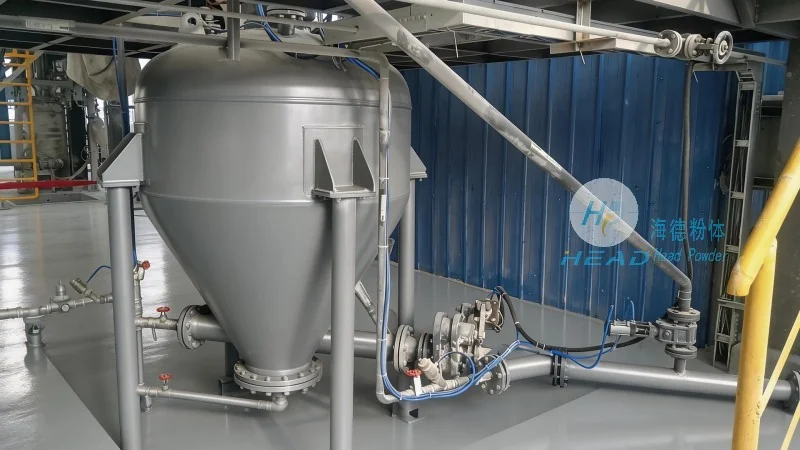
Exploring Negative Pressure Conveying for Dried Chili
Negative pressure conveying, or vacuum conveying, works by creating a vacuum in the system to draw material into the conveying line. The material is pulled by the vacuum created by a vacuum pump, which then transports it to the desired location. This method is often used for lighter, less dense materials or when the conveying distance is shorter. Negative pressure systems are generally more energy-efficient for shorter distances and can be more cost-effective for smaller-scale operations.
When considering negative pressure conveying for dried chili, it's important to evaluate the material's properties. Dried chili, being relatively light and dry, may be suitable for vacuum conveying, especially in applications where the distance between the source and destination is limited. However, this method may not be as effective for abrasive or high-volume applications, as the vacuum can sometimes lead to material degradation or increased wear on the system components.
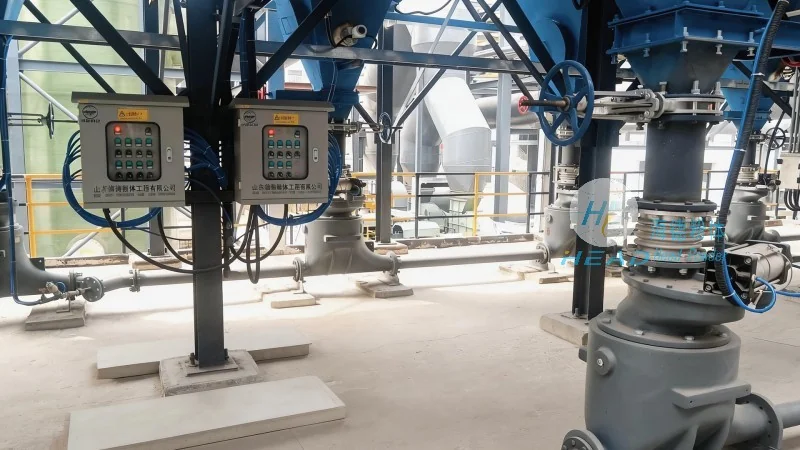
Distinguishing Between the Two Systems
The key differences between positive and negative pressure conveying for dried chili lie in their operational principles, energy consumption, and suitability for different material characteristics. Positive pressure systems are generally more robust and suitable for high-volume, long-distance transport, while negative pressure systems are better suited for shorter distances and lighter materials. Another critical factor is the impact on product quality. Positive pressure conveying tends to preserve the physical integrity of the dried chili better, as the material is not subjected to the same level of stress as in a vacuum system.
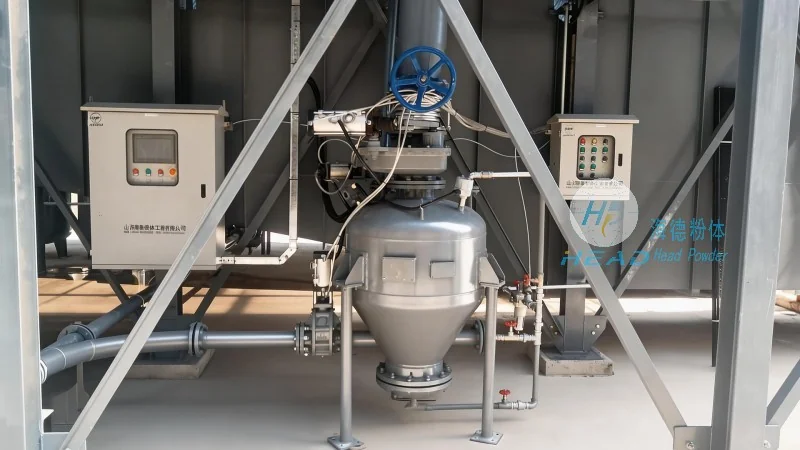
From an operational perspective, positive pressure systems require more maintenance due to the higher pressure and potential for wear on components like blowers and seals. Negative pressure systems, on the other hand, are simpler to install and maintain, but they may need more frequent cleaning to prevent dust accumulation and blockages. The choice between the two ultimately depends on the specific requirements of the dried chili processing facility, including the volume of material to be transported, the distance involved, and the desired level of product protection.
Conclusion and Recommendations
Choosing between positive and negative pressure conveying for dried chili requires a careful assessment of operational needs, material characteristics, and cost considerations. Positive pressure conveying is often the preferred option for high-volume, long-distance transport of dried chili, as it offers better control, product integrity, and durability. Negative pressure conveying may be more appropriate for smaller-scale operations or shorter distances where energy efficiency is a priority. By understanding the distinct advantages and limitations of each system, processing facilities can select the most effective conveying method to enhance efficiency and maintain product quality.




