When it comes to efficient and reliable material handling in industrial settings, air-driven conveying systems have emerged as a preferred solution for transporting fine sand, stone, and similar granular materials. This article explores the fundamental principles behind such systems and highlights key working scene characteristics that make them indispensable in various applications.
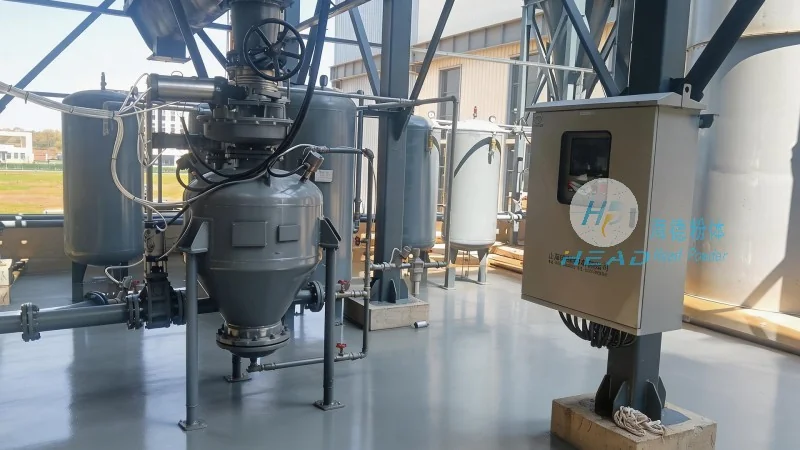
Understanding the Core Principle of Air-Driven Conveying for Fine Sand and Stone
At the heart of air-driven material conveying is the use of air pressure or vacuum to move bulk materials through a pipeline. For fine sand and stone, which are typically lightweight and can be prone to dust generation, this method offers several advantages over traditional mechanical conveyors. The system operates by creating a flow of air within a sealed pipeline, which then pulls or pushes the material along. This process minimizes material degradation, reduces the risk of contamination, and allows for long-distance transport with minimal maintenance.
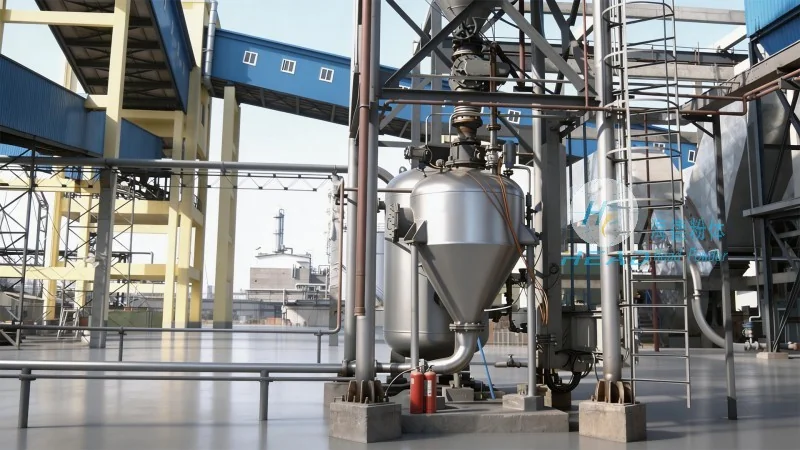
Key Working Scene Characteristics of Air-Driven Fine Sand and Stone Conveying Lines
The effectiveness of air-driven conveying lines is heavily influenced by specific working scene characteristics that must be considered during system design and implementation. These characteristics include the material's particle size distribution, moisture content, and density, as well as the required conveying distance and throughput. For instance, in applications involving fine sand, the system must be designed to handle high dust loads while maintaining efficient material transport. Similarly, stone materials, which may have irregular shapes and varying sizes, require adjustments to the air velocity and pipeline diameter to ensure smooth operation. Additionally, the working environment, such as the presence of other equipment or the need for dust control measures, plays a crucial role in determining the optimal conveying configuration.
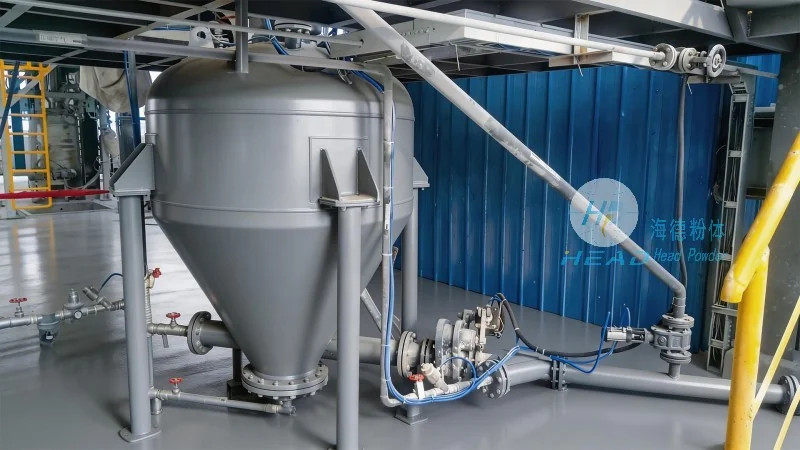
Applications and Industries Benefiting from Air-Driven Conveying Systems
Air-driven fine sand and stone conveying lines find widespread application across multiple industries, including construction, mining, and manufacturing. In the construction sector, these systems are commonly used for transporting sand, gravel, and other aggregates from storage silos to mixing plants or job sites. The ability to handle large volumes of material with minimal labor makes them ideal for high-volume projects. In the mining industry, air-driven conveyors are employed to transport crushed stone and ore from processing facilities to storage areas or for further processing. The system's ability to operate in dusty environments without compromising material quality is particularly valuable in such settings. Furthermore, in manufacturing processes that involve the handling of fine powders or granules, air-driven conveying lines ensure a consistent and controlled flow of materials, reducing downtime and improving overall production efficiency.
Advantages of Air-Driven Conveying Over Traditional Methods
Compared to traditional mechanical conveyors, air-driven systems offer several distinct advantages that make them a preferred choice for fine sand and stone handling. One of the most significant benefits is the reduced risk of material degradation. Since the material is not subjected to mechanical stress or friction, its quality remains intact, which is critical for applications where the material's properties are essential. Additionally, air-driven conveyors are more flexible in terms of layout and can be easily reconfigured to accommodate changes in production needs. This adaptability is particularly valuable in dynamic industrial environments where processes may evolve over time. Furthermore, the system's ability to handle dusty and potentially hazardous materials without the need for additional containment measures reduces operational costs and improves workplace safety. The low maintenance requirements of air-driven systems also contribute to their overall cost-effectiveness, as they typically require fewer repairs and replacements compared to mechanical conveyors.
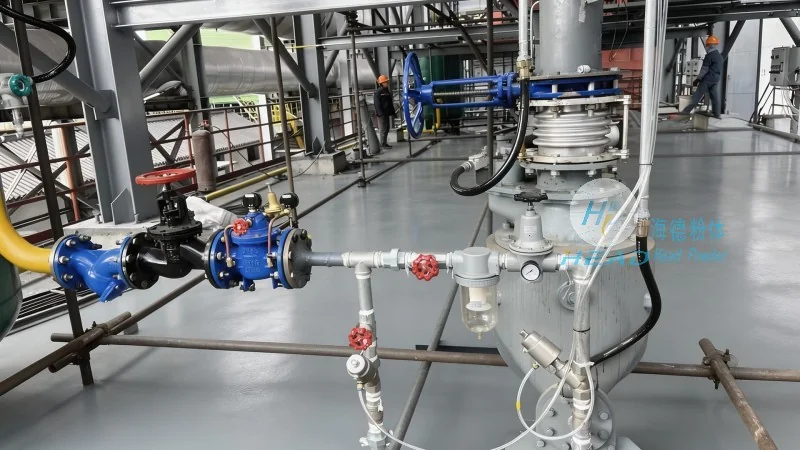
Customization and Integration with Existing Systems
Shandong HeadPowder Engineering Co., Ltd., a leading provider of material handling solutions, specializes in designing and manufacturing air-driven conveying lines tailored to the specific needs of each client. The company's expertise lies in understanding the unique working scene characteristics of different applications and developing customized solutions that optimize material transport efficiency. Whether it's a new construction project or an upgrade to an existing system, HeadPowder engineers work closely with clients to assess their requirements and recommend the most suitable conveying configuration. The company's commitment to quality and innovation ensures that each system is built to withstand the demands of industrial environments while delivering reliable performance. By integrating air-driven conveying lines with existing infrastructure, such as storage silos or processing equipment, HeadPowder helps clients achieve seamless material flow and improve overall operational efficiency.




