HeadPowder, a leading engineering company based in Shandong, China, specializes in the design and implementation of pneumatic conveying systems tailored for glass powder handling. This article explores the fundamental principles behind pneumatic conveying technology and highlights key application scenarios where such systems are particularly effective for glass powder materials.
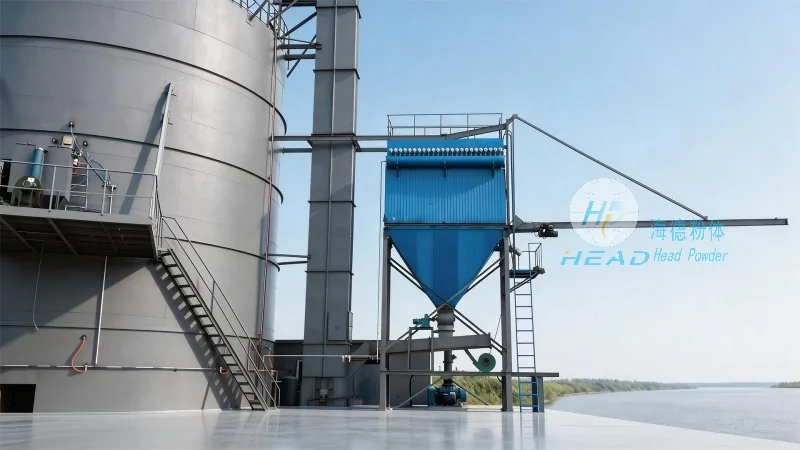
The Core Principles of Pneumatic Conveying
Pneumatic conveying is a method of transporting bulk materials, including glass powders, through a pipeline using a gas stream, typically air. The process can be categorized into two main types: aspiration (or suction) systems and pressure (or blow) systems. In aspiration systems, a vacuum is created at the material inlet to draw the powder into the pipeline. This approach is ideal for applications requiring gentle material handling, as it minimizes particle breakage and degradation. Conversely, pressure systems use compressed air to push the material through the pipeline, offering higher conveying rates and the ability to handle more abrasive or dense materials.
A third, hybrid approach is the combined or mixed flow system, which utilizes both vacuum and pressure to achieve optimal conveying performance. This flexibility allows engineers to adapt the system to specific material characteristics and operational requirements. The choice of system type depends on factors such as material properties (e.g., particle size, density, moisture content), conveying distance, and the need for dust control or environmental compliance.
Key Working Scenarios for Glass Powder Pneumatic Conveying
Glass powder, often used in manufacturing processes like glass production, insulation materials, or specialty coatings, presents unique challenges during handling due to its fine particle size and potential for dust generation. Pneumatic conveying systems address these challenges by providing a closed-loop transport solution that minimizes exposure to airborne particles and ensures efficient material transfer.
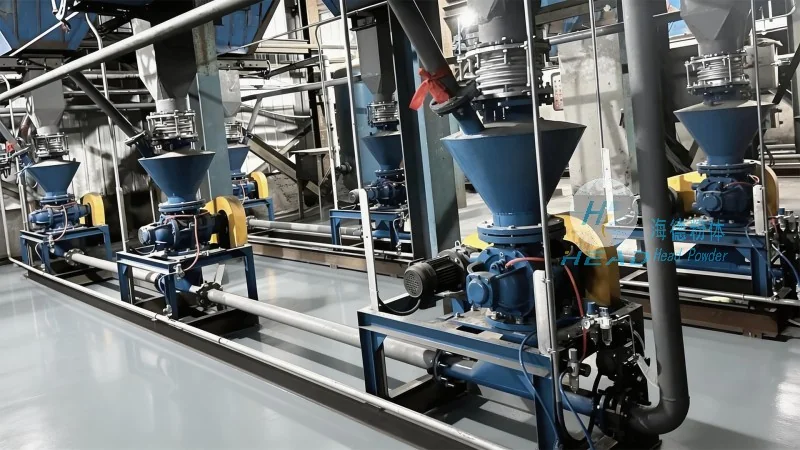
One primary application scenario is in glass manufacturing plants. Here, glass powders are used as raw materials for glass production lines, where they need to be transported from storage silos to processing equipment. Pneumatic conveying systems can efficiently move large volumes of glass powder over significant distances while maintaining consistent flow rates and preventing contamination from external sources.
Another critical scenario involves industrial processing and blending operations. Glass powders are frequently blended with other additives or binders to create composite materials. Pneumatic conveying enables precise control over the blending process by delivering glass powder in a controlled, dust-free manner. This ensures uniform mixing and improves the quality of the final product, which is essential in applications like glass fiber production or specialty glass coatings.
Additionally, environmental and safety considerations play a vital role in selecting pneumatic conveying systems for glass powder handling. Traditional bulk handling methods, such as bucket elevators or belt conveyors, can generate significant dust emissions, posing health risks to workers and environmental hazards. Pneumatic conveying systems, particularly those with closed-loop designs, effectively contain dust within the system, reducing exposure and complying with regulatory standards. This makes them an ideal choice for facilities operating in compliance with environmental regulations and prioritizing worker safety.
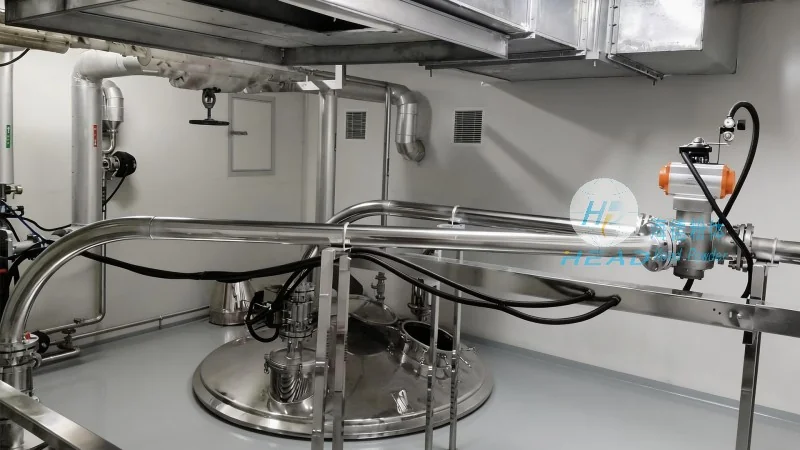
Advantages of Pneumatic Conveying for Glass Powder Materials
Implementing pneumatic conveying systems for glass powder materials offers several advantages over traditional handling methods. Firstly, gentle material handling is a key benefit. Glass powders are fragile and can easily break or agglomerate when subjected to mechanical stress. Pneumatic systems use air as the conveying medium, minimizing particle damage and preserving the material's integrity. This is crucial for maintaining the quality of the final product, especially in applications where the powder's particle size distribution is critical.
Secondly, flexibility in system design is another advantage. Pneumatic conveying systems can be configured to handle varying material characteristics and operational needs. For example, the system can be adjusted to accommodate changes in powder flow rate, conveying distance, or material composition without major modifications. This adaptability makes it suitable for dynamic industrial environments where production requirements may change over time.
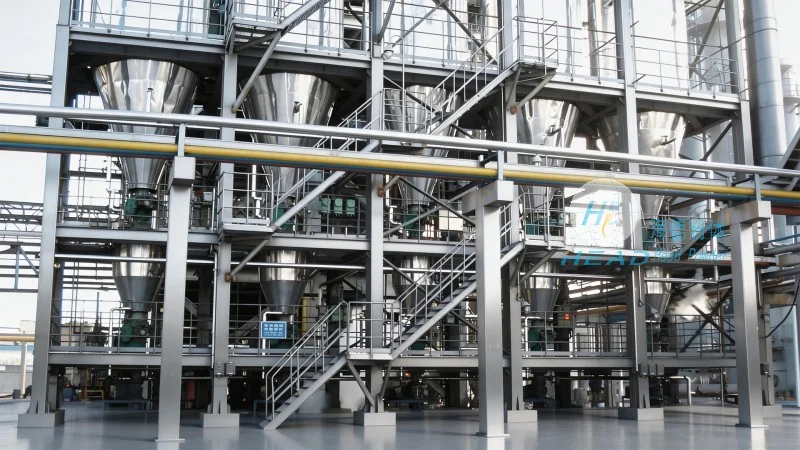
Thirdly, energy efficiency is a significant consideration. While pneumatic systems may consume more energy than some mechanical systems, modern designs incorporate energy-saving features such as variable frequency drives (VFDs) and optimized air flow control. These advancements reduce energy consumption while maintaining efficient material transport, making the system cost-effective in the long run.
Finally, space efficiency is a practical benefit, especially in facilities with limited floor space. Pneumatic conveying systems can be installed vertically or horizontally, allowing for compact layouts that maximize available space. This is particularly advantageous in glass manufacturing plants where space is often at a premium.
Conclusion
HeadPowder Engineering Co., Ltd., with its headquarters in Shandong, China, provides comprehensive solutions for pneumatic conveying systems tailored to the unique needs of glass powder materials. By leveraging the fundamental principles of pneumatic transport and adapting systems to specific application scenarios, the company ensures efficient, safe, and cost-effective material handling for its clients. Whether used in glass manufacturing, industrial blending, or other applications, pneumatic conveying remains a reliable and effective method for transporting glass powders, supporting the production of high-quality materials and maintaining compliance with industry standards.




