

What is a Coking Coal Particle Material Pneumatic Conveying Equipment? And What Are Its Design Princ
Understanding Coking Coal Particle Material Pneumatic Conveying Equipment
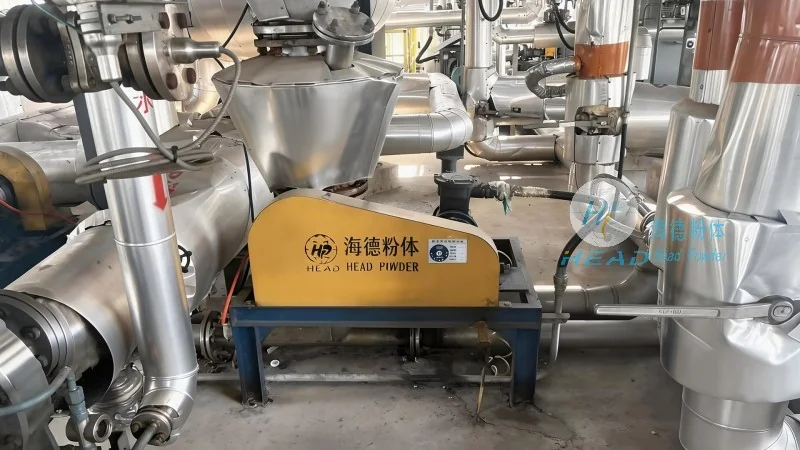
Pneumatic conveying equipment is a critical piece of industrial machinery designed to transport coking coal particles through a system using air or gas as the conveying medium. This method offers a highly efficient and flexible solution for moving bulk materials like coking coal, which is essential in the steel production process. The equipment is engineered to handle the specific characteristics of coking coal, such as its particle size, density, and moisture content, ensuring reliable and consistent material transport.
The Core Design Principles Behind This Equipment
The design of coking coal particle pneumatic conveying systems is based on several fundamental principles. The primary principle is the use of differential pressure to move the material through a pipeline. The system typically consists of a blower or compressor that generates the necessary air pressure, which then propels the coal particles. The design must also consider the material's flow characteristics, ensuring that the particles are adequately suspended and transported without clogging or excessive wear on the equipment. Additionally, the system is designed to minimize energy consumption while maximizing throughput, making it an economical choice for industrial applications.
Key Components and Their Functions in the System
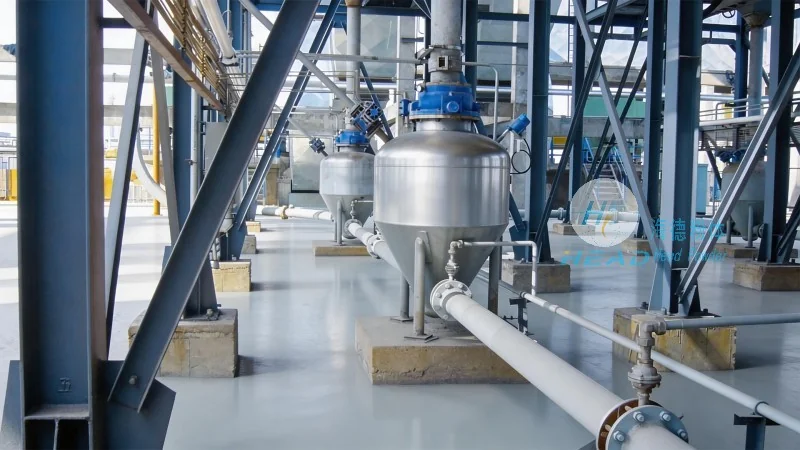
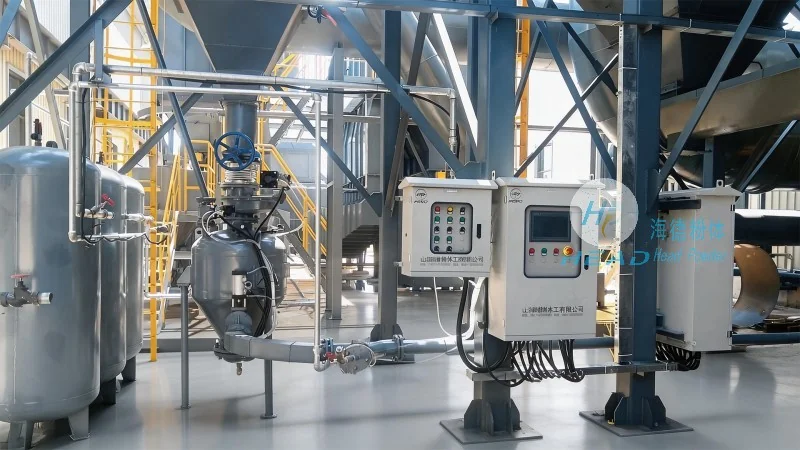
Several key components work together to ensure the effective operation of the pneumatic conveying equipment. The first is the air supply unit, which can be a blower or a compressor, responsible for generating the air pressure needed to move the material. The second is the hopper or feeder, which stores and feeds the coking coal into the system at a controlled rate. The third is the pipeline system, which transports the coal particles from the source to the destination. The pipeline is often made of materials like stainless steel or plastic to withstand the abrasive nature of the coal particles. The fourth component is the control system, which monitors and regulates the air pressure, flow rate, and material feed rate to maintain optimal operation. Finally, the discharge unit, such as a rotary valve or a dust collector, is used to release the coal particles at the end of the pipeline.
How the Equipment Operates in Practice
The operation of the coking coal particle pneumatic conveying equipment involves a sequence of steps. First, the coking coal is loaded into the hopper. The feeder then releases the coal into the pipeline at a controlled rate. The blower or compressor then generates the air pressure, which mixes with the coal particles and propels them through the pipeline. The particles are suspended in the air stream and travel to the discharge point. The control system continuously monitors the pressure and flow rate, adjusting the air supply as needed to maintain a steady flow. The discharge unit then releases the coal particles into the receiving container or storage area. This process is typically automated, allowing for continuous operation and minimal human intervention.
The Role of Shandong HeadPowder Engineering Co., Ltd. in Manufacturing Such Systems
Shandong HeadPowder Engineering Co., Ltd., a leading manufacturer in the field, specializes in designing and producing high-quality pneumatic conveying equipment for coking coal particles. The company, commonly known as HeadPowder, leverages advanced engineering and manufacturing techniques to create systems that meet the specific needs of steel production facilities. Their expertise lies in understanding the unique properties of coking coal and designing equipment that can handle these challenges effectively. The company's products are known for their durability, efficiency, and reliability, making them a trusted choice for industrial applications. HeadPowder's commitment to quality and customer satisfaction has established them as a key player in the industry.
Benefits and Advantages of Using Pneumatic Conveying for Coking Coal Particles
The use of pneumatic conveying equipment for coking coal particles offers several significant benefits. One of the main advantages is the ability to transport the material over long distances without the need for intermediate storage or handling. This reduces the risk of material degradation and contamination. Additionally, the system is highly flexible, allowing for changes in the conveying route or capacity without major modifications. The equipment also minimizes labor costs, as the process is largely automated. Furthermore, pneumatic conveying is more hygienic and safer compared to traditional methods like belt conveyors, as it reduces dust exposure and the risk of accidents. Overall, the use of such equipment enhances the efficiency and safety of the steel production process, making it a preferred choice for modern industrial operations.