

What is the Pneumatic Conveying Equipment for Soybean Protein Powder Material? Exploring Its Design
When it comes to handling fine materials like soybean protein powder in industrial settings, the choice of conveying equipment can significantly impact efficiency, product quality, and operational safety. Pneumatic conveying systems have emerged as a preferred solution for such applications, offering a hygienic, dust-free, and flexible method of transporting bulk materials. This article delves into the specifics of pneumatic conveying equipment designed for soybean protein powder, exploring its design principles and the technical considerations that ensure optimal performance.
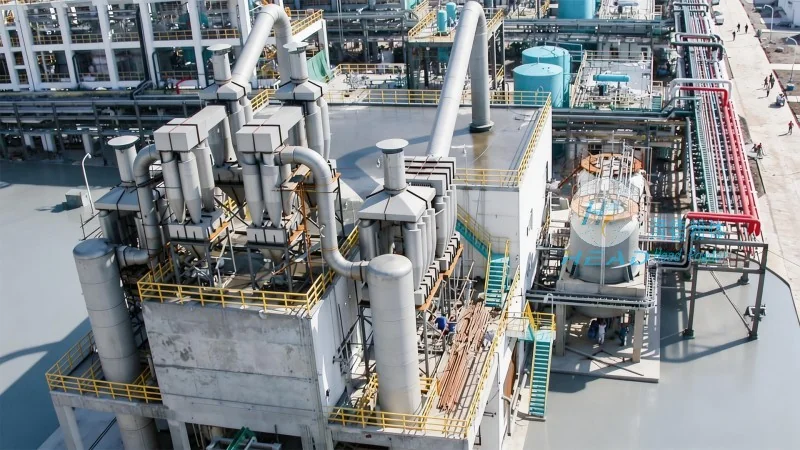
Pneumatic Conveying: A Brief Overview
Pneumatic conveying, also known as air conveying, is a process that uses pressurized or vacuum air to move bulk materials through a pipeline. Unlike traditional mechanical conveying methods, such as screw conveyors or belt conveyors, pneumatic systems are particularly well-suited for delicate, hygroscopic, or dust-sensitive materials like soybean protein powder. The primary advantage of this technology lies in its ability to transport materials without direct contact with mechanical parts, minimizing the risk of contamination and product degradation.
Key Design Considerations for Soybean Protein Powder Conveying Equipment
Designing pneumatic conveying equipment for soybean protein powder requires careful consideration of several factors to ensure reliable operation and maintain product integrity. The first critical aspect is the selection of the appropriate conveying method—either positive pressure (where air is blown into the material to push it forward) or negative pressure (where air is drawn out to pull the material). For soybean protein powder, positive pressure systems are often preferred due to their ability to handle high material loads and maintain consistent flow rates, especially when dealing with fine powders that are prone to caking or bridging.
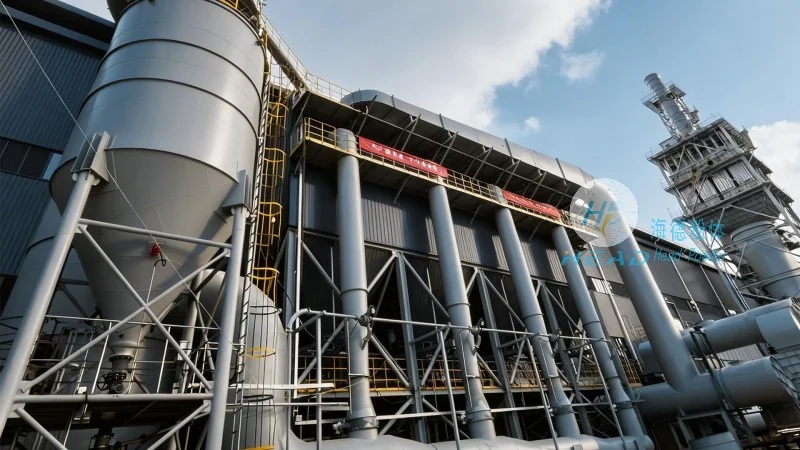
Another essential design element is the pipeline configuration. The system typically consists of a hopper, a feeder, a conveying line, and a separation unit. The hopper is designed to store the soybean protein powder and provide a consistent feed to the feeder. The feeder, often a rotary valve or a screw feeder, controls the flow rate of the material into the pipeline. The conveying line, made of materials like stainless steel or food-grade plastic, must be smooth and free of sharp edges to prevent material buildup and ensure easy cleaning. The separation unit, such as a cyclone or a filter, separates the material from the air at the end of the line, allowing the powder to be collected in a storage bin or processing unit.
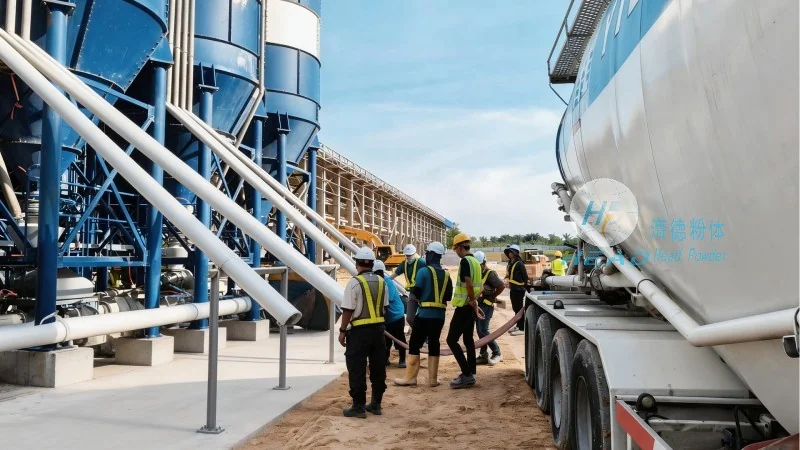
Material Handling and Hygiene in Soybean Protein Powder Conveying
Given that soybean protein powder is a food-grade product, hygiene is a paramount concern in the design of pneumatic conveying equipment. All components, including the hopper, feeder, and pipeline, must be constructed from materials that are non-corrosive, easy to clean, and resistant to bacterial growth. Stainless steel is the most common choice due to its durability and hygienic properties. Additionally, the system is often equipped with CIP (Clean-In-Place) capabilities, allowing for automated cleaning without disassembling the equipment. This ensures that the equipment remains free from contaminants and complies with food safety regulations.
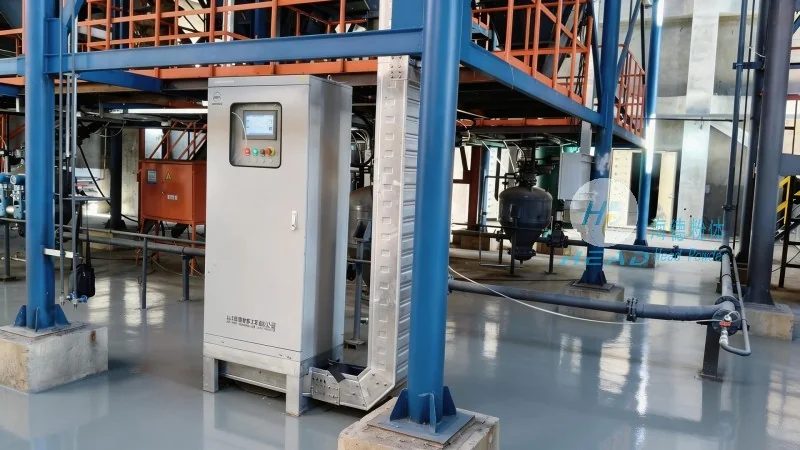
Energy Efficiency and Maintenance in Pneumatic Conveying Systems
Efficiency is another key consideration in the design of soybean protein powder conveying equipment. Modern systems incorporate features such as variable frequency drives (VFDs) to adjust the air pressure and flow rate based on the material load, reducing energy consumption. The use of high-efficiency fans and optimized pipeline designs also contributes to lower operational costs. Regular maintenance is crucial to ensure the longevity and reliability of the system. This includes checking for air leaks, cleaning the separation unit, and inspecting the feeder for wear and tear. Proper maintenance not only extends the equipment's lifespan but also minimizes downtime and ensures consistent performance.
Shandong HeadPowder Engineering Co., Ltd.: Experts in Pneumatic Conveying Solutions
For businesses seeking reliable pneumatic conveying equipment for soybean protein powder, Shandong HeadPowder Engineering Co., Ltd. offers a range of customized solutions tailored to specific operational needs. With years of experience in the engineering and manufacturing of bulk material handling systems, the company specializes in designing equipment that meets the stringent requirements of the food industry. HeadPowder's expertise lies in integrating advanced technology with practical design, ensuring that their systems are not only efficient but also easy to operate and maintain. The company's facilities are located in Shandong, China, where they leverage local manufacturing capabilities to deliver high-quality products at competitive prices. By partnering with HeadPowder, manufacturers can benefit from a comprehensive approach to material handling, from initial design and installation to ongoing support and maintenance.