

What is Limestone Material Pneumatic Conveying Equipment? And What Are Its Design Principles?
When it comes to the efficient and reliable transportation of limestone materials in industrial settings, pneumatic conveying systems have emerged as a preferred solution. These systems utilize air or gas to move bulk materials like limestone from one location to another, offering advantages such as reduced dust, improved safety, and enhanced process control. In this article, we will explore what limestone material pneumatic conveying equipment is and delve into the core design principles that underpin its functionality.
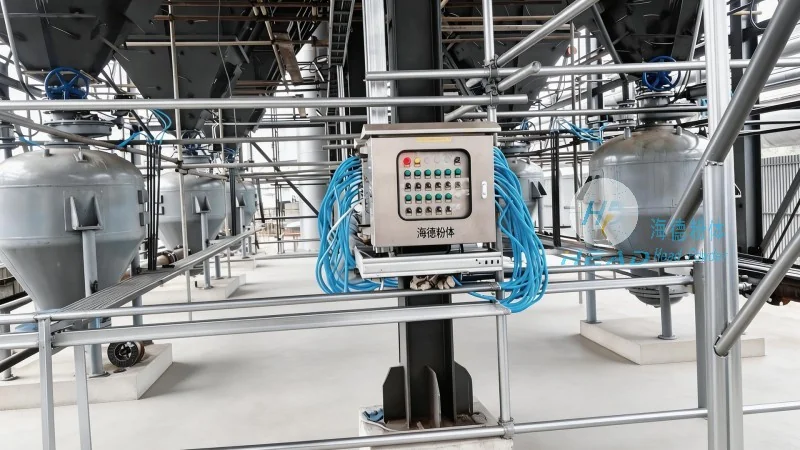
Understanding Limestone Material Pneumatic Conveying Equipment
Limestone material pneumatic conveying equipment is a specialized system designed to transport limestone particles through a pipeline using a pressurized or vacuum air stream. The equipment typically consists of several key components, including a material feeder, a conveying line, a separator, and a receiver. The material feeder is responsible for introducing the limestone into the system, while the conveying line transports the material to the desired destination. The separator then separates the limestone from the air stream, and the receiver collects the material for further processing or storage. This equipment is widely used in industries such as mining, construction, and chemical processing, where the efficient handling of limestone is critical to operational efficiency.
Key Design Principles of Limestone Pneumatic Conveying Systems
The design of limestone material pneumatic conveying equipment is governed by several fundamental principles that ensure optimal performance and reliability. The first principle is the selection of the appropriate conveying method, which can be either pressure or vacuum-based. Pressure conveying systems use compressed air to push the material through the pipeline, while vacuum systems use a vacuum to pull the material. The choice between these methods depends on factors such as the distance to be covered, the material's properties, and the system's overall cost. For limestone, which is often a dry, fine powder or granular material, pressure conveying is commonly preferred due to its ability to handle higher material loads and longer distances.
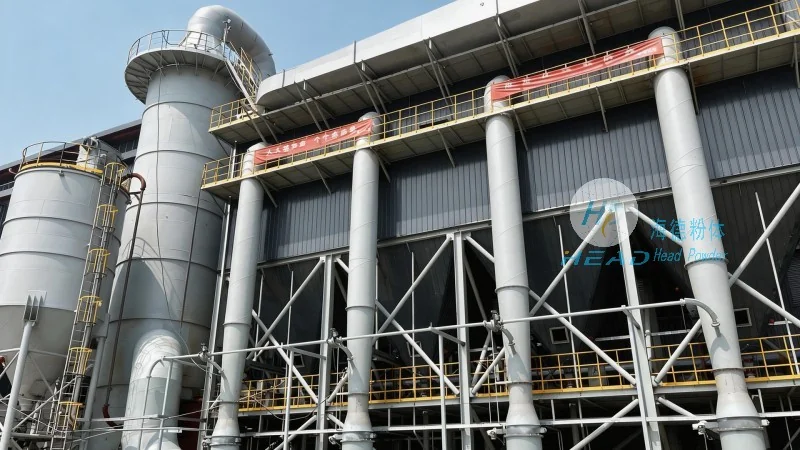
A second critical design principle is the determination of the air velocity required for effective material transport. The air velocity must be sufficient to overcome the gravitational forces acting on the limestone particles and to prevent particle deposition or clogging in the pipeline. This is typically achieved by calculating the minimum conveying velocity, which is the speed at which the air stream can carry the material without causing it to settle. For limestone, the conveying velocity is often determined based on the particle size distribution and the specific gravity of the material. Proper air velocity ensures that the material remains suspended in the air stream throughout the conveying process, minimizing the risk of blockages and ensuring consistent flow rates.
Component Design and Material Selection
Another essential aspect of the design is the selection of materials for the conveying components. Since limestone is a abrasive and corrosive material, the equipment must be constructed from durable and resistant materials to withstand wear and chemical attack. Common materials used for the pipeline and fittings include stainless steel, carbon steel, and high-density polyethylene (HDPE). The choice of material depends on factors such as the operating pressure, temperature, and the specific properties of the limestone being conveyed. For example, stainless steel is often preferred for high-pressure applications due to its strength and resistance to corrosion, while HDPE is suitable for low-pressure systems and outdoor installations.
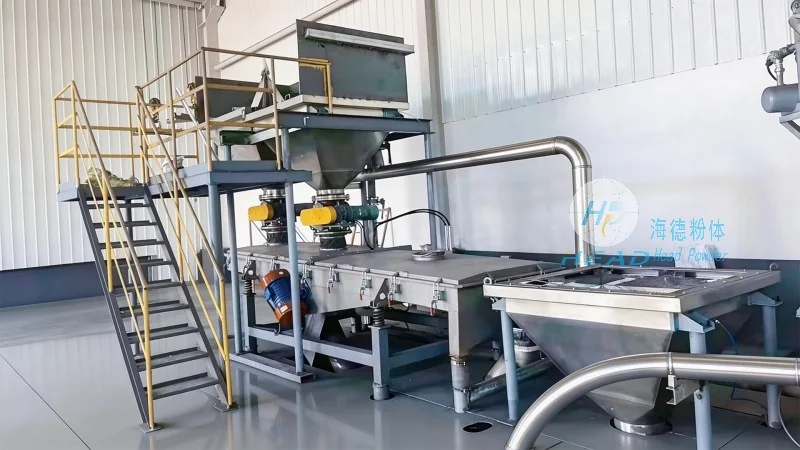
The design of the material feeder is also crucial for the smooth operation of the system. The feeder must be able to introduce the limestone into the conveying line at a consistent rate, without causing fluctuations in the material flow. This is typically achieved through the use of rotary valves, screw feeders, or vibrating feeders, which can be adjusted to control the feed rate. The feeder is designed to minimize the risk of material buildup or blockages, ensuring that the material is introduced into the system in a controlled manner. Proper feeder design is essential for maintaining the stability of the air stream and preventing surges or drops in material flow.
System Integration and Control
The integration of the limestone material pneumatic conveying equipment with other process systems is another important design consideration. The system must be able to interface with upstream and downstream equipment, such as crushers, screens, and storage silos, to form a cohesive material handling process. This integration requires careful planning to ensure that the conveying system can handle the material flow rates and pressures required by the overall process. Control systems are often incorporated into the design to monitor and regulate the operation of the equipment. These systems may include sensors to measure air pressure, flow rate, and material level, as well as controllers to adjust the feeder speed or air pressure as needed. The use of automation and control technologies enhances the reliability and efficiency of the system, allowing for real-time monitoring and adjustment to maintain optimal performance.
Advantages and Applications of Limestone Pneumatic Conveying
Limestone material pneumatic conveying equipment offers several advantages over traditional methods of material handling, such as belt conveyors or bucket elevators. One of the primary advantages is the reduction in dust generation, which improves workplace safety and reduces the risk of environmental contamination. The enclosed system also prevents material loss and cross-contamination, which is particularly important for limestone used in food or pharmaceutical applications. Additionally, pneumatic conveying systems can handle a wide range of material sizes and shapes, from fine powders to large granules, making them versatile for various limestone applications.
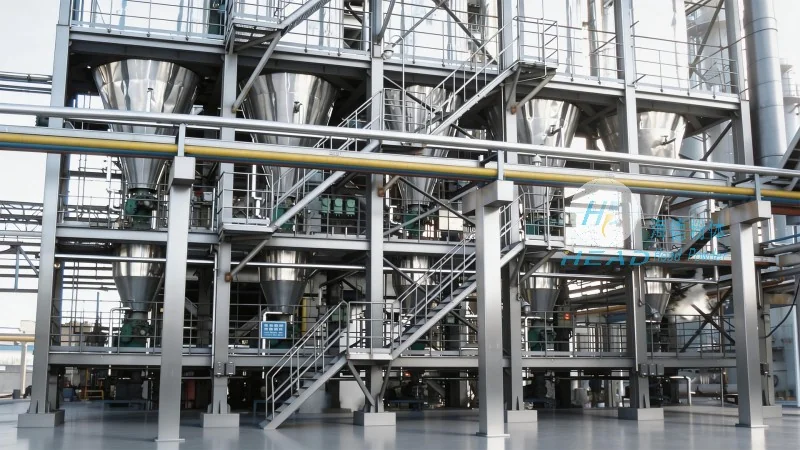
The applications of limestone material pneumatic conveying equipment are diverse and widespread. In the mining industry, these systems are used to transport limestone from mines to processing facilities, where it is crushed and processed into limestone products. In the construction industry, limestone is often used as a raw material for cement production, and pneumatic conveying systems are used to transport it from storage silos to the cement production lines. In the chemical industry, limestone is used as a filler or additive in various products, and the conveying equipment ensures that it is delivered to the production lines in a controlled manner. The equipment is also used in the food industry for the transport of limestone used as a dietary supplement or in the production of limestone-based products.
Conclusion
In conclusion, limestone material pneumatic conveying equipment is a sophisticated system designed to efficiently transport limestone materials in industrial applications. The design principles, including the selection of the conveying method, air velocity, material components, and system integration, are critical to ensuring the system's performance and reliability. The equipment offers significant advantages over traditional material handling methods, including reduced dust, improved safety, and enhanced process control. As industries continue to seek more efficient and sustainable material handling solutions, limestone pneumatic conveying systems remain a valuable and widely used technology. Shandong HeadPowder Engineering Co., Ltd., based in China, specializes in the design and manufacturing of such equipment, providing reliable solutions for the transportation of limestone and other bulk materials.