

What is a Sand Particle Material Pneumatic Conveying Equipment? And What Are Its Design Principles?
HeadPowder, a leading manufacturer based in Shandong, China, specializes in the design and production of pneumatic conveying equipment tailored for handling sand and other granular materials. This equipment is essential in various industrial applications where efficient and reliable material transport is critical. The following sections will explore the fundamental aspects of such equipment and its underlying design principles.
Types of Pneumatic Conveying Systems
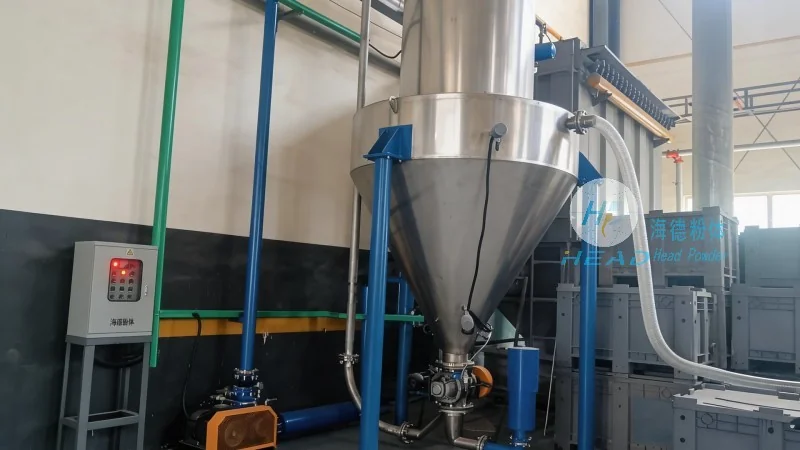
There are primarily two types of pneumatic conveying systems used for transporting sand particle materials: the suction type and the pressure type. The suction system operates by creating a negative pressure in the conveying line to draw material from the source. This method is suitable for short-distance transport and is often used in applications where the material is located above the conveying line. Conversely, the pressure system uses positive pressure to push material through the pipeline, making it ideal for longer distances and when the material is located below the conveying line. Both systems are designed to handle the specific characteristics of sand particles, such as their size, density, and flowability.
Design Principles for Pneumatic Conveying Equipment
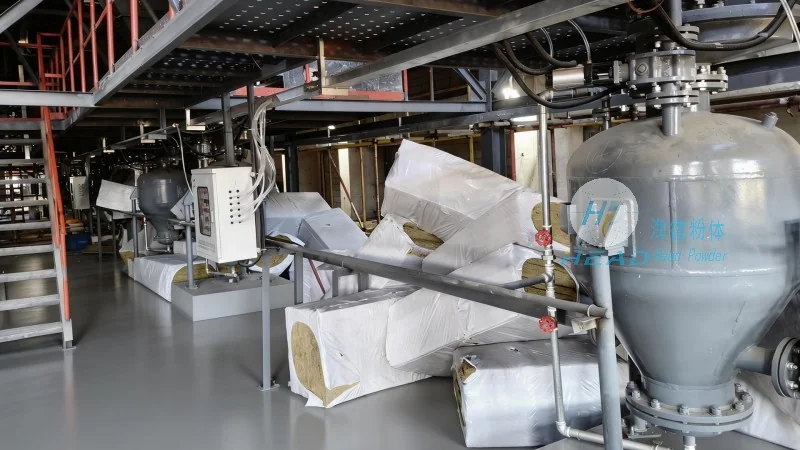
The design of pneumatic conveying equipment for sand particle materials involves several key considerations to ensure optimal performance and efficiency. First, the selection of the appropriate air source is crucial. This includes determining the required air pressure and flow rate, which directly impacts the conveying capacity. The air source typically consists of a blower or compressor, matched with a filter and regulator to maintain consistent air quality and pressure. Next, the pipeline design plays a vital role. The diameter and length of the pipeline are carefully calculated based on the material's properties and the desired conveying speed. For sand particles, the pipeline is often made of materials resistant to abrasion, such as stainless steel or high-density polyethylene, to prevent wear and tear from the abrasive nature of the material. Additionally, the inclusion of bends, elbows, and expansion joints is essential to manage the flow and reduce pressure losses. The system also incorporates separation and collection components to ensure the material is discharged cleanly and without contamination. These components may include cyclones, filters, and hoppers, which work together to separate the sand particles from the air stream and collect them in a designated container.
Applications and Benefits
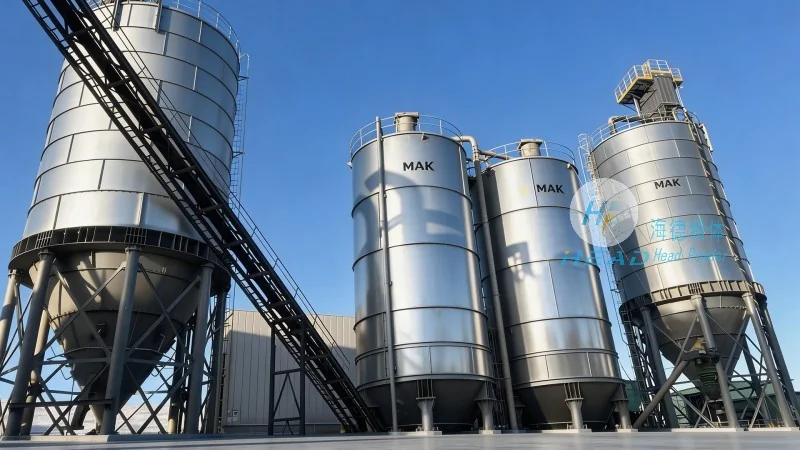
Pneumatic conveying equipment for sand particle materials finds widespread application in industries such as construction, foundries, and chemical processing. In construction, it is used to transport sand from storage silos to mixing plants or concrete production sites, ensuring a continuous and efficient supply of raw materials. In foundries, the equipment is crucial for moving sand molds and cores, which are often heavy and difficult to handle manually. The benefits of using pneumatic conveying systems include improved safety, as it eliminates the need for manual handling of heavy loads, and enhanced productivity, as it allows for continuous operation without the need for frequent material transfer. Additionally, the system reduces material loss and contamination, as the material is enclosed within the pipeline, preventing exposure to the environment and reducing the risk of dust inhalation. The equipment also offers flexibility in terms of layout, as the pipeline can be installed in various configurations to suit the specific needs of the facility.
Conclusion
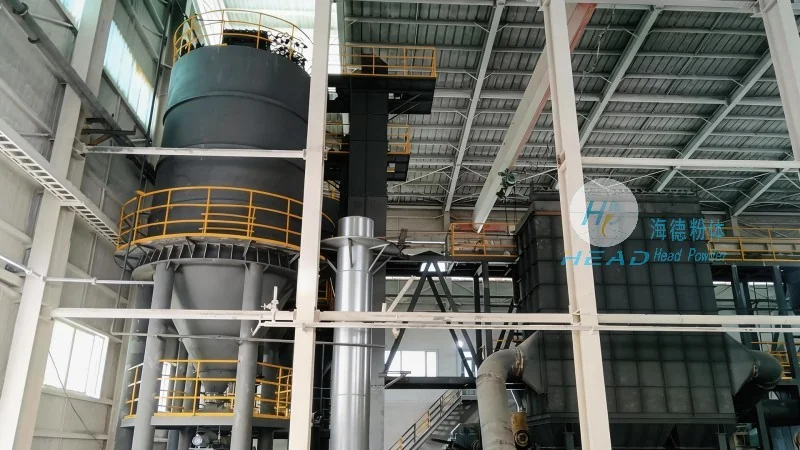
HeadPowder, with its headquarters in Shandong, China, provides comprehensive solutions for pneumatic conveying equipment tailored to the unique needs of sand particle materials. By adhering to rigorous design principles and utilizing high-quality materials, the company ensures that its equipment delivers reliable performance and long-term durability. Whether for short or long-distance transport, the pneumatic conveying systems from HeadPowder are engineered to meet the demands of modern industrial applications, offering efficiency, safety, and cost-effectiveness. For businesses seeking to optimize their material handling processes, HeadPowder's expertise in pneumatic conveying technology provides a reliable and effective solution.