

[Metal Powder Material Pneumatic Conveying Equipment: What It Is and Its Design Principles]
For industrial applications involving metal powders, efficient material handling is crucial. Pneumatic conveying systems offer a reliable solution for transporting metal powders from one location to another. This article explores what metal powder material pneumatic conveying equipment is and delves into its design principles, highlighting the key components and engineering considerations that ensure optimal performance.
Understanding Metal Powder Pneumatic Conveying Systems
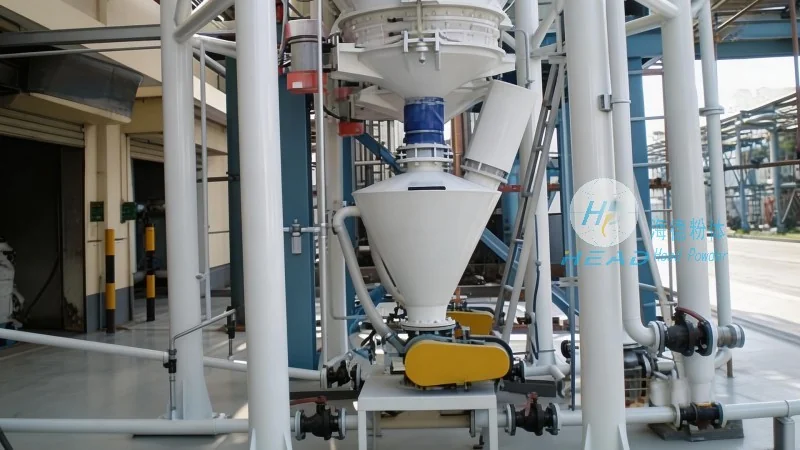
Metal powder material pneumatic conveying equipment is a type of industrial system designed to transport metal powders through a pipeline using compressed air or other gas. Unlike traditional mechanical conveyors, which rely on mechanical components like belts or screws, pneumatic systems use the force of gas to move material. This method is particularly advantageous for metal powders due to their fine particle size and potential for dust generation, as it minimizes contamination and reduces the risk of material degradation.
Key Components of Pneumatic Conveying Systems
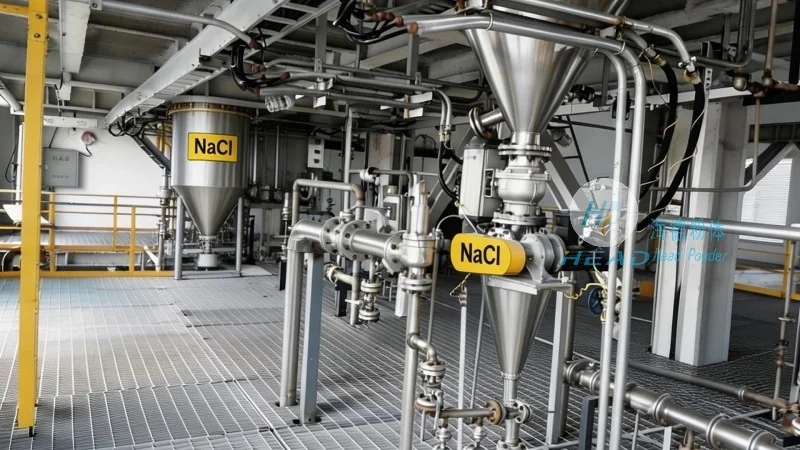
The core components of a metal powder pneumatic conveying system typically include a material feeder, a conveying line, a gas source (such as a blower or compressor), and a collection or discharge device. The material feeder is responsible for introducing the metal powder into the system, often using a rotary valve or a vacuum feeder to control the flow rate. The conveying line, usually made of stainless steel or other corrosion-resistant materials, ensures the metal powder is transported safely and efficiently. The gas source provides the necessary pressure and flow rate to move the material through the pipeline. Finally, the collection or discharge device, such as a hopper or a cyclone separator, collects the metal powder at the end of the conveying line.
Design Principles for Optimal Performance
The design of a metal powder pneumatic conveying system involves several critical principles to ensure reliable operation and minimal maintenance. First, the system must be designed to handle the specific properties of the metal powder, including particle size, density, and flowability. For example, finer metal powders may require higher air velocities to prevent clogging or segregation. Second, the system must consider the pressure drop across the conveying line, which is influenced by the length of the pipeline, the diameter of the line, and the properties of the metal powder. Proper sizing of the blower or compressor is essential to maintain the required pressure and flow rate. Third, the system must incorporate features to prevent material buildup and blockages, such as in-line mixers or pulse jets. Additionally, the design must account for the potential for dust generation and implement appropriate filtration and safety measures to protect personnel and equipment.
Engineering Considerations for Metal Powder Handling
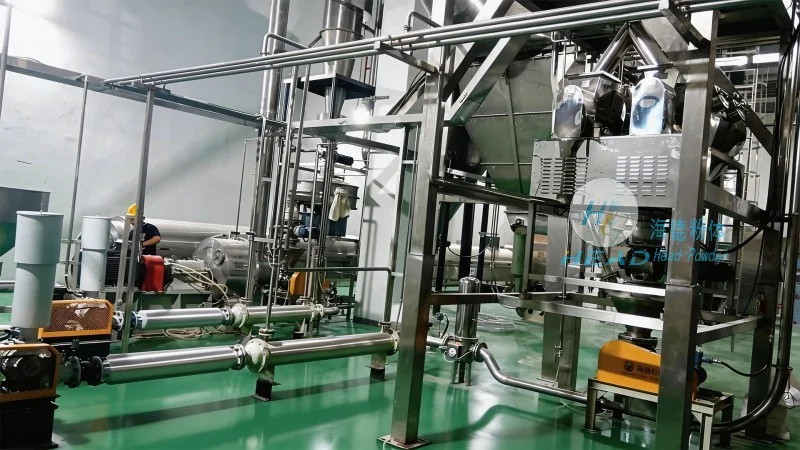
When designing a metal powder pneumatic conveying system, engineers from companies like Shandong HeadPowder Engineering Co., Ltd. must consider several factors to ensure the system meets the specific needs of the application. These factors include the capacity required, the distance the material needs to be transported, the environmental conditions (e.g., temperature and humidity), and the desired level of automation. The choice of materials for the conveying line and components is also critical, as metal powders can be abrasive and corrosive. Stainless steel is commonly used due to its durability and resistance to corrosion. Furthermore, the system must be designed to comply with safety regulations, such as those related to dust explosion prevention, by incorporating explosion-proof components and proper ventilation.
Advantages of Pneumatic Conveying for Metal Powders
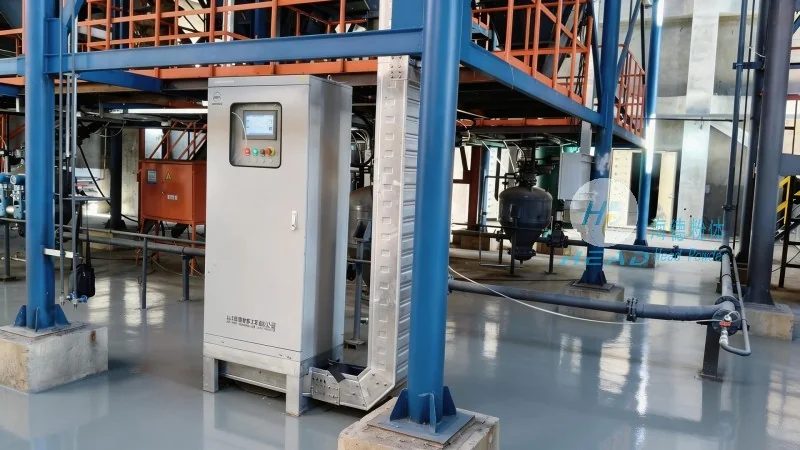
Pneumatic conveying systems offer several advantages over traditional mechanical conveyors for metal powders. These include the ability to transport materials over long distances without the need for multiple transfer points, reduced risk of material contamination due to enclosed systems, and lower maintenance costs compared to mechanical systems. Additionally, pneumatic systems can handle a wide range of metal powders, from fine powders to larger granules, with minimal segregation. The flexibility of pneumatic systems also allows for easy integration with other industrial processes, such as mixing or coating, making them a versatile solution for metal powder handling.
Conclusion
Metal powder material pneumatic conveying equipment is a sophisticated system that combines engineering principles and material science to efficiently transport metal powders. The design principles, including proper component selection, pressure management, and safety considerations, are essential for ensuring the system operates reliably and meets the specific requirements of the application. Companies like Shandong HeadPowder Engineering Co., Ltd., based in China, specialize in designing and manufacturing these systems, providing industrial clients with high-quality solutions for their metal powder handling needs.