

What is a Small Bag Unpacking Material Pneumatic Conveying Line? And What Are Its Design Principles?
When it comes to handling bulk materials efficiently, especially those packaged in small bags, the small bag unpacking material pneumatic conveying line emerges as a critical solution. This system is designed to automate the process of transferring materials from bagged form to a continuous flow, integrating unpacking, conveying, and processing in a streamlined manner. Understanding its functionality and design principles is essential for industries that rely on consistent and reliable material handling.
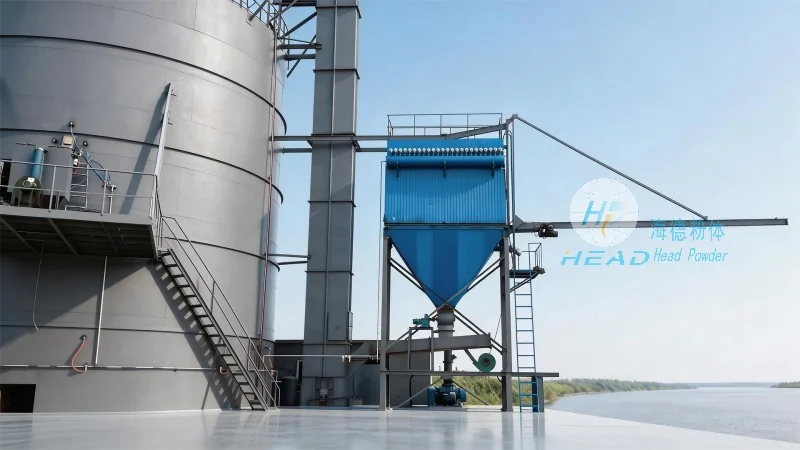
About HeadPowder: A Leading Provider of Pneumatic Conveying Solutions
HeadPowder, short for Shandong HeadPowder Engineering Co., Ltd., is a reputable company based in Shandong, China. Specializing in engineering and manufacturing advanced pneumatic conveying systems, HeadPowder has established itself as a trusted partner for businesses seeking efficient material handling solutions. With a focus on innovation and quality, the company delivers tailored systems that meet the specific needs of various industries, ensuring optimal performance and durability.
What is a Small Bag Unpacking Material Pneumatic Conveying Line?
A small bag unpacking material pneumatic conveying line is a specialized system engineered to handle bulk materials that are initially packaged in small bags. The primary objective is to convert the bagged material into a free-flowing stream for further processing, storage, or transportation. This line typically includes components such as bag openers, material feeders, pneumatic conveying ducts, and separation equipment. The system operates by using air pressure or suction to move the material from the bags through the pipeline, eliminating the need for manual handling and reducing the risk of contamination or loss.
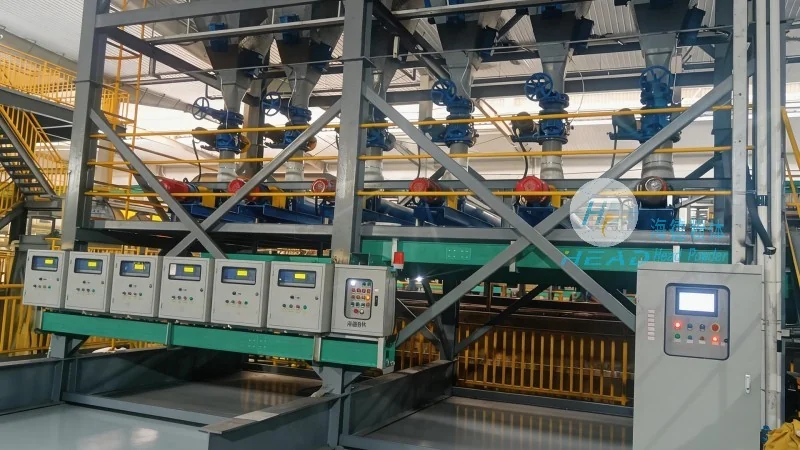
Design Principles of the Pneumatic Conveying Line
The design of a small bag unpacking material pneumatic conveying line is based on fundamental principles of fluid dynamics and material handling. The core concept involves creating a controlled airflow that propels the material through the system. There are two main types of pneumatic conveying systems: positive pressure and negative pressure. Positive pressure systems use compressed air to push the material forward, while negative pressure systems use vacuum to pull the material. The choice between these depends on factors like material properties, system length, and environmental considerations.
Key Components and Their Functions
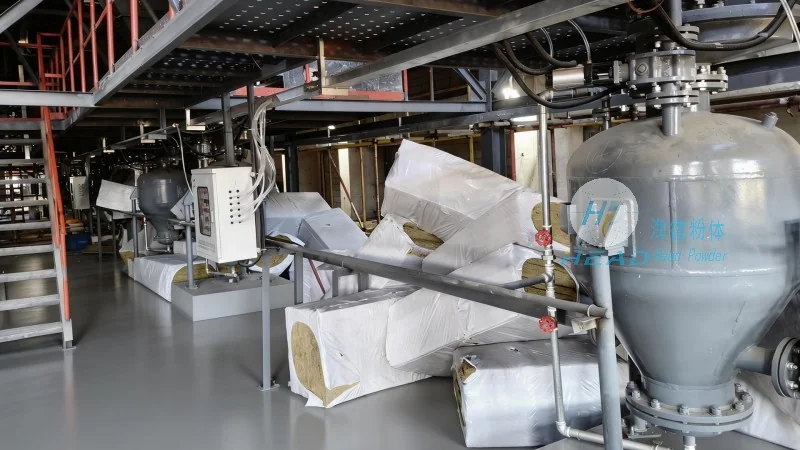
The effectiveness of a small bag unpacking material pneumatic conveying line relies on several key components, each playing a crucial role in the overall operation. The bag opener is the first component, responsible for safely and efficiently opening the small bags without damaging the material inside. It may use mechanical or pneumatic mechanisms to tear or cut the bag open. The material feeder then transfers the material from the opened bag into the conveying system, ensuring a consistent flow. The pneumatic conveying ducts are the main channels through which the material travels, constructed from materials like stainless steel or plastic to withstand the pressure and prevent leakage. The separation equipment, such as cyclones or filters, is used to separate the conveyed material from the air, ensuring that the material is collected in a clean and dry state. Finally, the air source system, including compressors or vacuum pumps, provides the necessary pressure or suction to drive the conveying process.
Advantages and Practical Applications
Implementing a small bag unpacking material pneumatic conveying line offers numerous advantages for businesses. Firstly, it significantly enhances operational efficiency by automating the material handling process, reducing labor costs and minimizing human error. Secondly, the system ensures a clean and hygienic environment, which is particularly important for industries dealing with food, pharmaceuticals, or chemicals. Thirdly, it improves material safety by preventing spillage and contamination, which can lead to product loss or regulatory issues. The practical applications of this system are widespread, including in chemical manufacturing, food processing, pharmaceuticals, and agricultural industries. For example, in a chemical plant, the line can be used to transfer raw materials from bags to reactors, while in a food processing facility, it can handle ingredients like flour or sugar, ensuring a smooth production flow.
Customization and Integration with Existing Systems
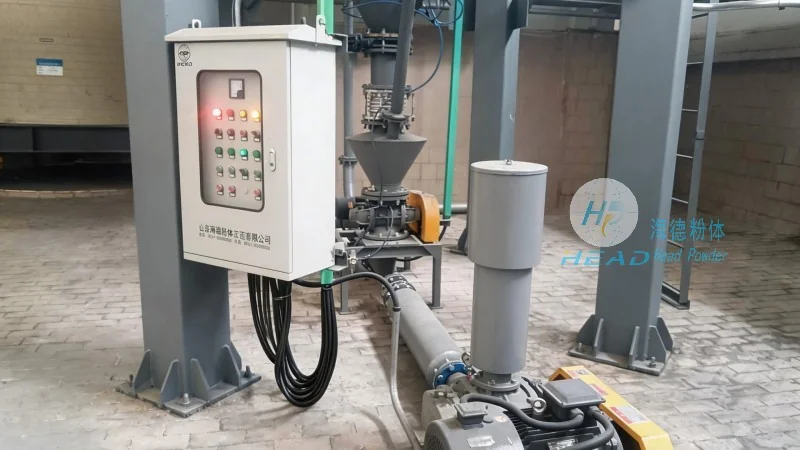
HeadPowder understands that each industrial environment has unique requirements. Therefore, the company offers customized solutions tailored to specific needs. This includes adapting the system to integrate with existing infrastructure, such as existing storage silos or processing equipment. The customization process involves a thorough analysis of the material characteristics, production volume, and operational constraints. By working closely with clients, HeadPowder ensures that the final solution is not only efficient but also cost-effective and easy to maintain. The company also provides after-sales support, including maintenance services and technical assistance, to ensure the long-term reliability of the system.
Conclusion: The Role of Pneumatic Conveying in Modern Manufacturing
In conclusion, the small bag unpacking material pneumatic conveying line is a vital component in modern material handling, offering a reliable and efficient solution for industries dealing with bagged bulk materials. The design principles and components work in harmony to create a seamless process that enhances productivity, safety, and cleanliness. As businesses continue to seek innovative ways to improve their operations, such systems remain a key investment. With HeadPowder's expertise and commitment to quality, companies can trust in the performance and durability of their pneumatic conveying systems, ensuring a competitive edge in their respective industries.