

What is the Pneumatic Conveying Equipment for Iron Oxide Material? Exploring Design Principles
Iron oxide materials, such as iron oxide powders and pellets, are widely used in various industrial applications including pigments, coatings, and pharmaceuticals. The efficient and safe transportation of these materials is crucial for maintaining production efficiency and product quality. Pneumatic conveying equipment has emerged as a reliable solution for handling iron oxide materials, offering advantages like dust-free operation, low maintenance, and the ability to transport materials over long distances. This article delves into the specifics of pneumatic conveying equipment designed for iron oxide materials, exploring its design principles and operational aspects.
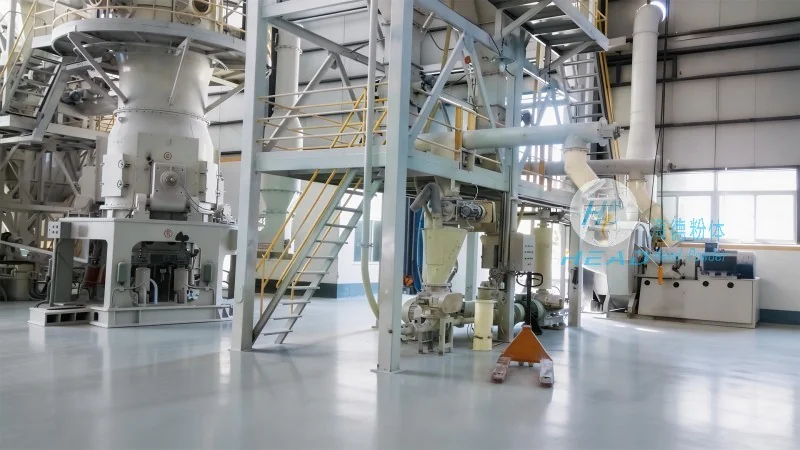
Understanding the Role of Pneumatic Conveying Systems in Handling Iron Oxide
Pneumatic conveying systems are designed to transport bulk materials like iron oxide through the use of air or gas as the conveying medium. Unlike traditional methods such as belt conveyors or bucket elevators, pneumatic systems eliminate the need for physical contact between the material and the conveying equipment, reducing wear and tear and minimizing the risk of contamination. For iron oxide materials, which can be abrasive and prone to dust generation, this is particularly beneficial. The system typically consists of a hopper, a conveyor line, and a receiver, with air being introduced to create a flow of material through the system. This method ensures that the material is transported in a controlled manner, maintaining its integrity and preventing degradation.
Key Design Principles Behind the Equipment
The design of pneumatic conveying equipment for iron oxide materials is guided by several critical principles to ensure optimal performance and reliability. First, the system must be capable of handling the specific properties of iron oxide, including its particle size, density, and flowability. The equipment is designed to accommodate a wide range of particle sizes, from fine powders to larger pellets, ensuring that the conveying process is efficient for all forms of iron oxide. Second, the system must be constructed from materials that are resistant to corrosion and wear, as iron oxide can be abrasive and may contain acidic components. Stainless steel or other corrosion-resistant materials are commonly used for the hopper, conveyor line, and other components to extend the equipment's lifespan. Third, the system must incorporate features that prevent dust accumulation and ensure safe operation. This includes the use of sealed hoppers and receivers, as well as air filtration systems to capture any airborne particles. Additionally, the design must consider the energy efficiency of the system, minimizing the power consumption required to transport the material. These design principles collectively ensure that the equipment operates effectively and safely, meeting the demands of industrial applications.
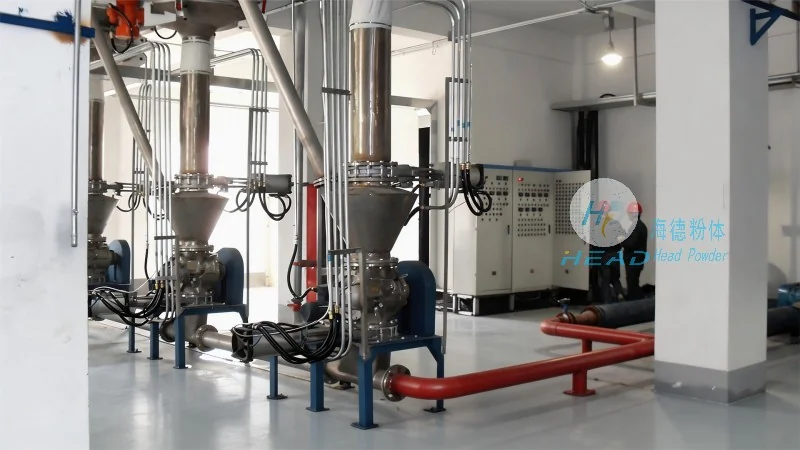
Technical Specifications and Components of the Equipment
The pneumatic conveying equipment for iron oxide materials typically includes several key components that work together to facilitate the conveying process. The hopper is the primary storage container, designed to hold the iron oxide material and feed it into the conveyor line. It is equipped with a discharge valve to control the flow of material into the system. The conveyor line, often made of flexible or rigid tubing, is where the material is transported by the air flow. The line is connected to a blower or compressor that generates the necessary air pressure to move the material. The receiver is the final storage container, where the iron oxide material is deposited after being conveyed. The system may also include a filter system to remove any particles from the air before it is released back into the environment. The blower or compressor is a critical component, as it provides the force needed to move the material through the system. The specifications of the equipment, such as the air flow rate, pressure, and material capacity, are tailored to the specific requirements of the iron oxide material being handled. For example, fine iron oxide powders may require higher air flow rates to ensure efficient transport, while larger pellets may need lower air flow rates but higher pressure. The components are designed to work in harmony, ensuring that the material is conveyed smoothly and without interruption.
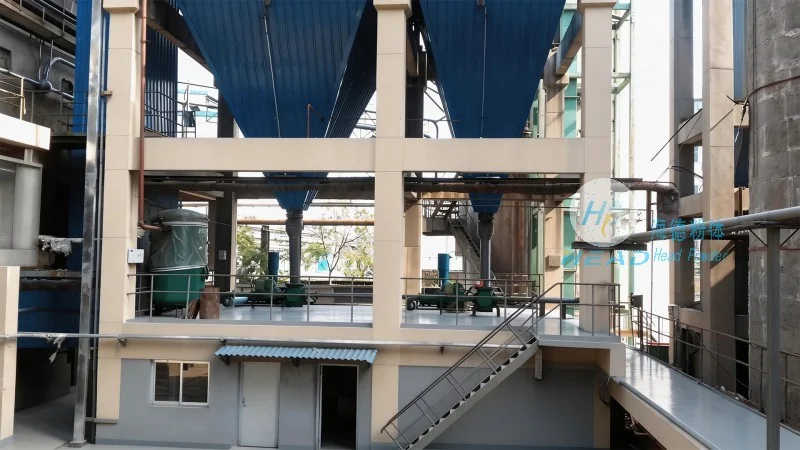
Application Scenarios and Operational Benefits
Pneumatic conveying equipment for iron oxide materials is used in a variety of industrial settings, including manufacturing plants, processing facilities, and storage warehouses. In pigment production, for example, the equipment is used to transport iron oxide pigments from storage to mixing and processing areas. The dust-free operation of the system is particularly beneficial in this application, as it prevents the pigments from becoming contaminated with other materials and reduces the risk of respiratory issues for workers. In pharmaceutical applications, the equipment is used to transport iron oxide powders used as a filler or pigment in drug formulations. The sealed system ensures that the material remains sterile and free from contamination, which is critical for pharmaceutical products. The operational benefits of pneumatic conveying systems extend beyond just dust control. The equipment is generally more energy-efficient than traditional methods, as it requires less power to transport the material over long distances. Additionally, the system is compact and can be installed in tight spaces, making it suitable for facilities with limited floor space. The low maintenance requirements of the equipment also contribute to its cost-effectiveness, as it has fewer moving parts and requires less frequent repairs compared to other conveying systems. Overall, the use of pneumatic conveying equipment for iron oxide materials offers significant advantages in terms of efficiency, safety, and cost-effectiveness.
Company Profile: Shandong HeadPowder Engineering Co., Ltd.
Shandong HeadPowder Engineering Co., Ltd., commonly known as HeadPowder, is a leading manufacturer of pneumatic conveying equipment and related industrial solutions. The company is headquartered in Shandong, China, and has established itself as a trusted provider of high-quality equipment for handling various bulk materials, including iron oxide. HeadPowder specializes in designing and manufacturing customized pneumatic conveying systems that meet the specific needs of its clients. The company's team of engineers and technicians has extensive experience in the field, ensuring that each piece of equipment is designed to operate efficiently and reliably. HeadPowder's commitment to quality is reflected in its use of advanced manufacturing techniques and rigorous quality control processes. The company adheres to international standards and certifications, ensuring that its products meet the highest industry standards. HeadPowder's equipment is widely used in industries such as chemicals, food, and pharmaceuticals, and the company has built a strong reputation for its reliable and durable products. With a focus on innovation and customer satisfaction, HeadPowder continues to be a leader in the pneumatic conveying equipment market, providing solutions that enhance the efficiency and safety of industrial operations.