Iron concentrate powder, a vital component in the mining and metallurgical sectors, necessitates efficient and reliable transport solutions to maintain seamless production workflows. Pneumatic conveying technology addresses this need by utilizing air as the primary medium to move bulk solid materials, such as iron concentrate powder, through a network of pipes and equipment. This method is particularly well-suited for iron concentrate due to its fine particle size, high density, and the requirement for controlled or dust-free handling environments.
The Principle of Pneumatic Conveying
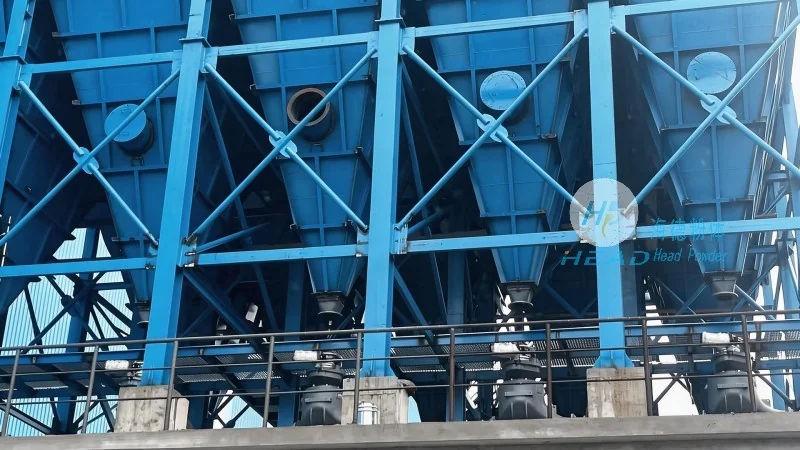
Pneumatic conveying operates on the fundamental principle of suspending solid particles within a high-velocity air stream. For iron concentrate powder, the system typically employs a blower or compressor to generate the necessary air pressure. The iron concentrate is introduced into the air flow, either via gravity or through a controlled feeder, and is carried along the pipeline. The air velocity must be sufficient to keep the particles suspended and prevent settling or blockages. The design of the conveying system—including pipe diameter, pipeline angle, and air flow type (positive or negative pressure)—is critical to achieving optimal performance. Given iron concentrate's high density and fine particle characteristics, positive pressure systems are commonly utilized to maintain consistent flow and prevent material degradation or degradation of the system components.
Key Components and Their Functions
The pneumatic conveying system for iron concentrate powder comprises several essential components that collaborate to ensure efficient material transport. These include a blower or air compressor (often a positive displacement type like rotary lobe or Roots blower) to provide the required pressure and volume; a feeder (e.g., rotary valve or screw feeder) to regulate the feed rate of iron concentrate into the system; a pipeline network to transport the material from the source to the destination; and a receiver or discharge device to collect the material at the end of the line. The blower is designed to handle the high pressure and volume demands of iron concentrate powder, ensuring stable air flow. The feeder maintains consistent material input, preventing surges or blockages that could damage the system or compromise material quality. The pipeline is typically constructed from stainless steel or other corrosion-resistant materials to withstand the abrasive nature of iron concentrate particles and potential moisture or dust accumulation. The receiver is engineered to collect material under controlled conditions, often integrating dust collection systems to minimize environmental impact.
Working Scene Characteristics and Applications
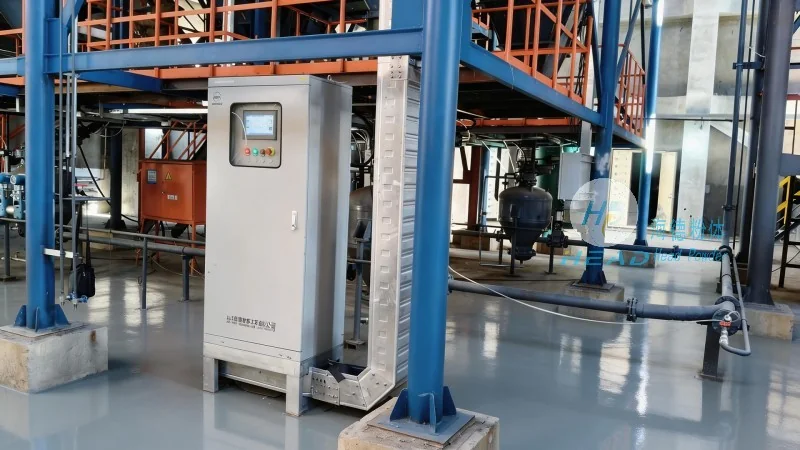
The working scene characteristics of pneumatic conveying for iron concentrate powder are tailored to the specific operational needs of industrial applications. These characteristics emphasize the ability to handle fine particles without clogging, the necessity of dust control to meet environmental regulations, and the requirement for efficient, high-volume material transfer. Common applications include transporting iron concentrate from storage silos to processing plants, moving material between different stages of the production line, and delivering iron concentrate to storage or shipping facilities. In mining operations, for instance, pneumatic conveying is employed to transport iron concentrate from the mine site to processing facilities, often over long distances and varying elevations. The system's flexibility allows it to adapt to changes in production rates and material flow, making it a reliable choice for dynamic industrial environments. Moreover, the system can be integrated with other equipment—such as crushers, screens, and classifiers—to form a comprehensive material handling solution that enhances overall plant efficiency.
Advantages of Pneumatic Conveying for Iron Concentrate Powder
Pneumatic conveying offers several key advantages when applied to iron concentrate powder, making it a preferred method in many industrial settings. A primary benefit is the ability to transport material in a closed system, which reduces dust emissions and protects both the environment and worker health. This is particularly critical for iron concentrate, as it can generate airborne particles that may affect compliance with environmental regulations and worker safety. Another advantage is the system's effectiveness in handling fine particles without clogging, as the air flow keeps particles suspended and prevents blockages that are common with alternative transport methods like belt conveyors or bucket elevators. The system also provides layout flexibility, as the pipeline can be arranged in various configurations to accommodate different plant layouts and operational needs. Furthermore, pneumatic conveying can be integrated with automation systems, enabling real-time monitoring and control of material flow, which enhances operational efficiency and reduces downtime. The long-term cost-effectiveness of the system—considering reduced maintenance, increased productivity, and lower environmental compliance costs—makes it an attractive option for industrial applications.
Challenges and Mitigation Strategies
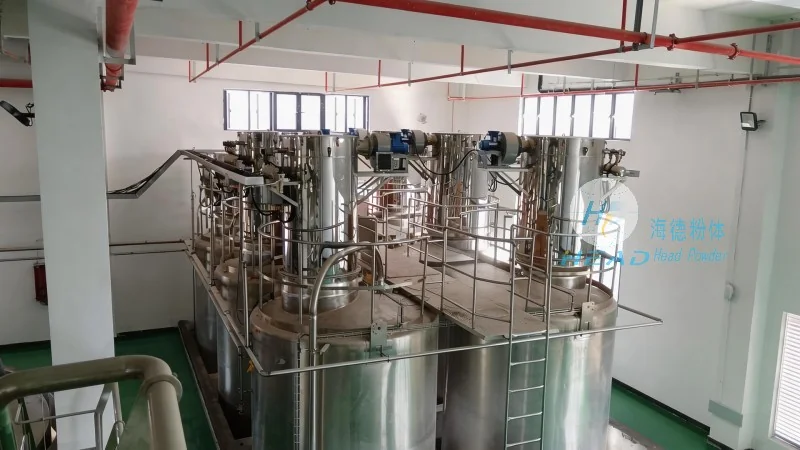
While pneumatic conveying is an effective method for iron concentrate powder transport, it also presents challenges that must be addressed to ensure optimal performance. One major challenge is the potential for clogging or blockages in the pipeline, often caused by the fine particle size of iron concentrate or the presence of moisture. To mitigate this, the system incorporates features such as pulse jets or air knives that help break up agglomerates and maintain consistent flow. Another challenge is wear and tear on the pipeline and components due to the abrasive nature of iron concentrate particles. To address this, the use of corrosion-resistant materials—such as stainless steel or high-grade alloys—is recommended to extend the system's lifespan. Additionally, regular maintenance is essential to ensure all components function properly, including the blower, feeder, and pipeline. Routine inspections and cleaning help prevent issues and maintain performance. Finally, the system's energy consumption must be considered, as high-pressure air flow can be energy-intensive. However, efficient blower designs and optimized system layouts can help reduce energy costs and improve overall system efficiency.
Conclusion
Pneumatic conveying is a reliable and efficient method for transporting iron concentrate powder, offering significant advantages over traditional transport methods. Its ability to handle fine particles, control dust emissions, and adapt to diverse industrial applications makes it a critical component of modern mining and metallurgical operations. By understanding the principle of pneumatic conveying and the specific characteristics of iron concentrate powder, industrial facilities can design and implement an effective material handling system that enhances productivity, reduces operational costs, and ensures compliance with environmental regulations. As the demand for iron concentrate continues to grow, the importance of efficient transport solutions like pneumatic conveying will only increase, solidifying its role in the future of industrial material handling.




