HeadPowder, a leading engineering company based in Shandong, China, specializes in the design and implementation of advanced pneumatic conveying systems tailored for the handling of chilli powder. This article explores the fundamental principles behind these systems and highlights the key characteristics of their operational scenarios, providing valuable insights into efficient material transport solutions for the food processing industry.
Principles of Pneumatic Conveying for Chilli Powder
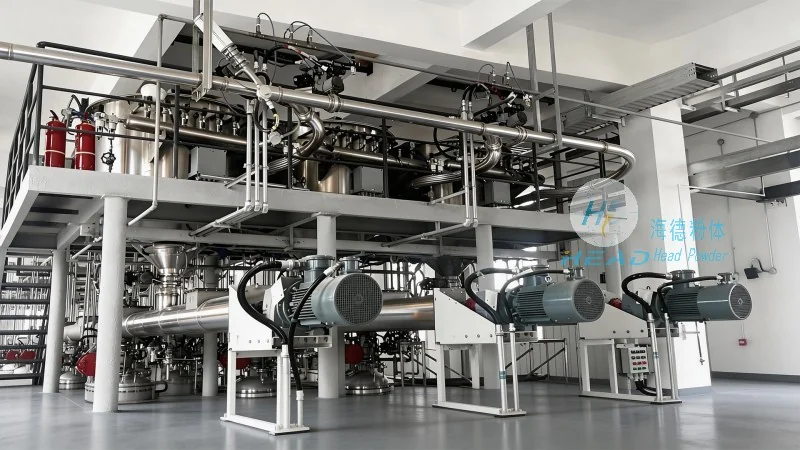
Pneumatic conveying, also known as air conveying, is a method of transporting bulk materials like chilli powder through a pipeline using air pressure. The core principle involves creating a flow of air that moves the powder particles along the pipeline. There are two primary types of pneumatic conveying systems: positive pressure and negative pressure. Positive pressure systems use a blower to generate air pressure that pushes the material through the pipeline, while negative pressure systems employ a vacuum to draw the material into the system. For chilli powder, which is a fine, dry powder with specific flow characteristics, the choice of system depends on factors such as the distance of transport, the required flow rate, and the need to maintain product integrity.
The design of a pneumatic conveying system for chilli powder involves several critical components. These include the material feed hopper, which ensures a consistent supply of powder, the air compressor or vacuum pump, the conveying pipeline, and the discharge hopper or collection system. The pipeline is typically made of materials like stainless steel or plastic to prevent contamination and ensure durability. The air velocity within the pipeline is carefully controlled to prevent particle segregation and maintain a uniform flow. For chilli powder, which is prone to static electricity, anti-static measures are often incorporated into the system to prevent dust accumulation and ensure safe operation.
Key Working Scene Characteristics
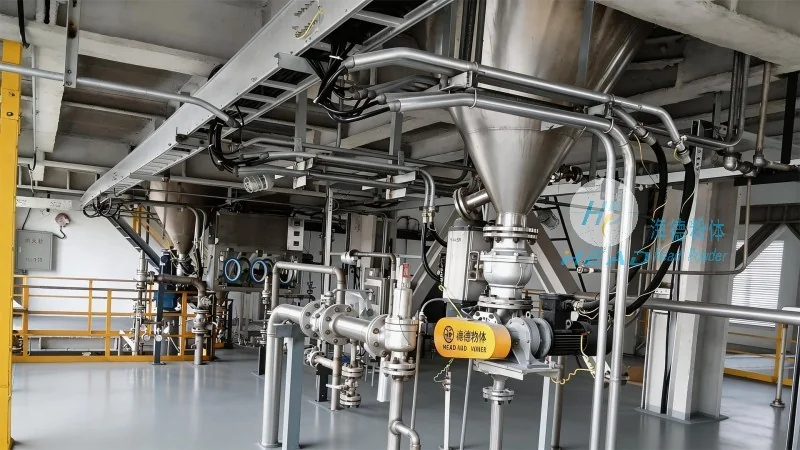
The operational characteristics of pneumatic conveying systems for chilli powder are influenced by the unique properties of the material and the specific requirements of the application. One of the primary advantages is the ability to transport chilli powder in a closed system, which helps to maintain product quality by preventing exposure to moisture, contaminants, or air. This is particularly important in food processing, where product purity and safety are paramount. The closed system also reduces dust emissions, improving workplace safety and environmental compliance.
Another key characteristic is the flexibility of the system. Pneumatic conveying can be used for short or long-distance transport, and the pipeline can be easily reconfigured to accommodate changes in production processes or facility layouts. This adaptability makes it suitable for various working environments, from small-scale food processing plants to large industrial facilities. The system's ability to handle fine powders without clogging or blockages is also a significant advantage, as chilli powder can be sensitive to flow interruptions.
In industrial settings, the efficiency of the pneumatic conveying system is a critical factor. The system's capacity to maintain a consistent flow rate, even with varying material feed rates, ensures smooth production operations. This is achieved through the use of control systems that regulate air pressure and flow, optimizing the transport process. Additionally, the energy efficiency of the system is a consideration, as lower air pressure or vacuum levels can reduce operational costs while maintaining effective material transport.
Application Scenarios and Benefits
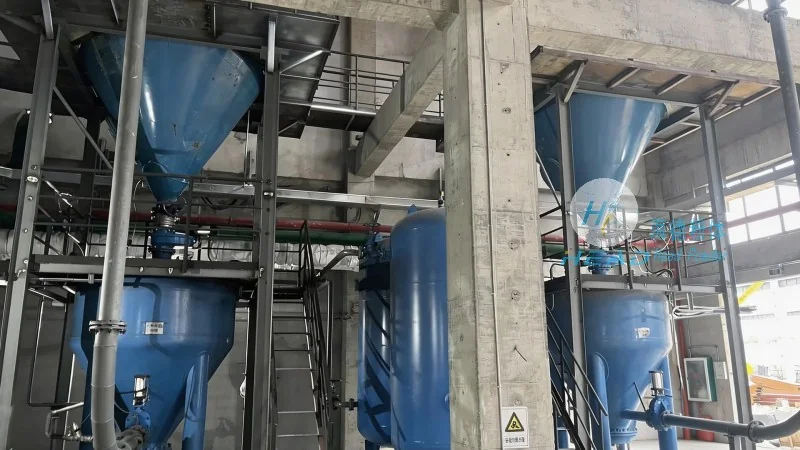
Pneumatic conveying systems for chilli powder are widely used in various working scenarios within the food processing industry. For example, in spice processing plants, these systems are used to transport chilli powder from storage silos to processing lines, ensuring a continuous supply of raw material. In packaging facilities, the system can be integrated with packaging machines to deliver chilli powder directly into packaging containers, reducing manual handling and improving operational efficiency. The system's ability to handle large volumes of powder quickly and safely makes it ideal for high-volume production environments.
The benefits of using pneumatic conveying for chilli powder extend beyond operational efficiency. By maintaining a closed system, the process helps to preserve the flavor and aroma of the chilli powder, which are essential for product quality. The reduction in dust exposure also contributes to a cleaner working environment, enhancing the safety and comfort of employees. Furthermore, the system's ability to handle fine powders without segregation ensures that the final product maintains a consistent particle size distribution, which is important for product performance and consumer acceptance.




