Chromium(III) oxide, a critical industrial material widely used in various applications such as pigments, catalysts, and coatings, requires efficient and reliable handling systems to ensure safe and effective material transport. Pneumatic conveying systems have emerged as a preferred solution for transporting this powder due to their ability to handle fine powders without the need for mechanical components that might cause contamination or degradation. This article provides a technical analysis of pneumatic conveying systems for chromium(III) oxide, focusing on the comparison between positive pressure and negative pressure conveying modes. The discussion will cover the fundamental principles, operational characteristics, advantages, and limitations of each mode, helping industry professionals make informed decisions when selecting the most suitable conveying system for their specific applications.
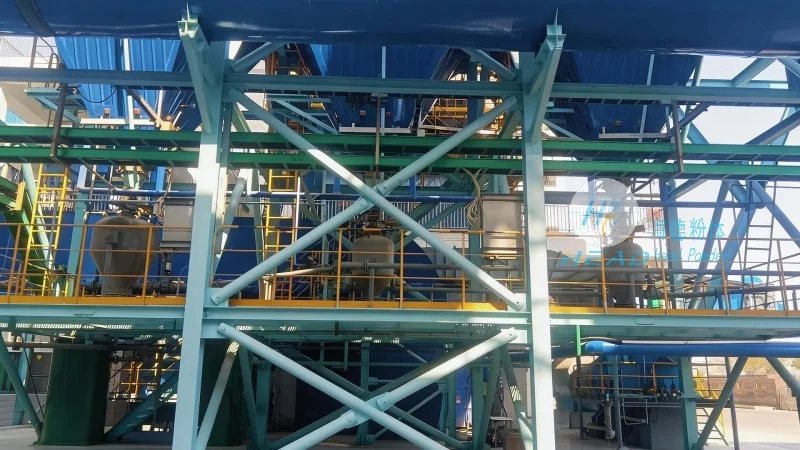
Positive Pressure Conveying Mode: Principles and Operational Characteristics
Positive pressure conveying, also known as pressure pneumatic conveying, operates by generating a high-pressure air stream within the conveying line. The system uses a positive displacement blower or a rotary lobe compressor to create the necessary pressure differential. The material is fed into the conveying line at the inlet, where it is entrained by the high-velocity air stream and transported to the discharge point. This mode is particularly effective for long-distance and high-capacity conveying of fine powders like chromium(III) oxide. The positive pressure system ensures that the material is continuously pushed through the pipeline, minimizing the risk of blockages and ensuring consistent flow rates.
The operational characteristics of positive pressure conveying include high conveying velocities, typically ranging from 20 to 40 meters per second, which allows for efficient transport over distances of several hundred meters. The system can handle a wide range of particle sizes, from very fine powders (sub-micron) to larger particles, as long as they are dry and free-flowing. The positive pressure mode also provides better control over the material's temperature and moisture content, which is crucial for maintaining the quality of chromium(III) oxide, a material sensitive to moisture and temperature variations.
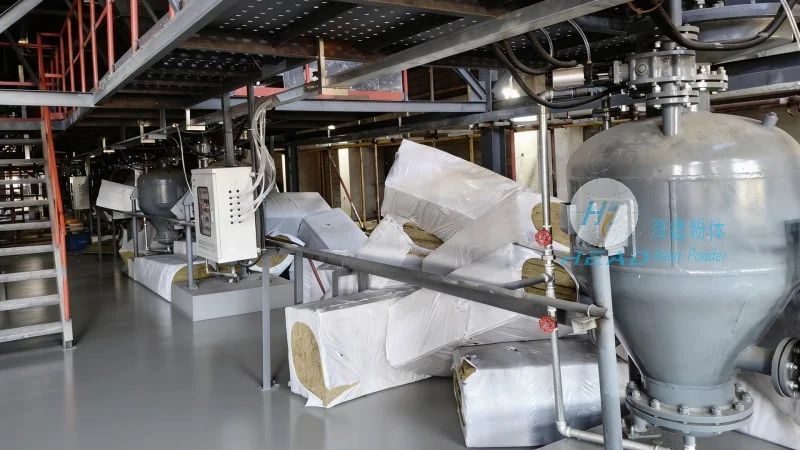
Advantages of positive pressure conveying for chromium(III) oxide include its ability to handle abrasive materials without excessive wear on the system components. The high pressure and velocity help to break up any agglomerates, ensuring a uniform particle size distribution. Additionally, the system is relatively easy to install and maintain, with fewer moving parts compared to negative pressure systems. However, the main limitation is the higher energy consumption, as positive pressure systems require more power to generate the necessary pressure. The cost of the blower or compressor and the associated energy costs can be a significant factor for long-term operation.
Negative Pressure Conveying Mode: Principles and Operational Characteristics
Negative pressure conveying, or vacuum pneumatic conveying, operates by creating a low-pressure (vacuum) environment within the conveying line. The system uses a vacuum pump to draw air and material from the inlet and transport them to the discharge point. The material is fed into the conveying line at the inlet, where it is entrained by the air stream and pulled through the pipeline. This mode is commonly used for short to medium-distance conveying and for applications where the material needs to be transported from a source to a collection point, such as in dust collection systems.
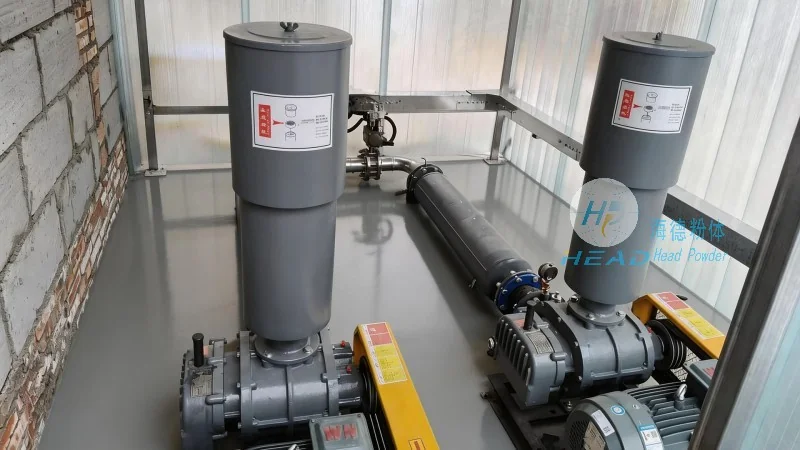
The operational characteristics of negative pressure conveying include lower conveying velocities, typically ranging from 5 to 15 meters per second, compared to positive pressure systems. The lower velocity reduces the risk of particle degradation and ensures a gentler handling of the material. The system is particularly suitable for conveying fine powders that are prone to caking or agglomeration, as the vacuum helps to maintain the material's flowability. Negative pressure conveying also allows for the collection of material from multiple points, as the vacuum can be maintained throughout the entire conveying line.
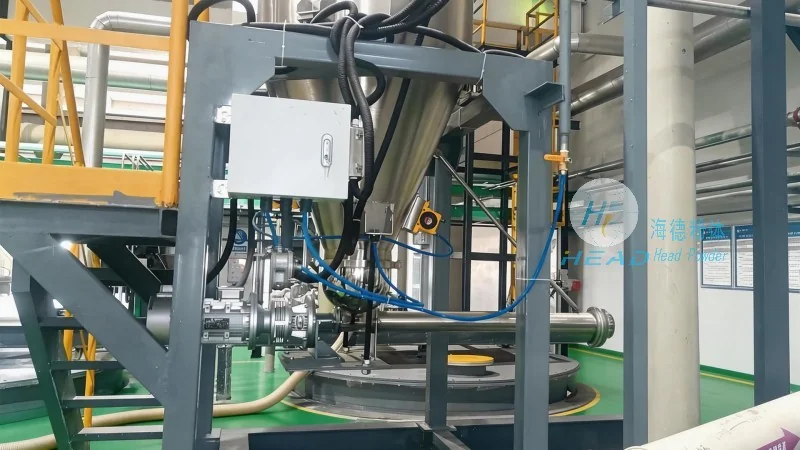
Advantages of negative pressure conveying include lower energy consumption compared to positive pressure systems, as the vacuum pump operates at a lower pressure. The system is also more flexible in terms of layout, as it can handle multiple inlet points and can be integrated with existing dust collection systems. However, the main limitation is the risk of blockages and material degradation due to the lower conveying velocity and the potential for moisture absorption from the ambient air. The system also requires more maintenance, as the vacuum pump and the conveying line are more susceptible to dust accumulation and wear.
Comparison of Positive and Negative Pressure Conveying Modes for Chromium(III) Oxide
When selecting a pneumatic conveying system for chromium(III) oxide, it is essential to consider the specific requirements of the application, including the distance, capacity, and material characteristics. The comparison between positive and negative pressure modes reveals distinct advantages and limitations that can guide the decision-making process.




