Shandong HeadPowder Engineering Co., Ltd., commonly known as headpowder, is a professional engineering company based in Shandong, China. The company specializes in the design, manufacturing, and implementation of advanced pneumatic conveying systems, particularly for handling calcium nitrite—a critical chemical widely used in industrial applications such as water treatment, construction, and food preservation. This article provides a technical analysis of calcium nitrite pneumatic conveying systems, focusing on the comparison between positive and negative pressure conveying modes to help clients understand the technical nuances and make informed decisions.
Pneumatic Conveying Systems: An Overview
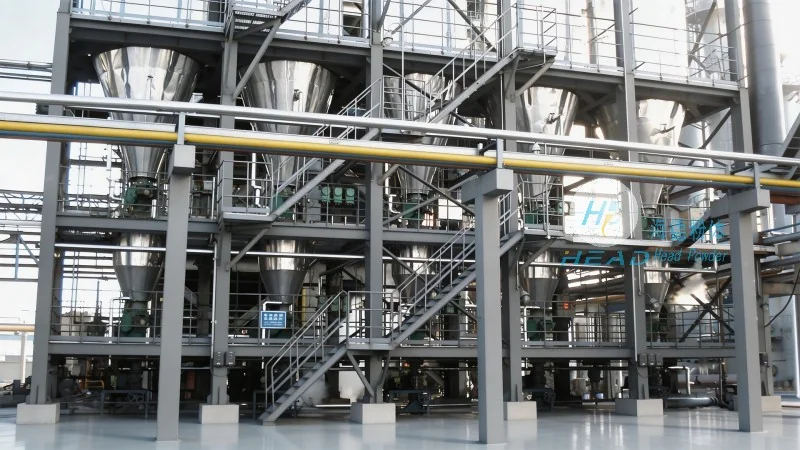
Pneumatic conveying is a method of transporting bulk materials through a pipeline using compressed air or a vacuum. It offers advantages such as dust-free operation, reduced material degradation, and the ability to transport materials over long distances without the need for mechanical components like conveyors or elevators. For calcium nitrite, which is a hygroscopic and potentially hazardous material, pneumatic conveying provides a safe and efficient means of handling. The system typically consists of a feeding device, a conveying pipeline, a separation unit, and a discharge mechanism. The choice of conveying mode—positive or negative pressure—significantly impacts the system's performance, energy consumption, and operational safety.
Positive Pressure Conveying Mode: Principles and Applications
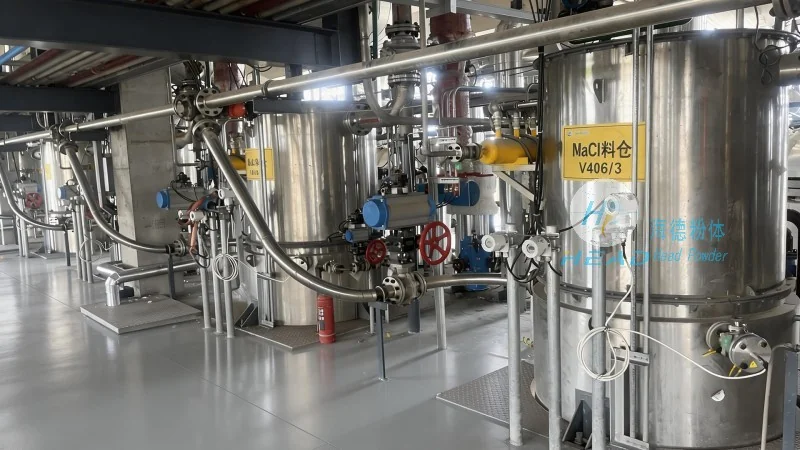
Positive pressure conveying, also known as pressure pneumatic conveying, operates by blowing air or a gas mixture into the conveying pipeline at a pressure higher than the ambient air pressure. The material is fed into the pipeline at the inlet, and the pressurized air pushes the material forward through the pipeline. This mode is particularly suitable for transporting materials over long distances or through complex layouts, as it can maintain a consistent flow rate and pressure. For calcium nitrite, positive pressure systems are often used when the material needs to be transported from a storage silo to a processing plant, or when the material is sensitive to moisture and requires a dry environment. The key components of a positive pressure system include a rotary valve or star feeder for material feeding, a pressure vessel or blower for air supply, and a cyclone separator for material separation at the discharge end. The system's efficiency depends on the air velocity, which must be high enough to prevent material settling but low enough to avoid excessive wear on the pipeline.
Negative Pressure Conveying Mode: Principles and Applications
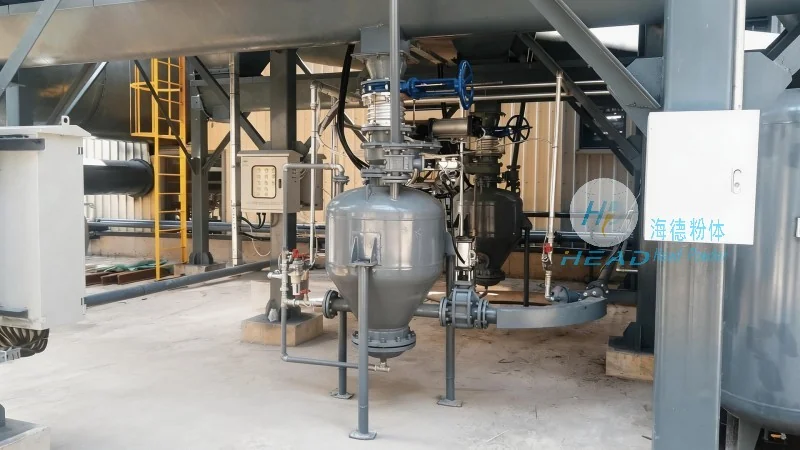
Negative pressure conveying, or vacuum pneumatic conveying, operates by creating a vacuum in the conveying pipeline, which draws the material from the inlet into the pipeline. The material is then transported to the discharge point, where the vacuum is broken and the material is released. This mode is ideal for applications where the material needs to be transported from a low-level source to a higher level, or when the material is light and prone to dust generation. For calcium nitrite, negative pressure systems are commonly used in scenarios where the material is stored in a hopper or silo at ground level and needs to be transported to a processing unit on an elevated platform. The system typically includes a vacuum pump, a material feeder, and a cyclone separator. The main advantage of negative pressure conveying is its ability to handle fine powders and prevent dust leakage, as the material is drawn into the pipeline rather than being pushed out. However, it is less efficient for long-distance transport due to the energy required to maintain the vacuum.
Technical Comparison: Positive vs. Negative Pressure Conveying
When selecting a pneumatic conveying system for calcium nitrite, it is essential to compare the positive and negative pressure modes based on several technical and operational factors. Positive pressure systems generally offer higher conveying capacities and are more suitable for long-distance transport, as they can maintain a consistent pressure and flow rate. They are also more energy-efficient for large-scale operations, as the air is compressed only once at the inlet. However, they require more robust equipment, such as high-pressure blowers, and may generate more noise and dust at the discharge point. Negative pressure systems, on the other hand, are better suited for short-distance or vertical transport, as they can handle fine powders and prevent dust leakage. They are also more flexible in terms of layout, as the vacuum can be maintained over longer distances without significant pressure loss. The main drawbacks of negative pressure systems include higher energy consumption due to the continuous operation of the vacuum pump and potential issues with material buildup in the pipeline if the flow rate is too low.
Key Considerations for Calcium Nitrite Pneumatic Conveying
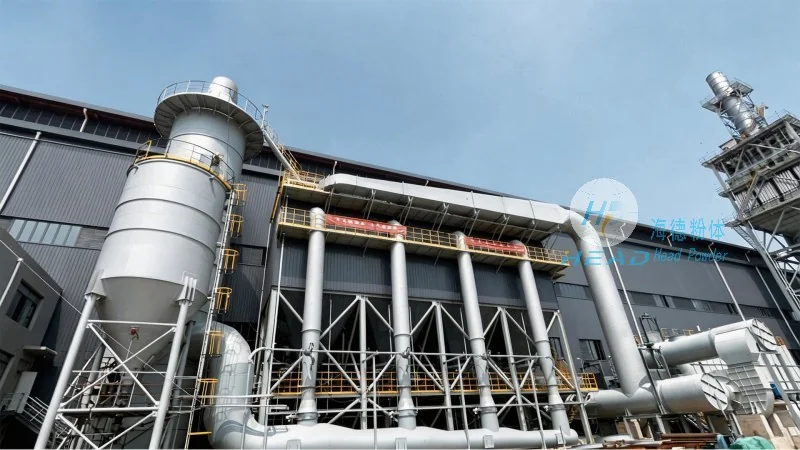
When designing a pneumatic conveying system for calcium nitrite, several factors must be considered to ensure optimal performance and safety. First, the material's physical properties, such as particle size, density, and hygroscopicity, must be evaluated. Calcium nitrite is a fine powder with a relatively high density, which affects the air velocity required for stable transport. Second, the system's layout and the distance between the feeding and discharge points must be determined. Long-distance transport may require positive pressure systems, while vertical transport may benefit from negative pressure systems. Third, the environmental and safety requirements must be addressed. Calcium nitrite is a hazardous material, and the system must be designed to prevent dust explosions and ensure proper ventilation. Fourth, the cost and maintenance considerations must be taken into account. Positive pressure systems may have higher initial costs due to the need for high-pressure equipment, but they may have lower long-term maintenance costs due to their simpler design. Negative pressure systems may have lower initial costs but higher maintenance costs due to the vacuum pump and potential material buildup.
Conclusion: Choosing the Right Conveying Mode for Calcium Nitrite
In conclusion, the choice between positive and negative pressure pneumatic conveying modes for calcium nitrite depends on the specific application requirements, including the distance, layout, and material properties. Positive pressure systems are generally more suitable for long-distance and horizontal transport, while negative pressure systems are better for short-distance and vertical transport. Shandong HeadPowder Engineering Co., Ltd. provides customized solutions for calcium nitrite pneumatic conveying systems, leveraging advanced technology and technical expertise to ensure efficient, safe, and cost-effective material handling. By understanding the technical differences between positive and negative pressure conveying, clients can make informed decisions and select the most appropriate system for their needs, ultimately improving operational efficiency and reducing costs.




