HeadPowder, a leading engineering company based in Shandong, China, specializes in the design and implementation of advanced pneumatic conveying systems tailored for the handling of lithium-ion anode materials. This technical analysis delves into the core technologies of positive pressure and negative pressure conveying modes, offering a comprehensive comparison to help clients select the most suitable solution for their production needs.
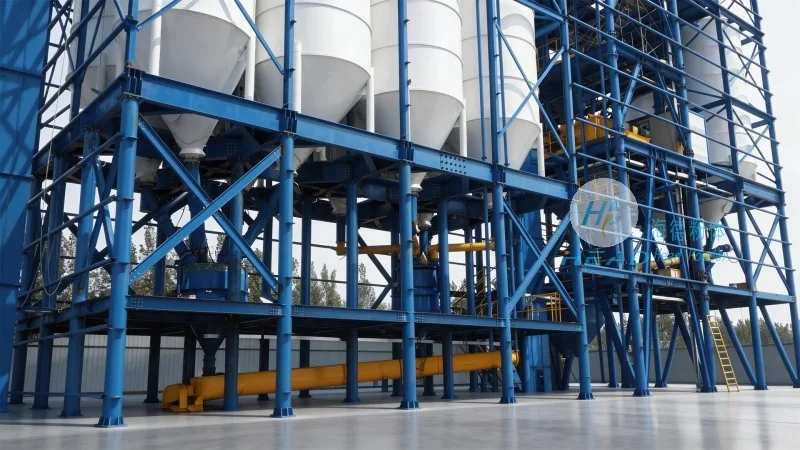
Introduction to Pneumatic Conveying Systems for Lithium-Ion Anode Materials
Pneumatic conveying systems are critical in the processing and transportation of lithium-ion anode materials, which are essential components in modern battery technology. These systems utilize air or other gases to transport bulk materials like graphite, silicon, and other anode powders from one location to another within a manufacturing facility. The choice of conveying mode—whether positive pressure or negative pressure—significantly impacts system efficiency, material handling quality, and operational costs. Understanding the technical nuances of each mode is vital for optimizing production workflows and ensuring product integrity.
Positive Pressure Conveying Mode: Advantages and Technical Features
Positive pressure conveying systems operate by blowing air or gas into the conveying line, creating a pressure higher than the ambient environment. This method is widely used in the lithium-ion anode material industry due to several key advantages. First, it offers excellent material transport efficiency, as the high-pressure air ensures consistent and reliable movement of powders, even at high flow rates. Second, positive pressure systems provide better control over the conveying process, allowing for precise regulation of air volume and pressure to match varying material characteristics and production demands. Additionally, these systems are generally more robust and easier to maintain, with fewer components exposed to material dust, reducing the risk of clogging and system downtime.
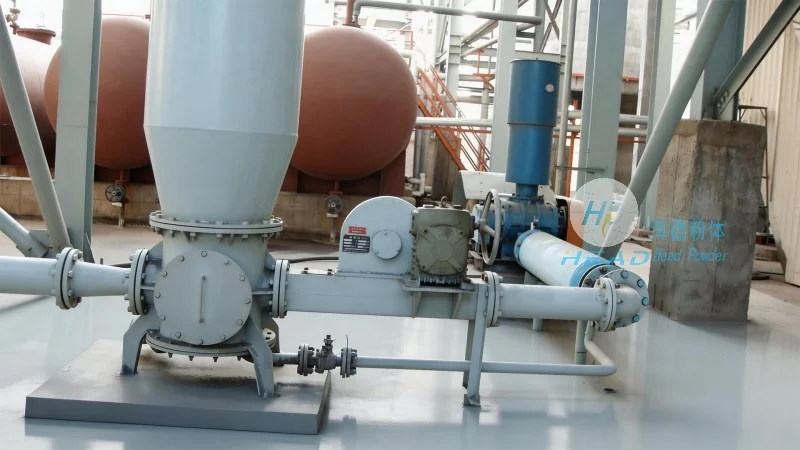
Negative Pressure Conveying Mode: Applications and Technical Considerations
Negative pressure conveying, also known as vacuum conveying, works by creating a vacuum in the conveying line, drawing material into the system from a lower pressure environment. This mode is particularly suitable for applications where material dust control is paramount, as the sealed system prevents dust from escaping into the surrounding air. Negative pressure systems are often preferred in environments with strict environmental regulations or where material contamination is a concern. However, they may present challenges in terms of energy consumption and material flow consistency, especially with fine powders that are prone to bridging or clogging in the suction line.
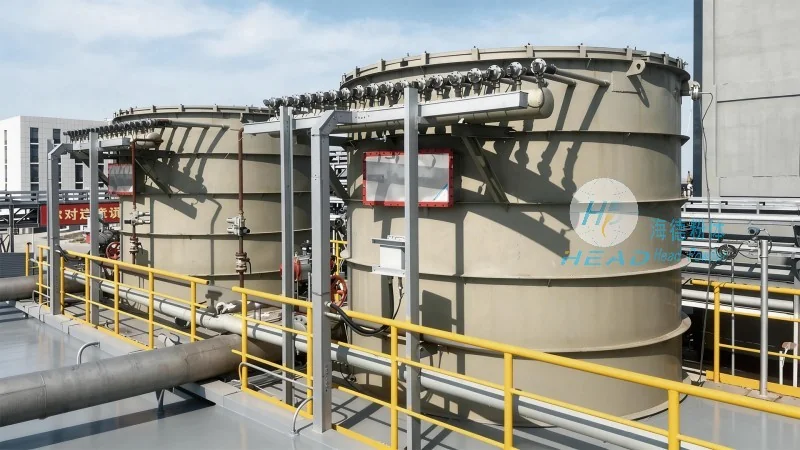
Key Technical Differences Between Positive and Negative Pressure Systems
When comparing positive and negative pressure conveying systems for lithium-ion anode materials, several technical aspects stand out. Positive pressure systems typically require higher initial investment due to the need for powerful blowers and robust piping, but they offer lower operational energy costs compared to vacuum systems. In contrast, negative pressure systems are generally more energy-intensive but provide superior containment of dust and particles, making them ideal for cleanroom or environmentally sensitive applications. The choice between the two modes also depends on the material's physical properties, such as particle size, density, and moisture content. For example, coarse or high-density powders may perform better in positive pressure systems, while fine or hygroscopic powders are better suited to negative pressure conveying to prevent material degradation.
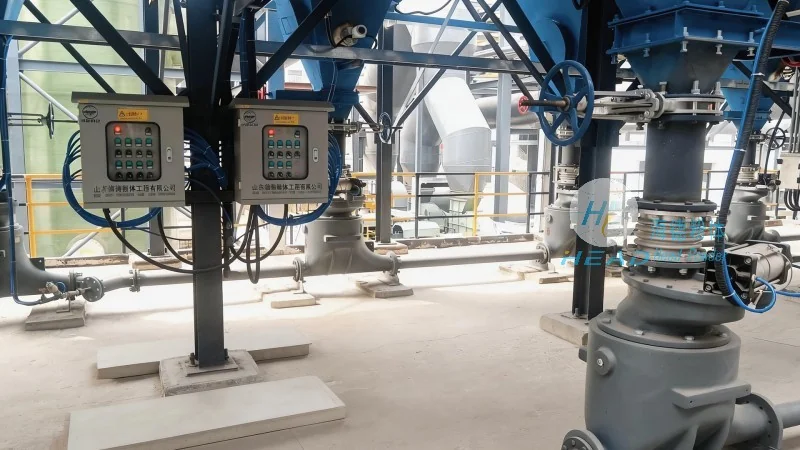
HeadPowder's Expertise in Designing Pneumatic Conveying Solutions
Shandong HeadPowder Engineering Co., Ltd. leverages decades of experience in the field to design customized pneumatic conveying systems that meet the specific requirements of lithium-ion anode material manufacturers. Our team of engineers conducts thorough assessments of production processes, material characteristics, and operational constraints to recommend the most efficient conveying mode. Whether a client prefers the reliability of positive pressure or the containment benefits of negative pressure, HeadPowder provides tailored solutions that enhance material handling efficiency, reduce downtime, and improve overall production quality. Our commitment to technical excellence and customer satisfaction ensures that each system is optimized for long-term performance and minimal maintenance.
Conclusion: Selecting the Right Conveying Mode for Lithium-Ion Anode Materials
In conclusion, the choice between positive pressure and negative pressure pneumatic conveying systems for lithium-ion anode materials depends on a balance of technical, operational, and environmental factors. Positive pressure systems excel in terms of efficiency and cost-effectiveness for many applications, while negative pressure systems offer superior dust control and are essential for cleanroom environments. By understanding the technical differences and material characteristics, manufacturers can select the most appropriate conveying mode to optimize their production processes. HeadPowder remains a trusted partner in this process, providing expert guidance and high-quality solutions to meet the evolving needs of the lithium-ion battery industry.




