Wheat starch, a critical raw material in the food and industrial sectors, demands efficient and reliable material handling solutions to maintain smooth production workflows. Pneumatic conveying systems have become a preferred method for transporting wheat starch due to their ability to handle fine powders with minimal dust and contamination. This technical analysis explores the two primary modes of pneumatic conveying—positive pressure and negative pressure—and compares their characteristics, advantages, and applications in the wheat starch industry.
About Shandong HeadPowder Engineering Co., Ltd.
HeadPowder, a leading engineering company headquartered in Shandong, China, specializes in the design, manufacturing, and installation of advanced material handling systems. With decades of experience in the industry, HeadPowder has developed a deep understanding of the unique challenges associated with handling wheat starch, enabling them to provide tailored solutions that meet the specific needs of clients. The company’s commitment to quality and innovation has positioned it as a trusted partner for businesses seeking reliable and efficient pneumatic conveying systems.
Positive Pressure Conveying Mode: Characteristics and Applications
Positive pressure conveying, also known as pressure pneumatic conveying, operates by forcing air or gas through the material to be transported. In this mode, a positive pressure is maintained throughout the entire conveying line, ensuring that the material is continuously pushed from the source to the destination. This method is particularly effective for transporting wheat starch over long distances or through complex system layouts.
The primary advantage of positive pressure conveying is its ability to handle high volumes of material with consistent flow rates. It is less susceptible to blockages compared to negative pressure systems, as the positive pressure helps to keep the material in motion. Additionally, this mode is well-suited for applications where the receiving point is at a higher elevation than the source, as the pressure can be used to overcome gravitational forces.
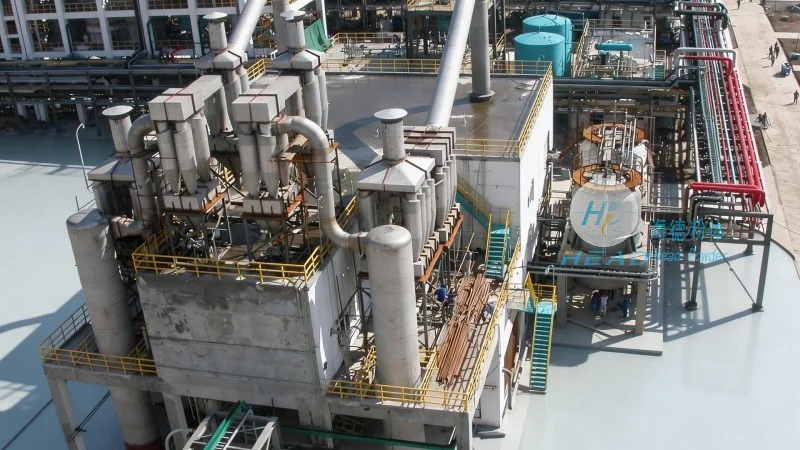
HeadPowder’s positive pressure conveying systems are designed with robust components, including high-efficiency blowers and durable pipelines, to ensure reliable operation. The company’s engineers can customize the system based on the specific characteristics of the wheat starch, such as particle size and moisture content, to optimize performance and minimize energy consumption.
Negative Pressure Conveying Mode: Characteristics and Applications
Negative pressure conveying, or vacuum pneumatic conveying, works by creating a vacuum in the conveying line, which draws the material from the source to the destination. This mode is typically used for shorter distances or when the receiving point is at a lower elevation than the source. The vacuum is generated by a vacuum pump, which pulls air and material through the system.
One of the key advantages of negative pressure conveying is its ability to handle fine powders with minimal dust generation. The vacuum helps to keep the material in suspension, reducing the risk of clogging and ensuring a smooth flow. This mode is also more energy-efficient for short-distance applications, as it requires less power to maintain the vacuum compared to maintaining high pressure.
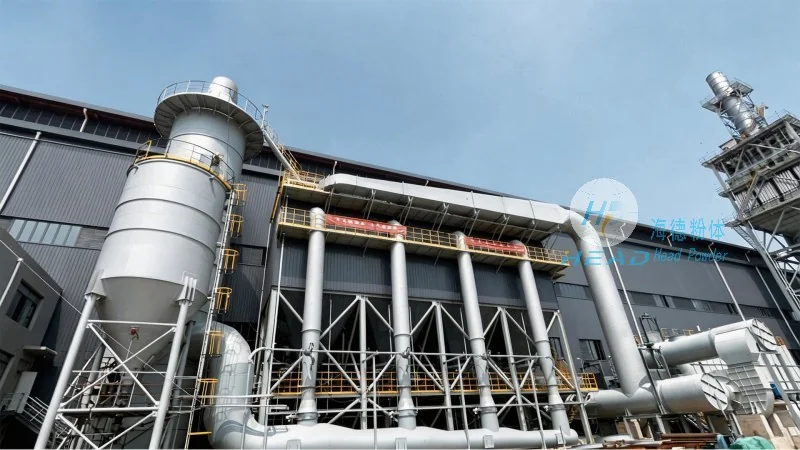
However, negative pressure systems are more prone to blockages and require more maintenance to prevent dust accumulation. HeadPowder addresses these challenges by incorporating advanced filtration systems and regular maintenance protocols to ensure the longevity and efficiency of the system. The company’s negative pressure conveying solutions are ideal for applications where the material is sensitive to pressure changes or where space constraints limit the use of positive pressure systems.
Comparison of Positive and Negative Pressure Conveying Modes
When selecting between positive and negative pressure conveying for wheat starch handling, several factors must be considered. The choice depends on the distance between the source and destination, the elevation difference, the material characteristics, and the overall system complexity. Positive pressure systems are generally preferred for long-distance or high-elevation applications due to their ability to maintain consistent flow and handle larger volumes. Negative pressure systems, on the other hand, are more suitable for short-distance or low-elevation applications where energy efficiency and minimal dust generation are critical.
Cost is another important factor. Positive pressure systems typically require more powerful blowers and higher pressure pipelines, making them more expensive to install and operate. Negative pressure systems, while less expensive initially, may incur higher maintenance costs due to the need for regular cleaning and filter replacement. HeadPowder’s expertise allows clients to evaluate these factors and choose the most cost-effective solution for their specific needs.
Environmental considerations also play a role in the selection process. Positive pressure systems may generate more noise and require additional ventilation systems, while negative pressure systems are generally quieter and produce less air pollution. HeadPowder’s systems are designed with environmental regulations in mind, ensuring compliance with local and international standards.
Tailored Solutions from HeadPowder
At Shandong HeadPowder Engineering Co., Ltd., we understand that no two wheat starch processing facilities are identical. Our team of experienced engineers works closely with clients to assess their operational requirements, material characteristics, and budget constraints to design a customized pneumatic conveying system. Whether a client needs a positive pressure system for long-distance transport or a negative pressure system for short-distance handling, HeadPowder provides comprehensive solutions that enhance efficiency, reduce downtime, and improve overall productivity.
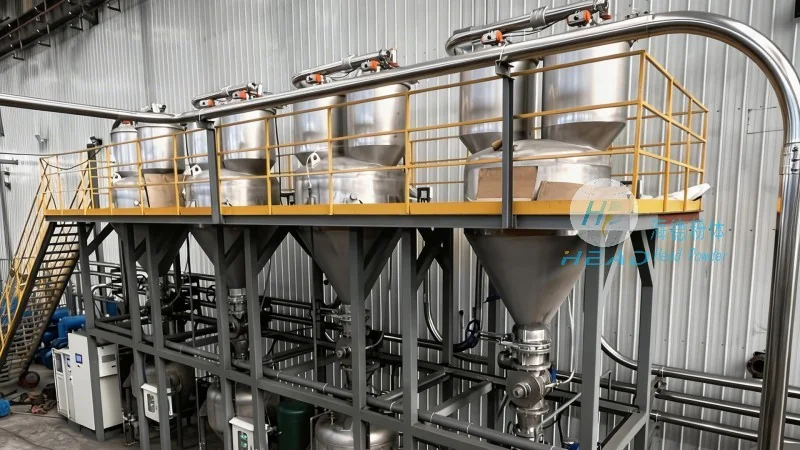
Our solutions include not only the conveying equipment but also supplementary components such as hoppers, filters, and control systems. We ensure that all components are compatible with the specific properties of wheat starch, minimizing the risk of material degradation or system failure. HeadPowder’s commitment to quality and customer satisfaction is reflected in our rigorous testing and quality control processes, which guarantee that every system meets or exceeds industry standards.
By choosing HeadPowder, clients gain access to a team of experts who are dedicated to providing reliable and efficient pneumatic conveying solutions. Our systems are designed to adapt to changing production needs, ensuring that businesses can scale their operations without compromising on performance. Whether you are a new or existing wheat starch producer, HeadPowder is ready to help you optimize your material handling processes and achieve your production goals.




