HeadPowder, a leading engineering firm based in Shandong, China, specializes in the design and implementation of advanced pneumatic conveying systems tailored for the lithium-ion battery material industry. This technical analysis focuses on the two primary modes of operation—positive pressure and negative pressure systems—providing a comprehensive comparison to help industry professionals make informed decisions.
Introduction to Pneumatic Conveying Systems in Lithium-Ion Battery Manufacturing
Pneumatic conveying systems are critical components in the production lines of lithium-ion batteries, responsible for efficiently transporting raw materials such as powders, granules, and other components from storage to processing units. The choice between positive and negative pressure modes significantly impacts system performance, operational costs, and material handling efficiency. Understanding the nuances of each mode is essential for optimizing production workflows and ensuring product quality.
Positive Pressure Pneumatic Conveying Systems
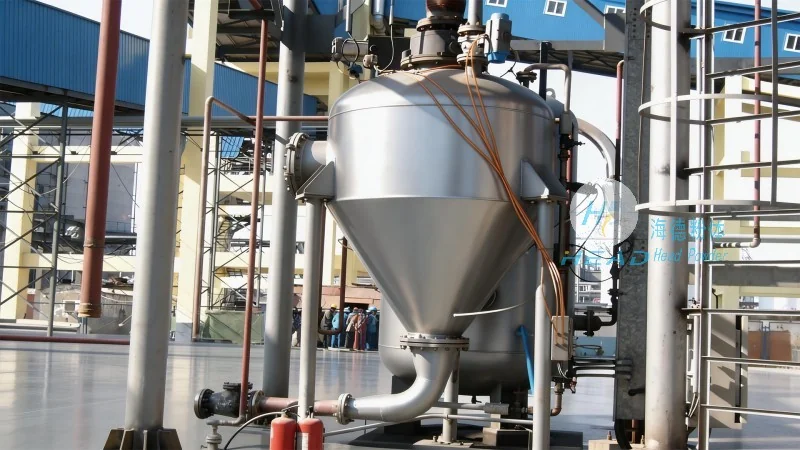
Positive pressure systems operate by blowing air or a carrier gas into a sealed pipeline, creating a pressure higher than the ambient environment. This method is widely used in the battery material industry due to its ability to handle a broad range of materials, including abrasive and corrosive powders. The primary advantage of positive pressure systems is their capacity to transport materials over longer distances and through complex piping networks without the need for multiple vacuum pumps. HeadPowder’s engineering solutions often incorporate positive pressure designs that utilize high-efficiency blowers and robust material handling components, ensuring reliable and continuous material flow.
Key Features and Benefits of Positive Pressure Systems
Positive pressure systems offer several advantages that make them suitable for high-volume material transport in lithium-ion battery manufacturing. These include: Enhanced Material Handling Capability, as they can handle fine powders and bulk materials with minimal degradation; Reduced Maintenance Requirements, due to the absence of vacuum-related components that may wear out quickly; and Improved Safety, as the system operates under positive pressure, minimizing the risk of dust explosions compared to negative pressure systems. Additionally, positive pressure systems are generally more energy-efficient for long-distance transport, as they can utilize larger-diameter pipes and lower air velocities, reducing operational costs over time.
Negative Pressure Pneumatic Conveying Systems
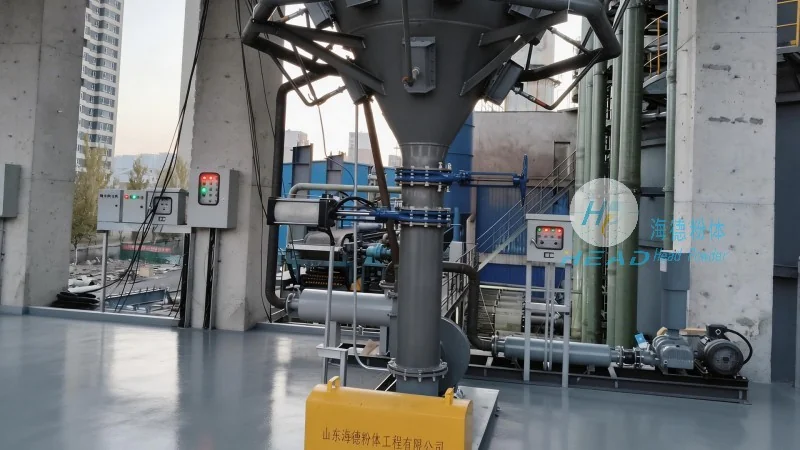
Negative pressure systems, conversely, create a vacuum in the pipeline, drawing material from the source into the system. This mode is particularly effective for applications requiring gentle material handling, such as transporting sensitive powders that are prone to agglomeration or degradation under high pressure. The negative pressure approach is often preferred in scenarios where the material source is located at a higher elevation or where the system needs to handle materials with low flowability.
Key Features and Benefits of Negative Pressure Systems
Negative pressure systems have distinct advantages that cater to specific operational needs. These include: Soft Material Handling, as the vacuum draws material without applying excessive force, preserving material integrity; Space Efficiency, as they can be installed in existing structures without requiring extensive modifications; and Flexibility in Source Location, allowing material to be drawn from elevated sources or remote locations. However, negative pressure systems typically require more complex vacuum pump setups and may have limitations in handling abrasive or high-volume materials due to potential blockages and higher energy consumption.
Comparative Analysis: Positive vs. Negative Pressure Systems
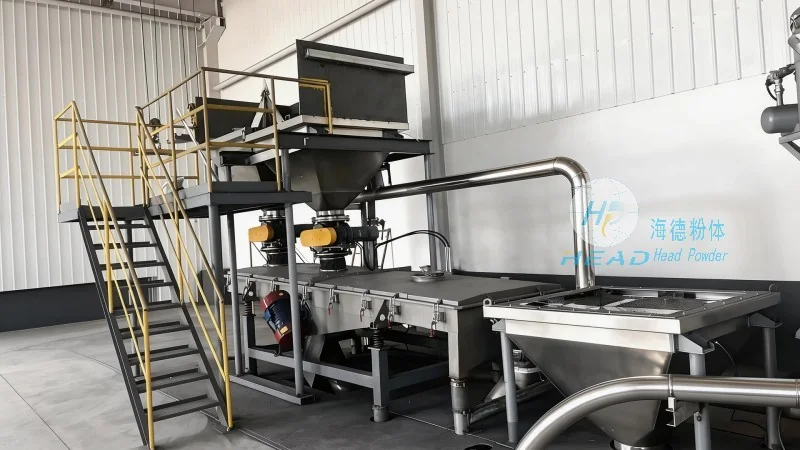
When evaluating pneumatic conveying systems for lithium-ion battery materials, it is crucial to weigh the advantages and disadvantages of both positive and negative pressure modes. The choice often depends on factors such as material properties, transport distance, system layout, and operational budget. Positive pressure systems excel in high-volume, long-distance transport with robust material handling capabilities, making them ideal for large-scale battery manufacturing facilities. In contrast, negative pressure systems are better suited for applications requiring gentle handling of sensitive materials or where space constraints and existing infrastructure dictate a vacuum-based approach.
HeadPowder’s Expertise in Pneumatic Conveying Solutions
As a trusted engineering partner, HeadPowder leverages its extensive experience in designing and implementing both positive and negative pressure pneumatic conveying systems for the lithium-ion battery industry. The company’s engineers work closely with clients to assess material characteristics, production requirements, and site conditions to recommend the most suitable system configuration. By integrating advanced control technologies and durable components, HeadPowder ensures that its systems deliver optimal performance, reliability, and cost-effectiveness. The company’s commitment to innovation and customer-centric solutions has made it a preferred choice for battery manufacturers seeking to enhance their material handling processes.
Conclusion
In conclusion, the selection of a pneumatic conveying system—whether positive or negative pressure—plays a pivotal role in the efficiency and success of lithium-ion battery material processing. Positive pressure systems offer robustness and efficiency for high-volume transport, while negative pressure systems provide gentle handling for sensitive materials. By understanding the unique requirements of each application and leveraging expert engineering, companies like HeadPowder can optimize their material handling processes, reduce operational costs, and maintain product quality. For businesses in the lithium-ion battery sector, partnering with a specialized engineering firm like HeadPowder is essential to achieve the best possible outcomes in material transport and overall production.




