Shandong HeadPowder Engineering Co., Ltd., headquartered in Shandong, China, is a prominent manufacturer specializing in the design, production, and supply of advanced pneumatic conveying systems. The company leverages cutting-edge engineering and high-quality materials, particularly polyurethane, to deliver durable and efficient solutions for material handling across various industries. With a strong commitment to innovation and customer satisfaction, HeadPowder has established itself as a trusted partner for businesses seeking reliable transport solutions.
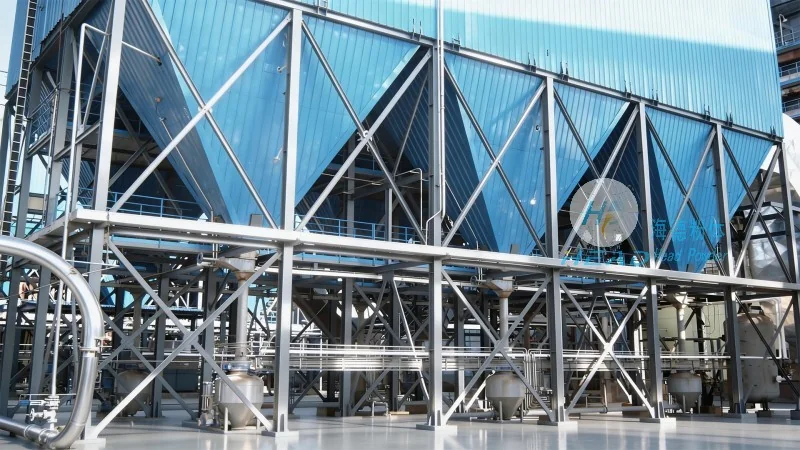
Positive Pressure vs. Negative Pressure Conveying: An Overview
Pneumatic conveying systems are widely utilized in industries such as pharmaceuticals, food processing, and chemical manufacturing to transport bulk materials. The core distinction between positive and negative pressure systems revolves around the pressure differential within the conveying line. Positive pressure systems operate by forcing air or gas into the line, creating a pressure higher than the ambient environment. In contrast, negative pressure systems create a vacuum, drawing material into the system by maintaining a lower pressure than the surroundings. This fundamental difference impacts system design, performance, and suitability for specific applications.
Polyurethane Pneumatic Conveying Systems: Key Features
Polyurethane is a preferred material for pneumatic conveying components due to its exceptional abrasion resistance, flexibility, and chemical compatibility. Components like hoses, pipes, and valves made from polyurethane offer superior durability and long service life, especially when handling abrasive or corrosive materials. The choice of polyurethane directly influences the overall efficiency and reliability of the conveying system. For instance, polyurethane hoses can withstand repeated flexing and exposure to harsh chemicals, reducing maintenance costs and downtime.
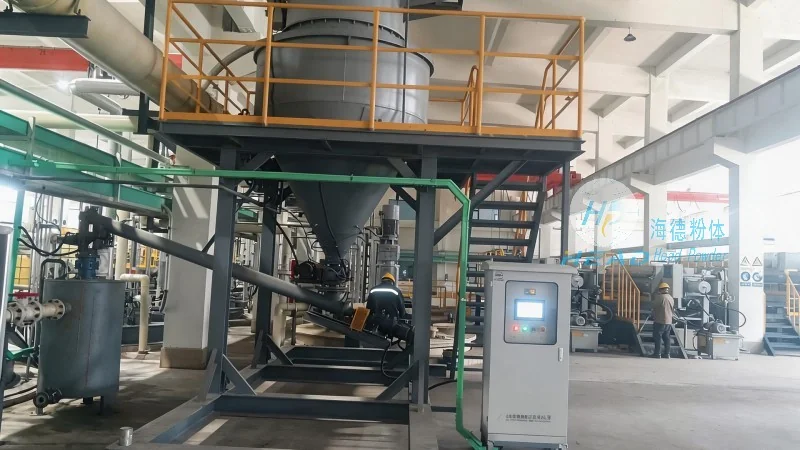
Characteristics and Applications of Positive Pressure Conveying
Positive pressure conveying systems utilize external air compressors to generate the necessary pressure, pushing material through the conveying line. This method is ideal for transporting materials over longer distances and at high capacities. The constant positive pressure ensures consistent flow and prevents material from escaping the system. Positive pressure is particularly advantageous for applications involving fine powders, granules, and bulk materials that require high throughput and minimal product degradation. For example, in the food industry, positive pressure systems can efficiently transport flour or sugar without compromising product quality.
Characteristics and Applications of Negative Pressure Conveying
Negative pressure conveying systems rely on vacuum pumps or fans to create a suction effect, drawing material into the system. This approach is well-suited for applications where material needs to be transported from a source to a destination without exposing the environment to dust or particles. Negative pressure is commonly used for handling sensitive materials, such as pharmaceuticals or food products, where contamination control is paramount. Additionally, it is effective for short-distance transport and when the material is light and easily entrained by the vacuum. In the chemical industry, negative pressure systems are often used to transport powders that are prone to caking or require gentle handling.
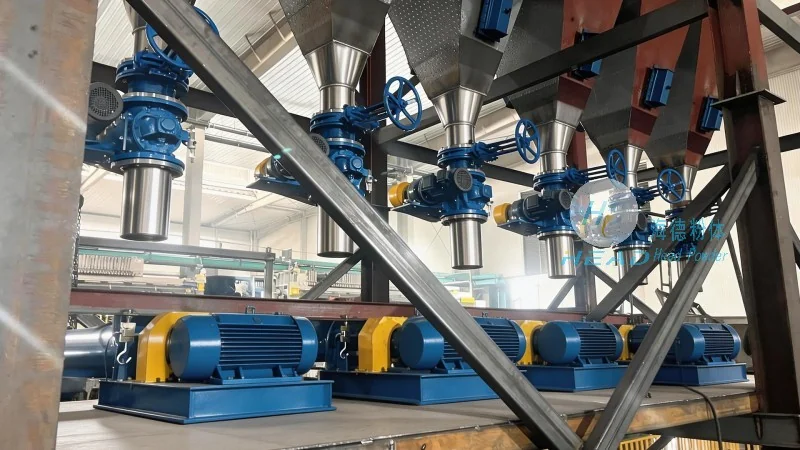
Distinguishing Between Positive and Negative Pressure Conveying
The key differences between positive and negative pressure systems can be summarized by their operational principles and typical applications. Positive pressure systems require air compressors to maintain pressure, while negative pressure systems use vacuum equipment to create suction. The choice between the two depends on several factors, including material properties, distance, capacity, and environmental considerations. For instance, if the material is abrasive and requires high durability, a positive pressure system with robust polyurethane components may be preferred. Conversely, if the material is sensitive and requires dust-free transport, a negative pressure system might be more appropriate. Additionally, the layout of the conveying line and the need for dust containment can influence the selection.
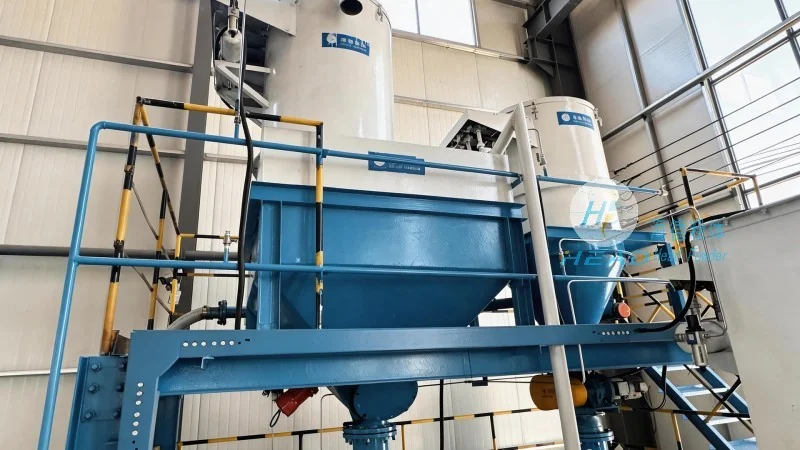
Selecting the Right Conveying Method
When deciding between positive and negative pressure for a polyurethane pneumatic conveying system, a thorough evaluation of operational needs is essential. First, assess the material characteristics, such as particle size, density, and abrasiveness. Fine, dry powders may benefit from positive pressure due to its ability to maintain consistent flow and prevent blockages. For materials that are prone to caking or require gentle handling, negative pressure might be more suitable as it reduces the risk of material degradation. Second, consider the distance and layout of the conveying line. Longer distances typically require positive pressure to ensure sufficient pressure to overcome friction and elevation changes. Shorter distances or horizontal transport may be effectively handled by negative pressure. Third, evaluate environmental and safety requirements. Positive pressure systems may necessitate dust control measures, while negative pressure systems are better for applications where dust containment is critical, such as in food or pharmaceutical processing.
Conclusion
Choosing between positive and negative pressure for polyurethane pneumatic conveying involves a careful balance of operational efficiency, material compatibility, and environmental considerations. Shandong HeadPowder Engineering Co., Ltd. provides tailored solutions that address these factors, ensuring efficient and reliable material transport. By understanding the differences and benefits of each approach, industries can select the most appropriate conveying method to enhance productivity and maintain product quality. The company’s expertise in polyurethane components and system design enables businesses to achieve optimal performance and longevity in their pneumatic conveying operations.




