HeadPowder, a leading engineering firm based in Shandong, China, specializes in the design and implementation of advanced gas-solid pneumatic conveying systems for sintering dust applications. This technical analysis delves into the key differences between positive pressure and negative pressure conveying modes, offering insights to help industrial clients select the most suitable solution for their specific operational needs.
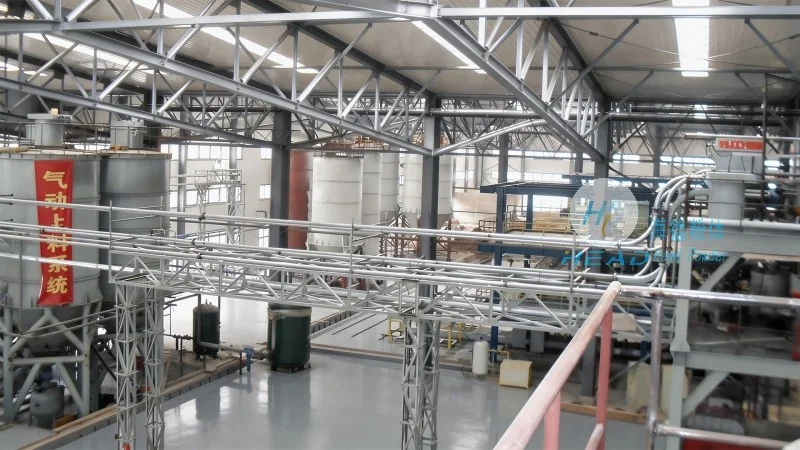
Introduction to Sintering Dust Gas-Solid Pneumatic Conveying
Sintering dust, a byproduct of the sintering process in steel production, requires efficient and reliable handling to maintain plant efficiency and environmental compliance. Gas-solid pneumatic conveying systems have emerged as a preferred method for transporting these fine particulates due to their ability to handle high volumes, minimize dust emissions, and integrate seamlessly with existing production lines. The choice between positive pressure and negative pressure systems is a critical decision that impacts system performance, maintenance costs, and overall operational safety.
Positive Pressure Conveying Mode: Advantages and Technical Features
Positive pressure conveying systems operate by blowing air or a carrier gas into the conveying line, creating a pressure higher than the ambient atmosphere. This mode is widely used in sintering dust applications due to several key advantages. First, it offers excellent material handling capabilities, as the positive pressure ensures consistent flow rates and prevents material blockages. The system is particularly effective for transporting abrasive or sticky dust, as the high-pressure air maintains the material in suspension, reducing wear on equipment components. Additionally, positive pressure systems are generally more straightforward to install and maintain, with fewer complex components compared to negative pressure systems.
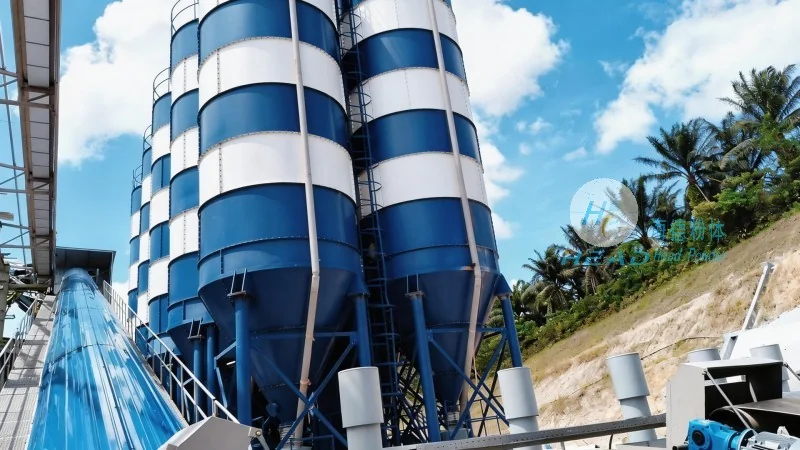
From a technical perspective, positive pressure conveying relies on high-pressure blowers or compressors to generate the necessary airflow. The system typically includes a dust collection hopper, a rotary airlock feeder, and a pipeline network that transports the dust to the destination silo or processing unit. The pressure differential ensures that the material is continuously moved through the line, with the air acting as both a carrier and a cleaning agent to prevent dust buildup. HeadPowder’s engineering expertise allows for the optimization of positive pressure systems, ensuring they meet the specific flow rates and pressure requirements of each client’s sintering plant.
Negative Pressure Conveying Mode: Benefits and Operational Considerations
Negative pressure conveying, also known as suction or vacuum conveying, operates by creating a vacuum in the conveying line, drawing material from the source into the system. This mode is often preferred for applications where the dust source is located at a higher elevation or where the material is sensitive to high temperatures. Negative pressure systems are particularly effective for handling fine, low-density dust, as the vacuum ensures that the material is drawn into the line without the need for high-pressure air.
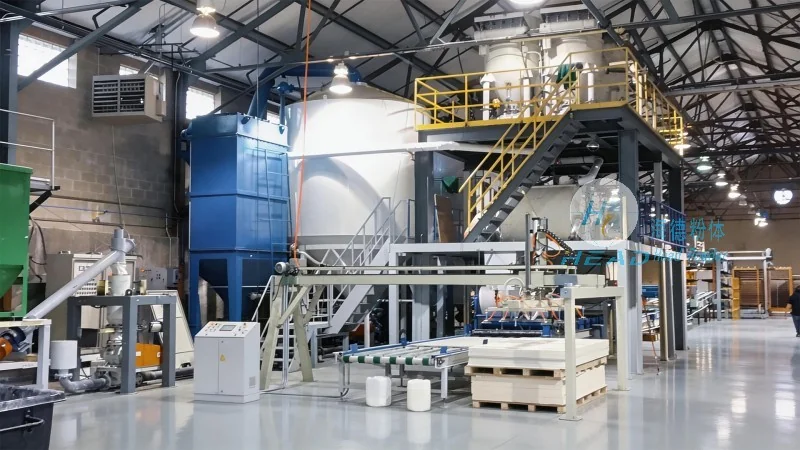
One of the primary benefits of negative pressure conveying is its ability to minimize dust emissions at the source. The vacuum created in the system draws the dust into the collection hopper, reducing the risk of fugitive emissions and improving workplace safety. Additionally, negative pressure systems are more energy-efficient for certain applications, as they require less power to maintain the vacuum compared to the high-pressure air needed for positive pressure systems. However, negative pressure conveying also has some operational considerations that must be addressed. The system is more prone to clogging if the material contains high moisture content or is prone to agglomeration, as the vacuum may not provide sufficient force to maintain material suspension. Maintenance of the vacuum pump and filter system is also more critical in negative pressure systems to prevent dust accumulation and ensure consistent performance.
Comparative Analysis: Positive Pressure vs. Negative Pressure
When comparing positive and negative pressure conveying modes for sintering dust applications, several factors must be considered to determine the optimal solution. The choice depends on the specific characteristics of the dust, such as particle size, moisture content, and abrasiveness, as well as the layout of the sintering plant and the destination of the transported material. Positive pressure systems are generally more suitable for long-distance conveying or when the material is abrasive and requires high flow rates. They are also easier to scale up for large-scale operations, as the pressure can be increased to handle higher volumes without significant changes to the system design.
On the other hand, negative pressure systems are ideal for short-distance conveying or when the dust source is at a higher elevation. They are particularly effective for handling fine, low-density dust and for applications where minimizing dust emissions is a top priority. However, negative pressure systems may require more complex filtration systems to prevent dust buildup and may have higher maintenance costs due to the need for regular filter changes and vacuum pump upkeep.
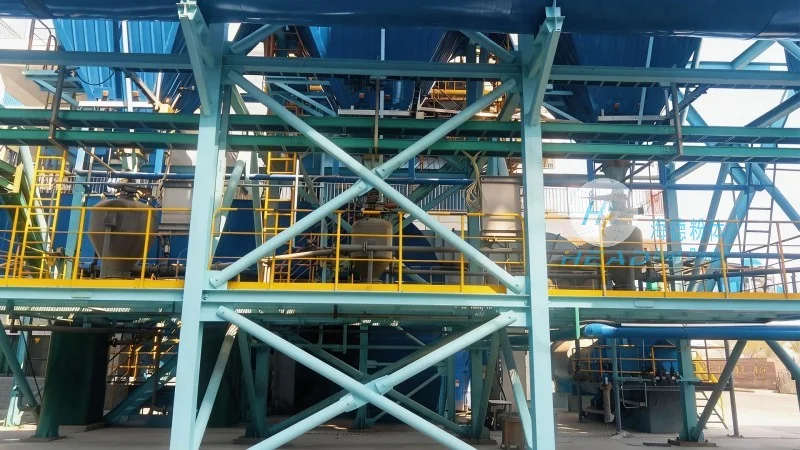
HeadPowder’s Expertise in Sintering Dust Conveying Solutions
As a leading engineering company based in Shandong, China, HeadPowder has extensive experience in designing and implementing both positive and negative pressure pneumatic conveying systems for sintering dust applications. The company’s team of engineers leverages advanced technology and industry best practices to develop customized solutions that meet the unique requirements of each client. Whether a client needs a positive pressure system for high-volume, long-distance transport or a negative pressure system for low-emission, short-distance handling, HeadPowder provides comprehensive support from system design and installation to ongoing maintenance and optimization.
HeadPowder’s commitment to quality and innovation ensures that its pneumatic conveying systems are built to withstand the harsh conditions of sintering plants, with durable materials and robust components that minimize downtime and maintenance costs. The company’s engineering team works closely with clients to conduct thorough site assessments and material analysis, ensuring that the selected system is optimized for performance, efficiency, and safety. By choosing HeadPowder, industrial clients can rely on a partner with the expertise and resources to deliver reliable, high-performance sintering dust gas-solid pneumatic conveying solutions.




