When it comes to transporting fine powders and granular materials, selecting the right pneumatic conveying system is crucial for efficiency, cost-effectiveness, and operational safety. Two primary types of systems dominate the industry: positive pressure and negative pressure. Understanding the distinctions between these two approaches is essential for making an informed decision that aligns with specific material characteristics, process requirements, and facility constraints. This article explores the key differences between positive pressure and negative pressure pneumatic conveying, helping you determine which method is best suited for your application.
Overview of Pneumatic Conveying Systems
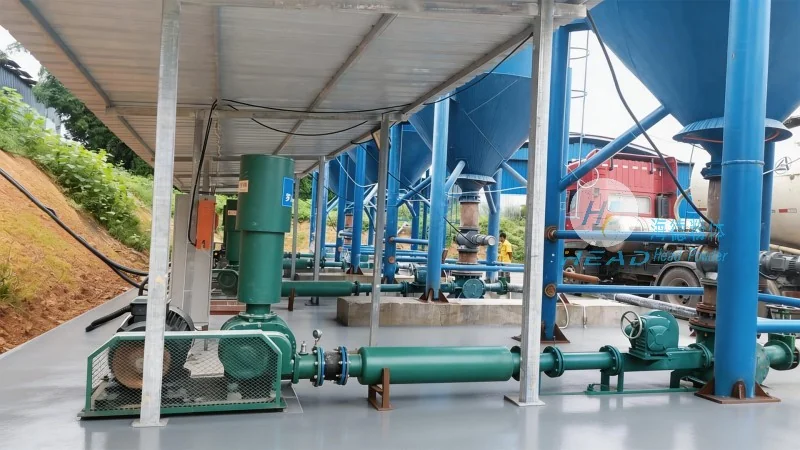
Pneumatic conveying systems use air or other gases to transport bulk materials from one location to another. These systems are widely used in industries such as pharmaceuticals, food processing, chemicals, and minerals due to their ability to handle fine powders without the need for mechanical components like conveyors or elevators. The choice between positive and negative pressure systems depends on factors like material properties, distance, volume, and environmental considerations.
Positive Pressure Pneumatic Conveying
Positive pressure systems operate by blowing air or gas into the conveying line, creating a pressure higher than the ambient air pressure. This method pushes the material through the system, making it suitable for applications where the material needs to be transported over longer distances or through complex piping networks. The primary advantage of positive pressure is its ability to handle abrasive or corrosive materials without causing wear on the system components. Additionally, positive pressure systems are generally more efficient for high-volume material transport, as they can maintain consistent flow rates and minimize material degradation.
Shandong HeadPowder Engineering Co., Ltd., a leading provider of pneumatic conveying solutions, specializes in designing and manufacturing positive pressure systems tailored to the unique needs of various industries. With years of experience, the company has developed advanced technologies that enhance the performance and reliability of these systems, ensuring optimal material handling for clients worldwide. The engineering expertise at HeadPowder ensures that positive pressure solutions are not only efficient but also durable and cost-effective, addressing the diverse requirements of modern industrial operations.
Negative Pressure Pneumatic Conveying
Negative pressure systems, also known as vacuum or suction systems, operate by creating a lower pressure inside the conveying line compared to the ambient air. This creates a suction effect that draws the material into the system. Negative pressure is often preferred for applications involving fine powders that are sensitive to pressure changes or where the material needs to be transported from multiple points to a central collection point. One of the key benefits of negative pressure is its ability to handle materials that are prone to dust generation or that require a clean, dust-free environment, as the system draws material in rather than blowing it out.
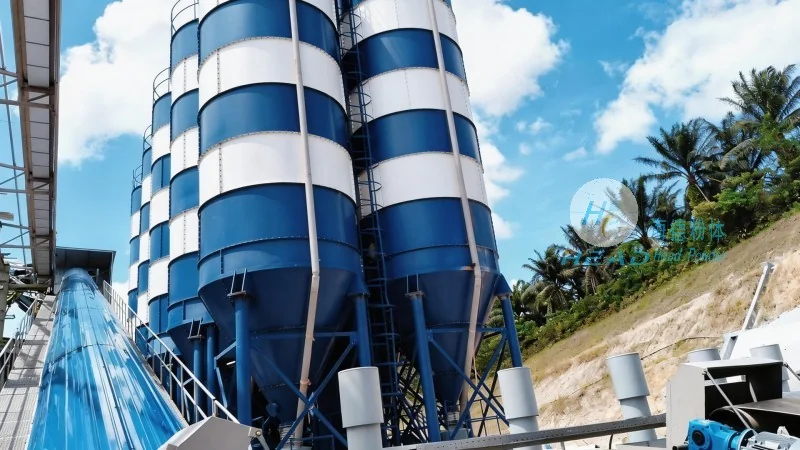
Shandong HeadPowder Engineering Co., Ltd. also offers negative pressure solutions that are designed to minimize dust emissions and maintain a controlled environment. The company’s expertise in vacuum technology allows for the development of systems that are both effective and environmentally friendly, addressing the growing demand for sustainable material handling solutions. By leveraging advanced filtration and air management techniques, HeadPowder ensures that negative pressure systems meet the highest standards of performance and safety, protecting both personnel and equipment from potential hazards.
Distinguishing Between Positive and Negative Pressure Systems
The primary difference between positive and negative pressure systems lies in the direction of air flow and the pressure differential. In positive pressure systems, air is forced into the line, pushing the material forward, while in negative pressure systems, air is drawn out, creating a vacuum that pulls the material in. This fundamental difference impacts several aspects of the system, including material handling efficiency, energy consumption, and environmental impact.
Material characteristics play a significant role in selecting the appropriate system. For example, abrasive or heavy materials are better suited for positive pressure, as the constant air pressure helps to maintain material flow without causing blockages. In contrast, fine powders that are light and easily suspended are often better handled by negative pressure, as the suction effect prevents material from settling and ensures smooth transport. Additionally, the distance and complexity of the conveying path influence the choice: positive pressure is ideal for long, complex routes, while negative pressure is more suitable for shorter, simpler systems.
Energy consumption is another critical factor. Positive pressure systems typically require more energy to operate, as they need to generate and maintain higher air pressure. Negative pressure systems, on the other hand, consume less energy but may require more robust filtration systems to prevent dust from escaping into the environment. The choice between the two often involves a trade-off between energy efficiency and environmental compliance, with companies like Shandong HeadPowder Engineering Co., Ltd. offering tailored solutions that balance these considerations.
Application Examples and Industry Use Cases
Positive pressure systems are commonly used in industries such as pharmaceuticals, where the transport of sterile powders requires a controlled environment and minimal contamination. The high pressure in these systems ensures that materials are moved efficiently without compromising quality. In the food processing industry, positive pressure is used to handle powders like flour and sugar, where the risk of cross-contamination is a major concern. The ability to maintain a positive pressure environment helps to prevent external contaminants from entering the system, ensuring product safety.
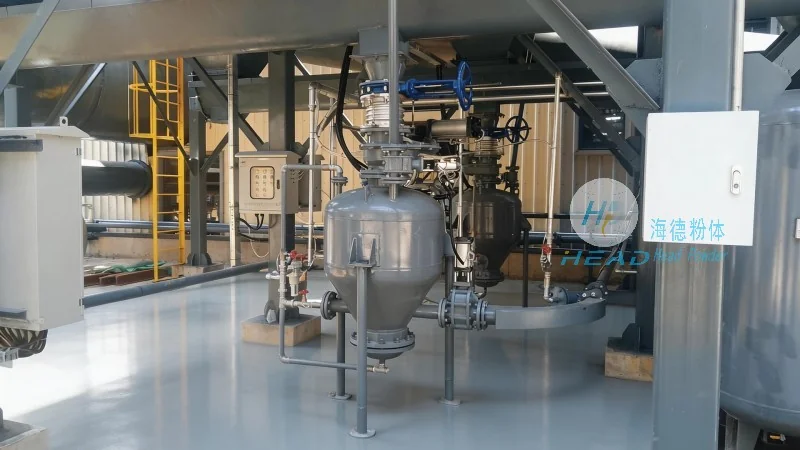
Negative pressure systems are widely used in the chemical and mineral processing industries, where fine powders need to be collected from multiple points and transported to a central processing unit. The suction effect in these systems allows for the efficient collection of dust and particulate matter, reducing the risk of airborne contamination. In the agricultural sector, negative pressure is used to handle materials like grain and feed, where the need to minimize dust and maintain a clean working environment is essential. The ability to draw material in rather than blow it out makes negative pressure systems ideal for applications where dust control is a priority.
Key Considerations for Choosing the Right System
When deciding between positive and negative pressure pneumatic conveying systems, several factors must be considered. First, the material properties, including particle size, density, and moisture content, should be evaluated. Fine powders with high moisture content may require positive pressure to prevent clumping, while dry, light powders are better suited for negative pressure. Second, the distance and layout of the conveying path are critical. Longer or more complex routes often necessitate positive pressure, while shorter, simpler systems can use negative pressure. Third, environmental regulations and safety standards must be taken into account. Positive pressure systems may be required in environments where dust emissions are strictly controlled, while negative pressure systems are preferred in applications where dust is a health hazard.
Shandong HeadPowder Engineering Co., Ltd. provides comprehensive consultation services to help clients evaluate these factors and select the most appropriate system. The company’s team of engineers works closely with clients to understand their specific needs, offering customized solutions that optimize performance, reduce costs, and ensure compliance with industry standards. By leveraging advanced technology and extensive experience, HeadPowder helps businesses make informed decisions that enhance operational efficiency and sustainability.
Conclusion
Choosing between positive pressure and negative pressure pneumatic conveying systems is a critical decision that impacts the efficiency, safety, and cost-effectiveness of material handling operations. Positive pressure systems are ideal for high-volume, long-distance transport of abrasive or heavy materials, while negative pressure systems are better suited for fine powders that require dust control and a clean environment. By understanding the differences between these two approaches and considering material properties, system requirements, and environmental factors, businesses can select the most appropriate system for their needs. Shandong HeadPowder Engineering Co., Ltd. stands as a trusted partner in this process, offering innovative solutions that meet the evolving demands of modern industry.




