When it comes to the pneumatic conveying of aluminum battery materials, selecting the right system is crucial for efficiency, safety, and operational reliability. The two primary options are positive pressure conveying and negative pressure conveying. Understanding the differences and the factors that influence the choice between them is essential for optimizing material handling processes in the aluminum battery industry. This article explores the key aspects of both positive and negative pressure conveying systems, helping to clarify how to make the right decision for your specific application.
Understanding Positive Pressure Conveying
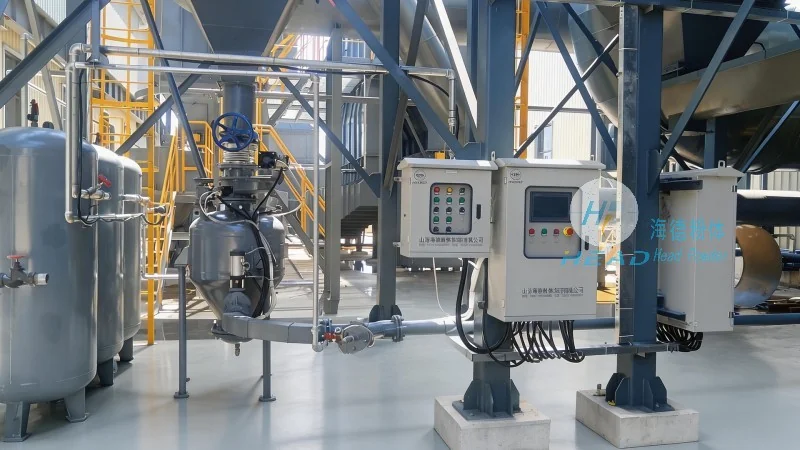
Positive pressure conveying, also known as pressure pneumatic conveying, operates by blowing air or other gas into the conveying line, creating a positive pressure environment. The material is then drawn into the system and transported through the pipeline. This method is particularly effective for conveying materials over longer distances and at higher capacities. The positive pressure system typically uses a blower or compressor to generate the necessary pressure, ensuring that the material is continuously pushed through the pipeline. One of the main advantages of positive pressure conveying is its ability to handle abrasive and corrosive materials, which are common in aluminum battery production. The system can also handle materials with a wide range of particle sizes and moisture content, making it versatile for various production stages. However, it is important to note that positive pressure systems require more robust equipment and higher energy consumption compared to negative pressure systems. The higher pressure also means that the system is more susceptible to leaks and requires more stringent maintenance to prevent material leakage and air loss.
Understanding Negative Pressure Conveying
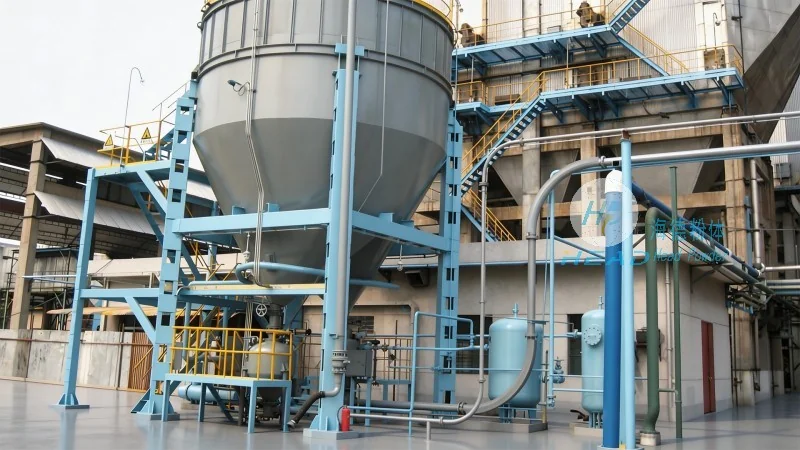
Negative pressure conveying, or vacuum pneumatic conveying, works by creating a vacuum in the conveying line, which draws the material into the system. The material is then carried by the air flow through the pipeline to the destination. This method is generally more suitable for shorter conveying distances and lower material volumes. Negative pressure systems are often preferred for applications where the material is sensitive to high pressure or where the environment needs to be protected from dust and contamination. The vacuum system uses a vacuum pump to create the necessary suction, and the material is drawn into the pipeline as the air is pulled through. A key advantage of negative pressure conveying is its lower energy consumption and reduced equipment complexity compared to positive pressure systems. The system is also less likely to cause dust emissions at the inlet, as the material is drawn in rather than being blown out. However, negative pressure systems have limitations in terms of conveying distance and material capacity. They are not as effective for handling abrasive or high-density materials over long distances, as the vacuum may not be sufficient to maintain the material flow. Additionally, the system requires careful sealing to prevent air leakage, which can affect the vacuum level and material transport efficiency.
Distinguishing Between Positive and Negative Pressure Conveying
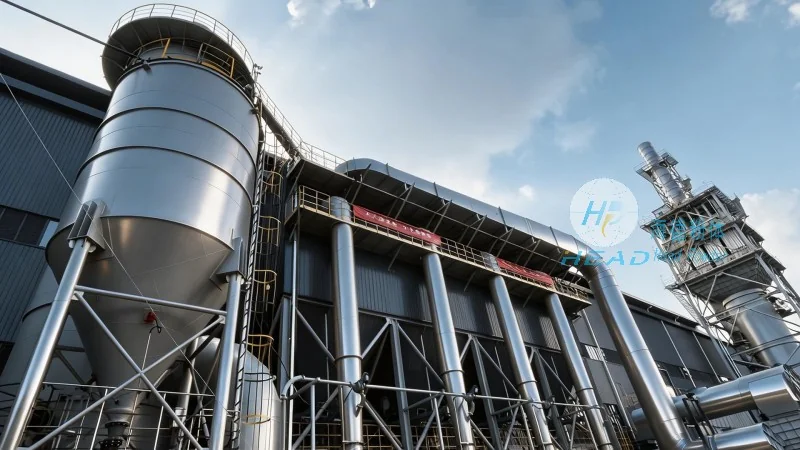
Choosing between positive and negative pressure conveying depends on several factors, including the material characteristics, conveying distance, system requirements, and operational environment. Material properties such as particle size, density, moisture content, and abrasiveness play a significant role in the selection. For example, if the material is abrasive and needs to be conveyed over a long distance, a positive pressure system is often the better choice due to its higher pressure capability and ability to handle such materials effectively. Conversely, if the material is fine and dusty, and the conveying distance is short, a negative pressure system may be more suitable as it minimizes dust emissions and is less complex. The conveying distance is another critical factor. Positive pressure systems are generally preferred for distances exceeding 100 meters, while negative pressure systems are more appropriate for shorter distances, typically up to 50 meters. The system's capacity and throughput requirements also influence the choice. Positive pressure systems can handle higher capacities and are better suited for high-volume production lines, whereas negative pressure systems are better for lower volume or intermittent material transport. Environmental considerations, such as the need to maintain a clean or dust-free environment, can also guide the selection. Negative pressure systems are often chosen for applications where dust control is a priority, as they draw material into the system rather than expelling it. Finally, the available space and infrastructure for the system installation should be considered. Positive pressure systems may require more space for the blower and associated equipment, while negative pressure systems can be more compact, especially with vacuum pumps that are smaller in size.
About HeadPowder: Your Partner in Aluminum Battery Material Handling
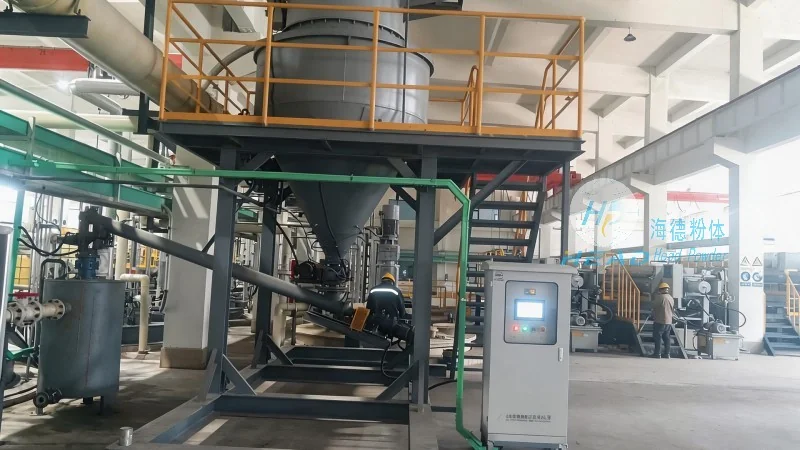
Shandong HeadPowder Engineering Co., Ltd., commonly known as HeadPowder, is a leading provider of advanced material handling solutions tailored for the aluminum battery industry. With a strong focus on innovation and customer satisfaction, HeadPowder specializes in designing and manufacturing high-quality pneumatic conveying systems that meet the specific needs of aluminum battery manufacturers. The company's expertise lies in understanding the unique challenges of aluminum battery material handling, such as the handling of powders, granules, and other bulk materials. HeadPowder's team of engineers and technicians work closely with clients to assess their material characteristics, production requirements, and operational constraints to recommend the most suitable conveying system. Whether it's a positive pressure or negative pressure system, HeadPowder offers customized solutions that ensure efficient, safe, and reliable material transport. The company's products are designed with durability and low maintenance in mind, ensuring long-term performance and minimal downtime. HeadPowder's commitment to quality is reflected in its adherence to international standards and rigorous testing procedures. By choosing HeadPowder, aluminum battery manufacturers can benefit from reliable material handling systems that enhance productivity and reduce operational costs. The company's presence in China, with its headquarters in Shandong, positions it as a trusted partner for businesses seeking to optimize their material handling processes in the aluminum battery sector.




