When it comes to transporting fly ash, selecting the right pneumatic conveying system is crucial for efficiency, cost-effectiveness, and operational safety. The two primary approaches are positive pressure and negative pressure systems, each with distinct characteristics and applications. This article will explore the key differences between these two methods, helping you make an informed decision for your fly ash handling needs.
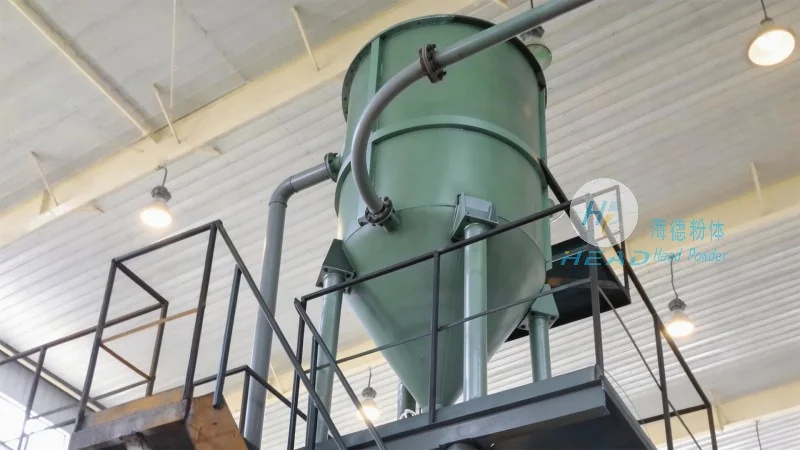
Key Characteristics of Positive Pressure Pneumatic Conveying Systems
Positive pressure systems operate by blowing air or gas into the conveying line, creating a pressure higher than the ambient air pressure. This method is commonly used for short to medium-distance transport and is particularly suitable for applications where the material is light and the system needs to be self-cleaning. The primary advantage of positive pressure is its ability to handle a wide range of materials, including those with high moisture content or abrasive properties. The system typically uses a positive displacement blower or a centrifugal fan to generate the necessary pressure, ensuring consistent material flow. For fly ash applications, positive pressure systems are often preferred when the conveying distance is limited, and the material is relatively dry. The equipment includes a hopper, a rotary valve, a pipeline, and a receiver, all designed to maintain the pressure within the system. The blower is located at the discharge end, pushing the material through the pipeline. This setup helps in preventing dust leakage and maintaining a clean environment at the source.
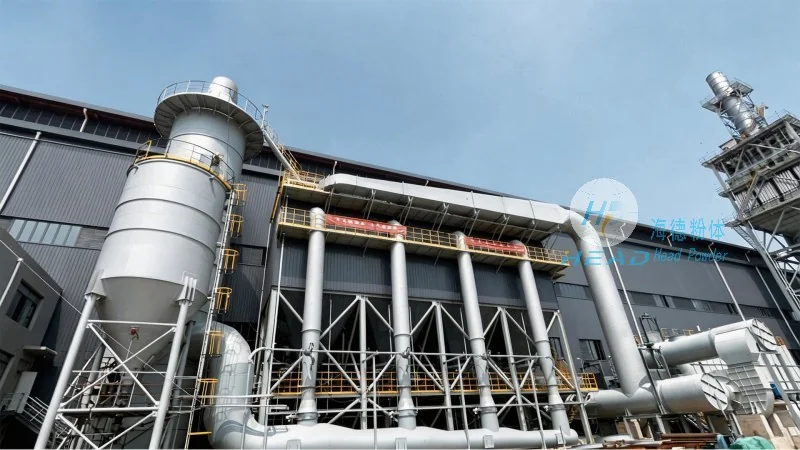
Key Characteristics of Negative Pressure Pneumatic Conveying Systems
Negative pressure systems, conversely, work by creating a vacuum in the conveying line, drawing material from the source into the system. The air or gas is drawn from the line, creating a pressure lower than the ambient air pressure. This method is ideal for long-distance transport and for handling materials that are sensitive to pressure changes or require a clean environment at the source. The main advantage of negative pressure is its ability to handle longer distances with less energy consumption compared to positive pressure systems. The system typically uses a vacuum pump or a fan to create the vacuum, and the material is drawn from the hopper into the pipeline. For fly ash, negative pressure systems are often used when the conveying distance is significant, and the material needs to be transported without exposing it to high pressures. The equipment includes a hopper, a rotary valve, a pipeline, and a receiver, with the vacuum pump located at the inlet end. This setup helps in maintaining a dust-free environment at the source and preventing material degradation due to pressure.
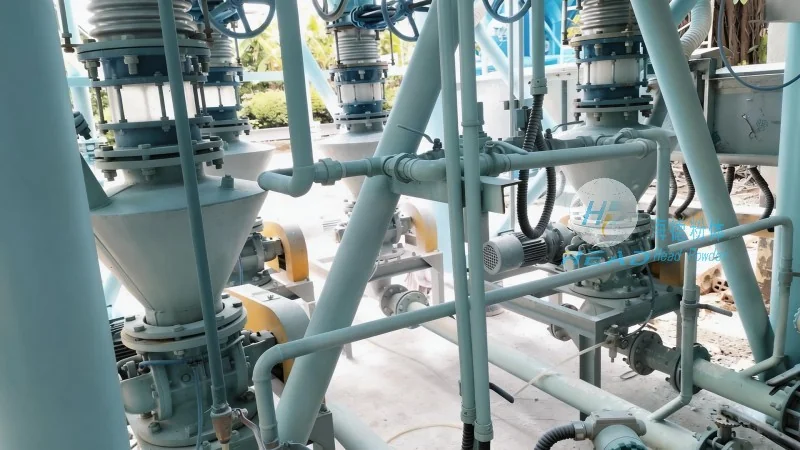
How to Distinguish Between the Two Systems Based on Application Requirements
Choosing between positive and negative pressure systems depends on several factors, including the conveying distance, material properties, and operational environment. Here are some key considerations to help you differentiate:
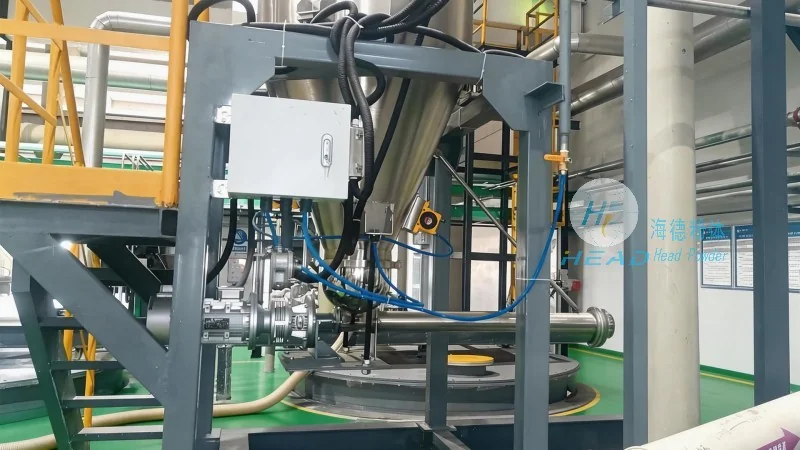
- Conveying Distance: Positive pressure systems are generally suitable for short to medium distances (typically up to 100 meters), while negative pressure systems can handle longer distances (up to several hundred meters or more). If your fly ash needs to be transported over long distances, a negative pressure system may be more appropriate.
- Material Properties: For fly ash with high moisture content or abrasive characteristics, positive pressure systems may be preferred as they can handle these materials more effectively. Negative pressure systems are better suited for materials that are sensitive to pressure changes or require a clean environment.
- Environmental Considerations: Positive pressure systems are better for applications where dust leakage is a concern, as the system maintains a higher pressure at the source. Negative pressure systems are ideal for environments where the source needs to be kept clean and free from dust exposure.
- Energy Efficiency: Negative pressure systems are often more energy-efficient for long-distance transport, as they require less power to create a vacuum compared to the pressure needed for positive pressure systems. However, the initial cost and maintenance of vacuum pumps may be higher.
Factors to Consider When Selecting a System for Fly Ash Handling
When deciding between positive and negative pressure systems for fly ash, it's essential to evaluate several factors to ensure the best fit for your operation. The following points should be considered:




