HeadPowder, a leading engineering company based in Shandong, China, specializes in the design and implementation of advanced pneumatic conveying systems tailored for various powder handling applications, including the efficient transport of chilli powder. This article explores the fundamental working principle and key characteristics of such systems, providing insights into their operational efficiency and suitability for industrial use.
Understanding the Working Principle of Pneumatic Conveying for Chilli Powder
Pneumatic conveying systems operate by utilizing air or gas to transport bulk materials like chilli powder through a pipeline network. The process typically involves a combination of positive and negative pressure zones to move the powder from the source to the destination. In a positive pressure system, air is forced through the pipeline, carrying the powder particles along with it. Conversely, negative pressure systems create a vacuum that draws the powder into the pipeline. For chilli powder, which is often sensitive to moisture and temperature changes, the choice of system and air pressure is critical to maintain product quality during transport.
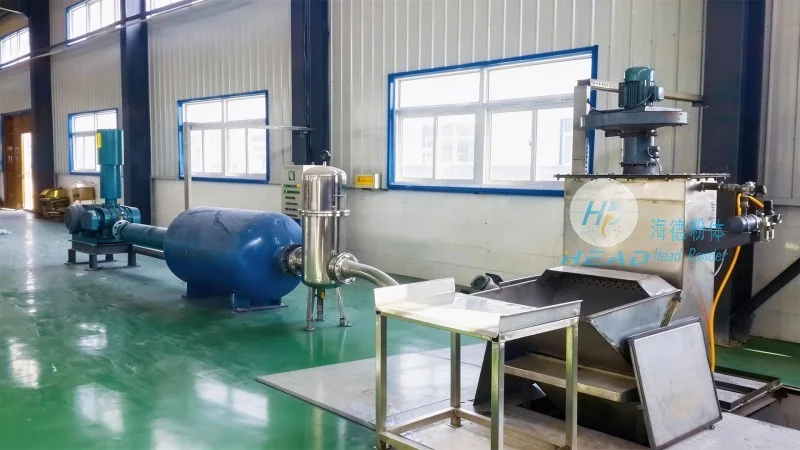
The core components of a pneumatic conveying system for chilli powder include a hopper for material storage, a feeder to control the flow rate, a conveying line, and a receiver for the discharged material. The feeder, often a rotary valve or a star feeder, ensures a consistent and controlled feed of the powder into the system. The conveying line is designed with appropriate diameters and bends to minimize pressure loss and prevent material degradation. The receiver, equipped with a dust collection system, collects the conveyed powder and may include features like a bagging unit or a storage silo.
Key Characteristics of Pneumatic Conveying Systems for Chilli Powder
Efficiency and Product Integrity: One of the primary characteristics of pneumatic conveying for chilli powder is its ability to maintain product integrity. By using controlled air flow and avoiding direct contact with mechanical components, the system minimizes the risk of contamination, agglomeration, or degradation of the powder's flavor and color. This is particularly important for chilli powder, which is a key ingredient in many food products and requires consistent quality.
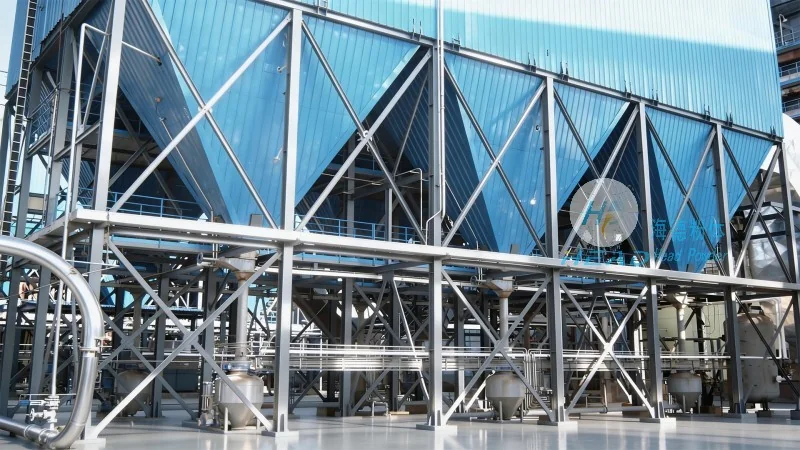
Flexibility and Scalability: Pneumatic conveying systems offer high flexibility in terms of layout and integration with existing production lines. They can be designed to handle varying powder flow rates and can be scaled up or down to accommodate different production capacities. This makes them suitable for both small-scale and large-scale operations in the food processing industry.
Energy Efficiency and Cost-Effectiveness: Compared to traditional mechanical conveying methods like belt conveyors or bucket elevators, pneumatic conveying systems can be more energy-efficient, especially for long-distance or high-volume transport. The use of air as the conveying medium reduces the need for moving parts and maintenance, leading to lower operational costs over time. For chilli powder, which is often transported in large quantities, the energy savings and reduced maintenance can significantly impact the overall production cost.
Application-Specific Considerations for Chilli Powder Conveying
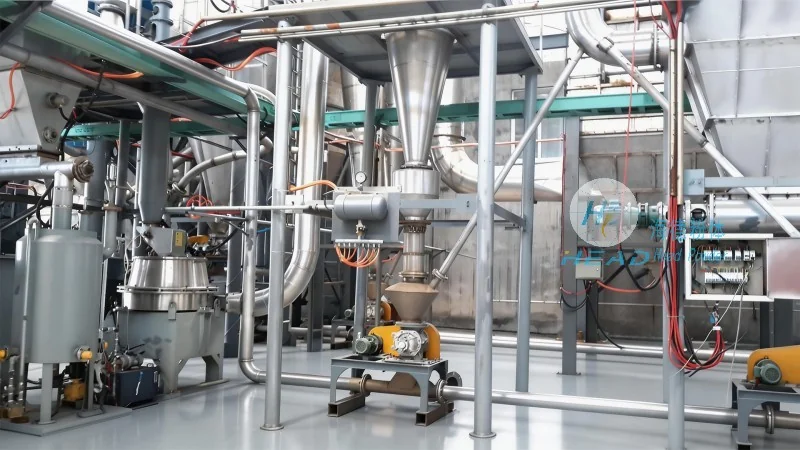
When implementing a pneumatic conveying system for chilli powder, several factors must be considered to ensure optimal performance. The particle size and density of the chilli powder are crucial, as they affect the air velocity required for transport. Coarser particles may require higher air speeds to prevent clogging, while finer particles might need lower speeds to avoid excessive pressure drop. Additionally, the moisture content of the powder should be monitored, as high moisture levels can lead to caking or blockages in the system.
The system's design should also account for the potential for dust generation, as chilli powder is a fine, powdery material that can create dust hazards. Proper dust collection and filtration systems are essential to maintain air quality and comply with safety regulations. HeadPowder's expertise in customizing conveying systems ensures that these considerations are addressed effectively, providing a solution that meets both operational and safety requirements.
Conclusion
Pneumatic conveying systems represent a sophisticated and efficient method for handling chilli powder, offering advantages in product integrity, flexibility, and cost-effectiveness. By understanding the working principle and key characteristics of such systems, food processing facilities can make informed decisions when selecting equipment for their powder handling needs. With its strong engineering capabilities, HeadPowder continues to provide tailored solutions that enhance operational efficiency and maintain the quality of chilli powder throughout the conveying process.




