

Coffee Material Pneumatic Conveying Systems: Exploring Their Function and Design Principles
Understanding the role of coffee material pneumatic conveying systems is essential for anyone involved in the coffee processing industry. These systems are engineered to efficiently transport coffee-related materials such as raw coffee beans, ground coffee, and other byproducts from one location to another within a processing facility. The technology behind these systems leverages the principles of pneumatic transport, where materials are moved through a pipeline using air or other gases, eliminating the need for mechanical components like belts or buckets.
What Are Coffee Material Pneumatic Conveying Systems?
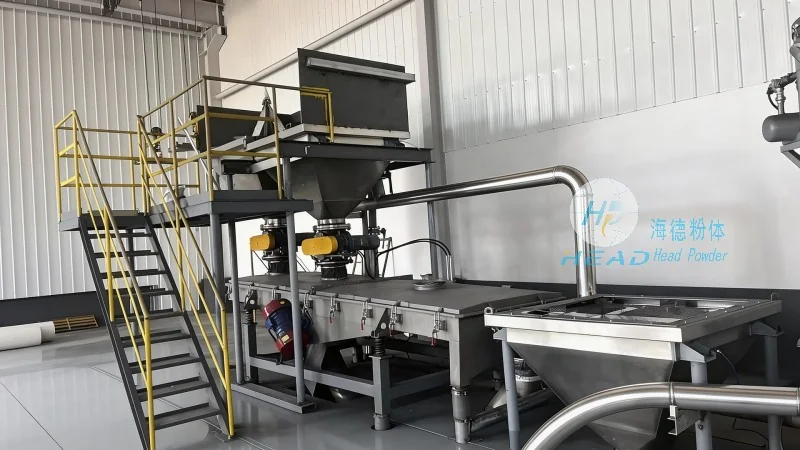
Coffee material pneumatic conveying systems are specialized equipment designed to handle the unique characteristics of coffee products. Unlike traditional bulk material handling methods, these systems are tailored to the delicate nature of coffee beans and powders, ensuring minimal product degradation and consistent quality. The primary function is to move coffee materials from storage silos, processing units, or packaging areas to the next stage of production or distribution. This includes tasks such as transferring raw coffee beans from storage to roasting equipment, transporting ground coffee from grinding machines to packaging lines, and even moving spent coffee grounds for disposal or recycling.
The Core Design Principles of Pneumatic Conveying Systems
The design of coffee material pneumatic conveying systems is built on several fundamental principles that ensure efficiency, reliability, and product integrity. The first principle is the selection of the appropriate conveying method, which can be categorized into two main types: dilute phase and dense phase. Dilute phase systems use low-pressure air to move materials in a suspended state, making them suitable for long-distance or high-volume transport of fine powders like ground coffee. Dense phase systems, on the other hand, use higher pressure to push materials in a slurry-like state, ideal for handling bulkier items such as whole coffee beans or larger particles. For coffee applications, both methods are utilized depending on the specific material and process requirements.
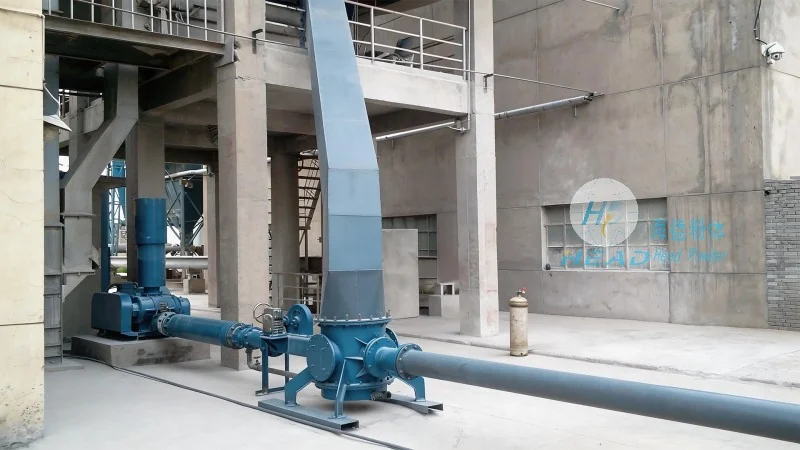
A critical design consideration is the air flow rate and pressure. The system must generate sufficient air velocity to keep the coffee material suspended and prevent clogging in the pipeline. This is achieved through the use of blowers or compressors that maintain a consistent pressure gradient along the conveying line. Additionally, the pipeline design, including the diameter and length, plays a crucial role in determining the system's performance. Properly sized pipelines minimize pressure losses and ensure smooth material flow, reducing energy consumption and wear on components.
Key Components and Their Roles in Coffee Material Conveying
Several key components make up a coffee material pneumatic conveying system, each contributing to its overall functionality. The main components include the material hopper or feeder, which holds the coffee product and controls the flow rate; the air supply unit, such as a blower or compressor, which provides the necessary pressure and volume of air; the conveying line, which transports the material; and the receiver or discharge unit, where the material is deposited. In coffee processing, additional components may be included, such as filters to prevent dust from escaping and cyclones to separate air from the coffee material. These components work in tandem to ensure that coffee materials are transported efficiently and without contamination.
Benefits of Using Pneumatic Conveying Systems for Coffee Processing
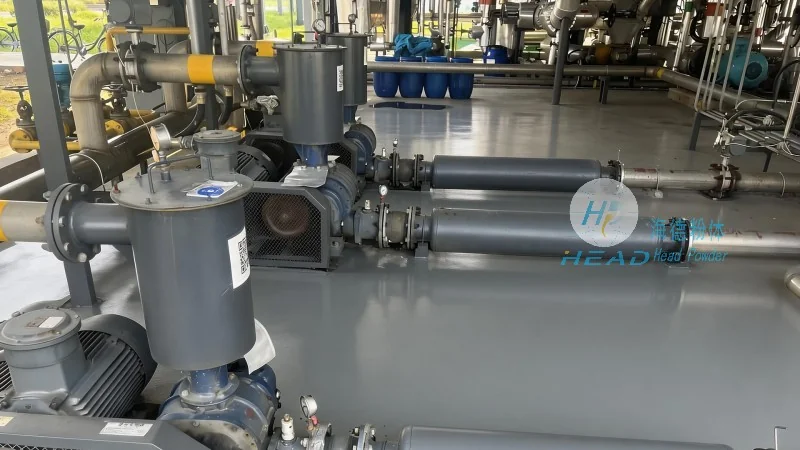
Implementing coffee material pneumatic conveying systems offers numerous benefits for coffee processing facilities. One of the most significant advantages is the reduction in labor costs and operational complexity. Unlike traditional methods that require manual handling or mechanical conveyors, pneumatic systems automate the material transport process, minimizing the need for human intervention and reducing the risk of product damage. Additionally, these systems enhance product quality by maintaining a consistent temperature and preventing exposure to contaminants. For coffee beans, this means preserving the flavor and aroma, while for ground coffee, it ensures uniform particle size and consistency. Another key benefit is the improved hygiene and safety in the processing environment. Pneumatic systems are enclosed, reducing dust and allergen exposure, and can be easily cleaned and sanitized, meeting regulatory standards for food processing.
Applications in Coffee Production and Processing
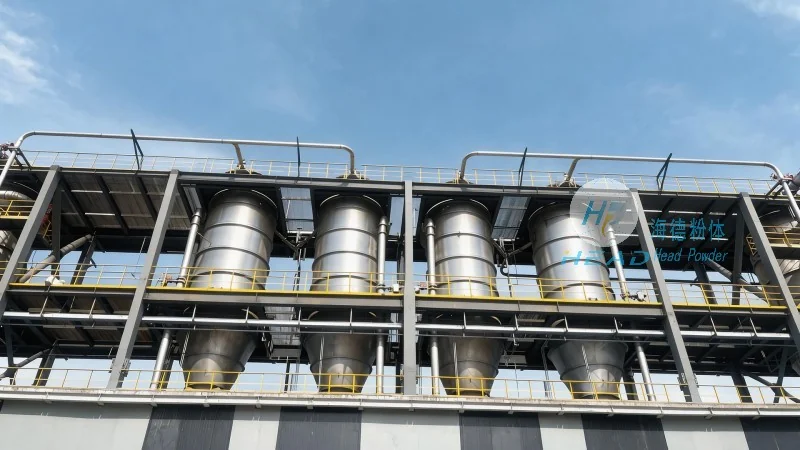
Coffee material pneumatic conveying systems are widely used across various stages of coffee production and processing. In the roasting stage, these systems efficiently transfer raw coffee beans from storage to the roasting machine, ensuring a continuous supply of beans without interruptions. During grinding, the system moves ground coffee from the grinder to the packaging line, maintaining a steady flow and preventing bottlenecks. For coffee manufacturers, the systems also facilitate the transport of byproducts such as spent coffee grounds to disposal or recycling facilities, optimizing the overall material handling process. Furthermore, in large-scale coffee processing plants, multiple pneumatic conveying lines may be integrated into a single system, allowing for the simultaneous transport of different coffee products or byproducts, enhancing operational efficiency.
Choosing the Right Pneumatic Conveying System for Coffee Applications
When selecting a coffee material pneumatic conveying system, several factors must be considered to ensure optimal performance and cost-effectiveness. The first consideration is the type of coffee material being handled, as different materials have varying properties that affect system design. For example, whole coffee beans require a dense phase system with higher pressure to prevent breakage, while ground coffee can be handled using a dilute phase system with lower pressure. The second factor is the distance and volume of material to be transported, as these determine the required air flow rate and pipeline size. Additionally, the facility layout and available space must be taken into account, as the system's footprint and installation requirements vary between different models. Finally, the budget and maintenance requirements should be evaluated, as high-quality systems may have higher upfront costs but lower long-term maintenance expenses.