

What is a Glass Fiber Material Pneumatic Conveying System? What are its Design Principles?
Glass fiber material pneumatic conveying systems represent a sophisticated and efficient method for transporting glass fiber powders and related materials. These systems are widely utilized in various industrial applications, including the manufacturing of composites, insulation products, and other glass fiber-based items. The core function of such systems is to move glass fiber materials from one location to another using a combination of air pressure and specialized equipment, ensuring a clean, dust-free, and efficient transfer process.
Understanding the Core Components and Functionality
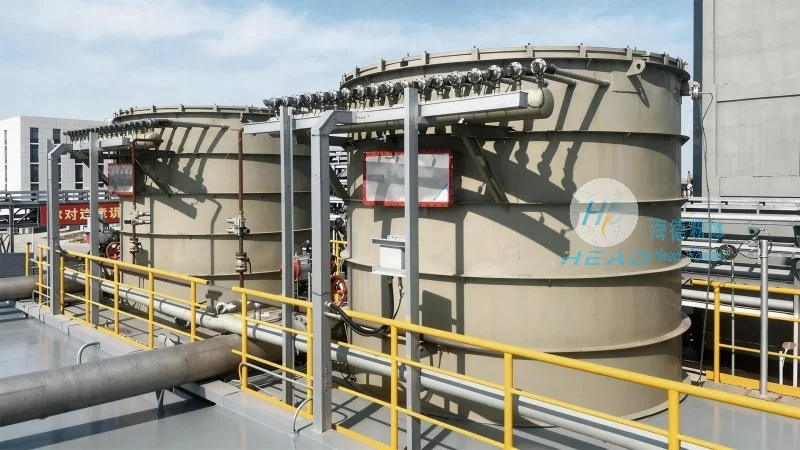
The fundamental components of a glass fiber material pneumatic conveying system typically include a material hopper, a conveying line (often equipped with a filter or separator), a vacuum or pressure source, and a receiving container. The material hopper is designed to store the glass fiber powder, allowing for controlled discharge into the conveying line. The conveying line, which may be made of stainless steel or other corrosion-resistant materials, is responsible for transporting the material through the system. A filter or separator is often integrated to capture any fine particles and prevent them from being released into the environment, ensuring compliance with environmental regulations and maintaining product quality.
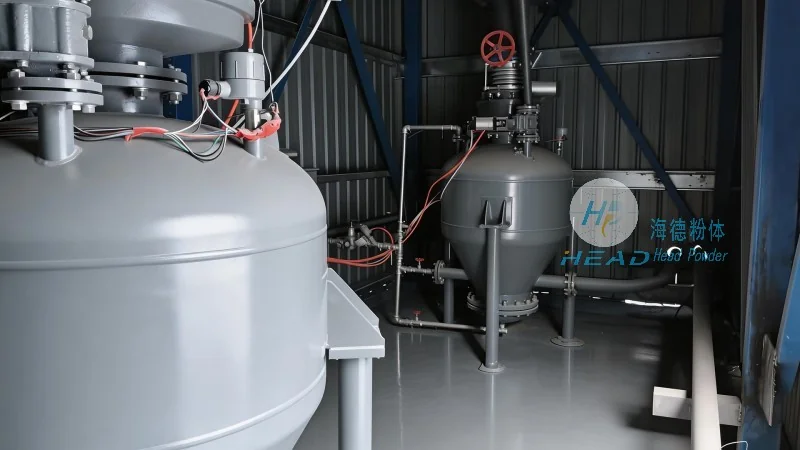
The vacuum or pressure source provides the necessary force to move the glass fiber material through the system. In a pressure system, compressed air is used to push the material forward, while in a vacuum system, a vacuum is created to pull the material. The choice between pressure and vacuum depends on factors such as the distance to be covered, the material's characteristics, and the overall system design. The receiving container collects the glass fiber material at the end of the conveying line, completing the transfer process.
Design Principles and Engineering Considerations
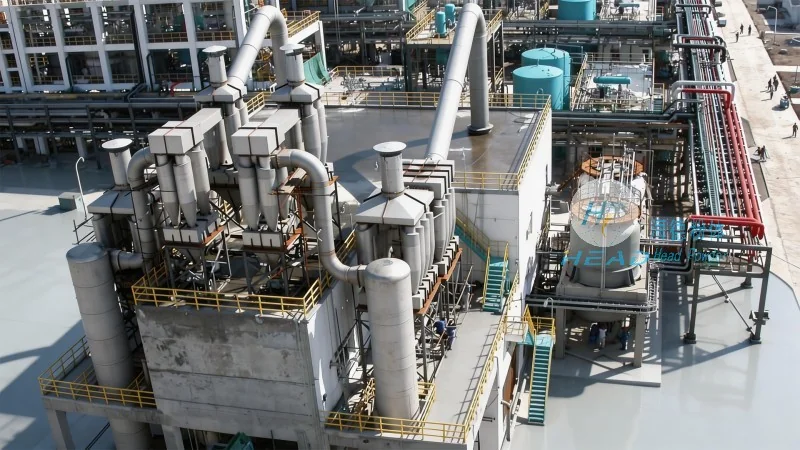
The design of a glass fiber material pneumatic conveying system involves several critical principles and engineering considerations to ensure optimal performance and reliability. One of the primary design principles is the selection of appropriate equipment materials, as glass fiber powders can be abrasive and may cause corrosion over time. Stainless steel, aluminum, or other corrosion-resistant materials are commonly used for components that come into direct contact with the material to prevent degradation and maintain system integrity.
Another key consideration is the system's capacity and flow rate. Engineers must calculate the required air volume and pressure to achieve the desired material flow rate, taking into account factors such as the material's density, particle size, and moisture content. Proper sizing of the conveying line diameter and the air velocity is crucial to prevent blockages and ensure smooth material transport. Additionally, the system's layout and the placement of components must be carefully planned to minimize pressure losses and optimize energy efficiency.
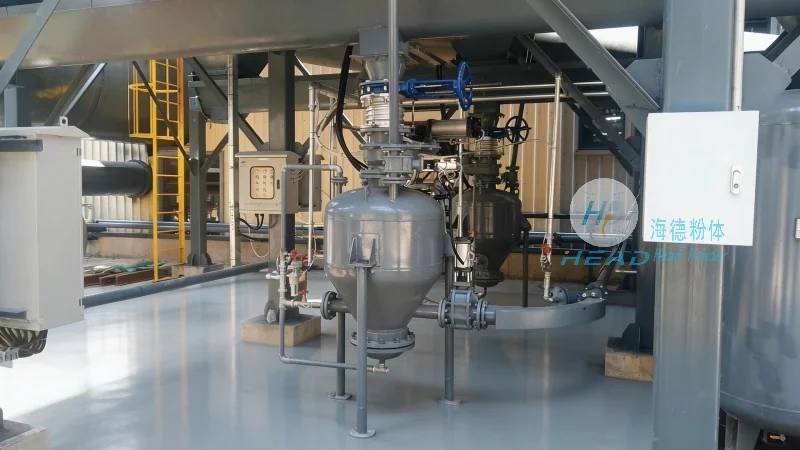
Seal design is also a critical aspect of the system's design. Proper sealing of the material hopper, conveying line, and other components is essential to prevent air leakage and maintain the system's pressure or vacuum levels. Inadequate sealing can lead to reduced efficiency, increased energy consumption, and potential safety hazards. Engineers often use specialized sealing mechanisms, such as rotary seals or magnetic seals, to ensure a tight and reliable seal.
Application Scenarios and Industry Relevance
Glass fiber material pneumatic conveying systems find extensive applications in various industries, particularly in the manufacturing of glass fiber composites, insulation materials, and other high-performance products. In the composite industry, these systems are used to transport glass fiber powders to mixing and molding equipment, ensuring a consistent and uniform material feed. In the insulation industry, they are employed to move glass fiber wool or other forms of glass fiber insulation materials from storage to processing lines, facilitating efficient production of insulation products.
The automotive and aerospace industries also benefit from these systems, as they are used to transport glass fiber materials for the production of lightweight and high-strength components. The ability to handle fine glass fiber powders with minimal dust generation makes these systems ideal for applications where product purity and quality are paramount. Additionally, the systems are used in the production of glass fiber-reinforced plastics (FRPs), where precise material control is essential for achieving desired mechanical properties.
About Shandong HeadPowder Engineering Co., Ltd.
Shandong HeadPowder Engineering Co., Ltd., commonly known as HeadPowder, is a leading manufacturer and supplier of advanced material handling solutions, including glass fiber material pneumatic conveying systems. With a strong focus on innovation and engineering excellence, HeadPowder has established itself as a trusted partner in the industry, providing high-quality equipment and comprehensive technical support to clients worldwide. The company's headquarters is located in Shandong, China, and it serves a diverse range of industrial sectors, including manufacturing, construction, and energy.