

What is a wheat starch material pneumatic conveying line? What are its design principles?
Wheat starch material pneumatic conveying lines are specialized systems designed to transport wheat starch and related powders through a network of pipes using air or gas as the conveying medium. These systems are integral to modern starch processing facilities, offering an efficient, dust-free method to move bulk materials from one location to another. Unlike traditional mechanical conveyors, pneumatic systems eliminate the need for moving parts in the main conveying path, reducing maintenance and increasing operational reliability. The primary goal of such lines is to ensure consistent, low-loss transport of wheat starch, which is crucial for maintaining product quality and process efficiency in starch production.
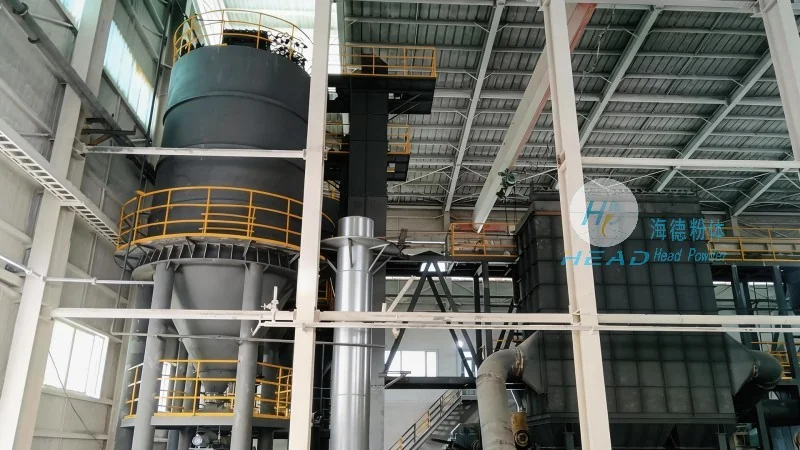
HeadPowder's Expertise in Pneumatic Conveying Systems
Shandong HeadPowder Engineering Co., Ltd., a leading manufacturer based in Shandong, China, specializes in the design, manufacturing, and installation of pneumatic conveying systems tailored for the starch industry. With years of experience in handling diverse bulk materials, HeadPowder has developed a deep understanding of the unique challenges associated with wheat starch, such as its fine particle size, hygroscopic nature, and susceptibility to caking. The company's team of engineers employs advanced engineering principles and cutting-edge technology to create customized solutions that meet the specific requirements of each client. By leveraging their expertise, HeadPowder ensures that every pneumatic conveying line is optimized for performance, durability, and cost-effectiveness.
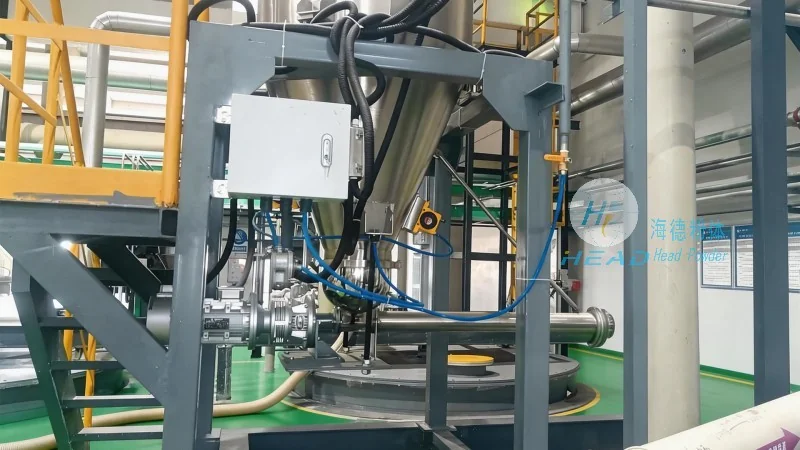
Core Design Principles of Pneumatic Conveying Lines
The design of a wheat starch material pneumatic conveying line is based on fundamental principles of fluid dynamics and material handling. The system typically operates under either positive pressure (pressure conveying) or negative pressure (vacuum conveying), depending on the application and distance of material transport. Positive pressure systems use a blower or compressor to force air and material through the pipeline, while vacuum systems create a negative pressure zone to draw material into the line. The choice between these two modes depends on factors like the distance to be covered, the height of the lift, and the volume of material to be conveyed. Engineers at HeadPowder carefully calculate the required air velocity, pressure, and flow rate to ensure that the wheat starch particles are adequately suspended and transported without degradation or blockage. This involves considering the particle size distribution, density, and moisture content of the starch, as these factors directly impact the system's efficiency and performance.
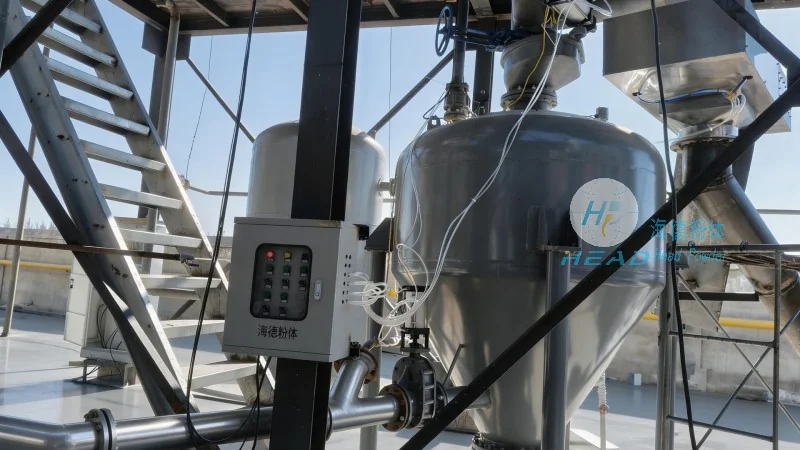
Key Components and Their Functions
A pneumatic conveying line consists of several critical components, each playing a vital role in the overall operation. The first component is the material feeder, which is responsible for introducing the wheat starch into the conveying line. Common types include screw feeders and star valves, which provide a controlled and consistent flow of material. The feeder is connected to a pipeline system, which can be made of stainless steel, carbon steel, or plastic, depending on the material's corrosiveness and the operating conditions. The pipeline network includes bends, elbows, and straight sections, all designed to minimize pressure drop and ensure smooth material flow. At the receiving end, a separator or dust collector is used to separate the wheat starch from the air stream, preventing dust emissions and allowing the air to be recirculated or discharged. The system also includes a filter or cyclone separator to capture fine particles and maintain air quality. The air source, typically a rotary lobe blower or a centrifugal fan, provides the necessary pressure and volume of air to drive the conveying process. Each component is carefully selected and integrated to create a cohesive system that operates efficiently and reliably.
Advantages of Wheat Starch Material Pneumatic Conveying Lines
Compared to traditional mechanical conveyors, pneumatic conveying lines offer several distinct advantages in the wheat starch industry. One of the most significant benefits is the elimination of dust and airborne particles, which is critical for maintaining a clean and safe working environment. This is particularly important in starch processing, where fine powders can pose health risks and cause product contamination. Additionally, pneumatic systems are highly efficient in terms of energy consumption, as they can transport large volumes of material with relatively low power input. The flexibility of pneumatic lines allows for easy reconfiguration or expansion, making them suitable for facilities that may need to adapt to changing production requirements. Another advantage is the ability to handle a wide range of particle sizes and moisture contents without clogging or degradation. The enclosed system also prevents material loss and cross-contamination, ensuring that the wheat starch remains in its original state throughout the conveying process. These benefits make pneumatic conveying lines an ideal choice for modern starch processing plants seeking to enhance productivity and maintain product quality.
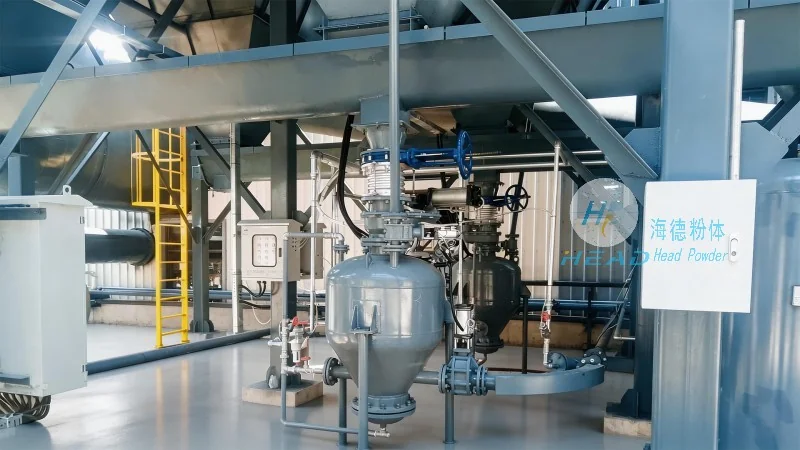
Application Scenarios in the Wheat Starch Industry
Wheat starch material pneumatic conveying lines are widely used in various stages of the starch production process. In the initial stages, they are employed to transport raw wheat or wheat flour from storage silos to the grinding and milling equipment. This ensures a continuous and consistent supply of raw material to the processing line. During the starch extraction process, pneumatic systems are used to move the extracted starch slurry from the processing tanks to the drying and screening units. This step is crucial for separating the starch from other components like protein and fiber. In the final stages, the dried and screened wheat starch is conveyed to packaging or storage areas, where it is prepared for distribution. The lines can also be used in quality control processes, such as transporting samples for testing and analysis. By integrating pneumatic conveying systems into these stages, starch manufacturers can streamline their operations, reduce downtime, and improve overall process efficiency. The adaptability of these systems allows them to be customized for specific production lines, ensuring that each application is optimized for performance and reliability.