Calcite powder, a common calcium carbonate mineral, is widely used in various industries such as construction, plastics, and paper manufacturing. The efficient handling and transportation of calcite powder are crucial for industrial processes. Pneumatic conveying, a method that uses air to transport solid particles, offers a solution for moving calcite powder from one location to another. This article explores the working principle and key characteristics of calcite powder pneumatic conveying, providing insights into its application and benefits.
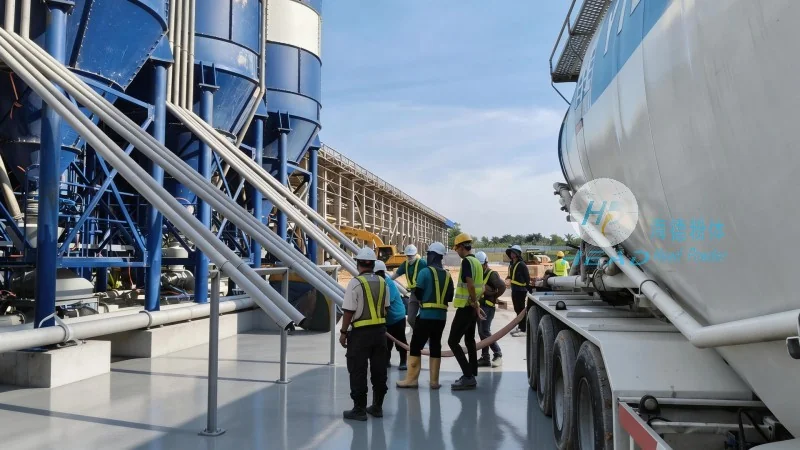
Working Principle of Calcite Powder Pneumatic Conveying
The core of calcite powder pneumatic conveying lies in the use of air as the conveying medium. The process typically involves creating a pressure or vacuum differential to move the powder. There are two main types of pneumatic conveying systems: dilute-phase and dense-phase. In dilute-phase systems, the powder is suspended in air and transported at high velocities, often used for short distances or low particle loads. Dense-phase systems, on the other hand, transport the powder in a more concentrated form, with lower air velocities, suitable for longer distances or higher particle concentrations. The working principle can be broken down into several key steps: first, the calcite powder is fed into the conveying line; second, air is introduced to create the necessary flow; third, the powder is carried through the pipeline; and fourth, the powder is discharged at the destination. The system may include components like a feeder, a blower or vacuum pump, pipelines, and a separator to separate the powder from the air at the end of the line.
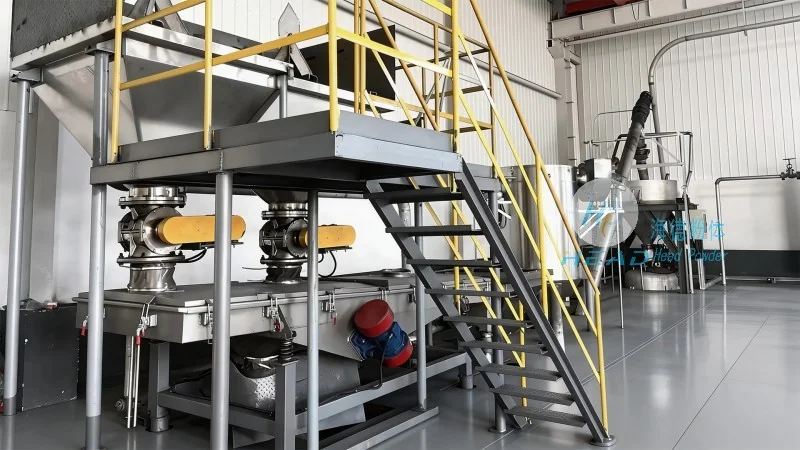
Key Characteristics of Calcite Powder Pneumatic Conveying
Calcite powder pneumatic conveying exhibits several notable characteristics that make it an attractive option for industrial applications. One of the primary advantages is its ability to handle fine powders without the need for mechanical components that might cause clogging or wear. The system is also relatively compact and can be integrated into existing facilities, reducing installation costs and space requirements. Another key characteristic is its flexibility in terms of conveying distance and particle size. It can effectively transport calcite powder over varying distances, from short indoor runs to long-distance outdoor pipelines, and accommodate different particle sizes, including fine powders that are difficult to handle with traditional methods. Additionally, pneumatic conveying systems are generally more hygienic and can be designed to meet specific industry standards, such as those for food or pharmaceutical applications. However, it's important to note that the system's performance can be affected by factors like particle size distribution, moisture content, and air pressure, which need to be carefully managed to ensure efficient operation.
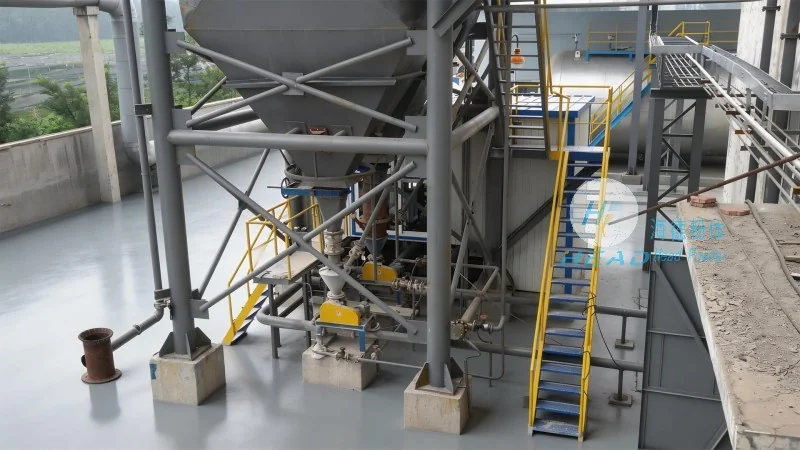
Application and Benefits in Industrial Settings
Calcite powder pneumatic conveying is widely used in industries where the handling of fine powders is essential. In the construction industry, it is used to transport calcite powder for cement production and other building materials. In the plastics industry, it is employed to feed calcite powder into extrusion processes, improving the quality and consistency of the final products. The paper industry also utilizes pneumatic conveying for calcite powder, which is used as a filler or coating material. The benefits of this method include improved process efficiency, reduced material loss, and enhanced safety compared to manual handling or other bulk material handling methods. Furthermore, the system can be designed to minimize dust emissions, contributing to better workplace safety and environmental compliance.
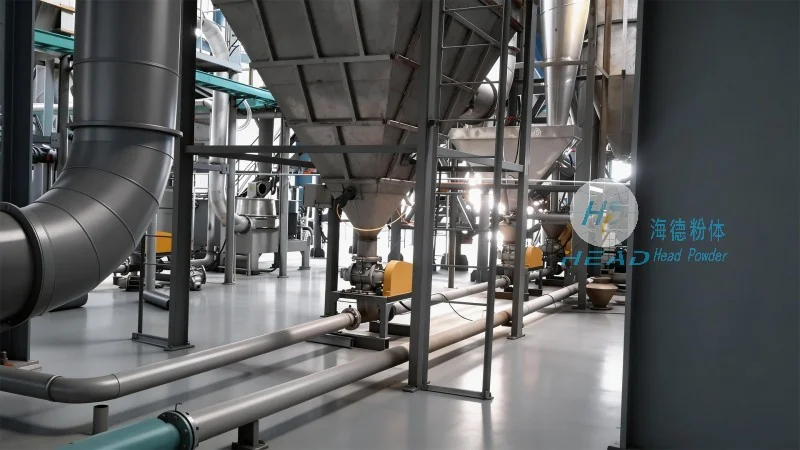
About Shandong HeadPowder Engineering Co., Ltd.
Shandong HeadPowder Engineering Co., Ltd., commonly known as headpowder, is a leading provider of pneumatic conveying solutions for various industrial applications. With a focus on innovation and quality, the company specializes in designing and manufacturing systems tailored to the specific needs of its clients. HeadPowder's expertise lies in understanding the unique challenges of handling fine powders like calcite and developing efficient conveying solutions. The company's facilities are located in Shandong, China, where it leverages advanced technology and experienced engineering teams to deliver reliable and effective pneumatic conveying systems. By combining technical expertise with customer-centric approaches, HeadPowder aims to support industries in optimizing their material handling processes and improving overall operational efficiency.




